We are reader-supported. When you buy through links on our site, we may earn affiliate commission.
Across rivers turned toxic, forests cleared at industrial speed and oceans strained by pollution, a growing legal and moral question is taking shape. Should international law treat large-scale environmental destruction as a crime comparable to genocide or war crimes? This is the core idea behind Ecocide, a concept gaining momentum in international law and environmental policy circles.
Ecocide refers to severe, widespread or long-term damage to the environment caused by human activity. While pollution laws and environmental regulations exist in most countries, ecocide is different in scope and intent. It focuses on the most extreme forms of destruction, those that threaten ecosystems and future generations on a large scale.
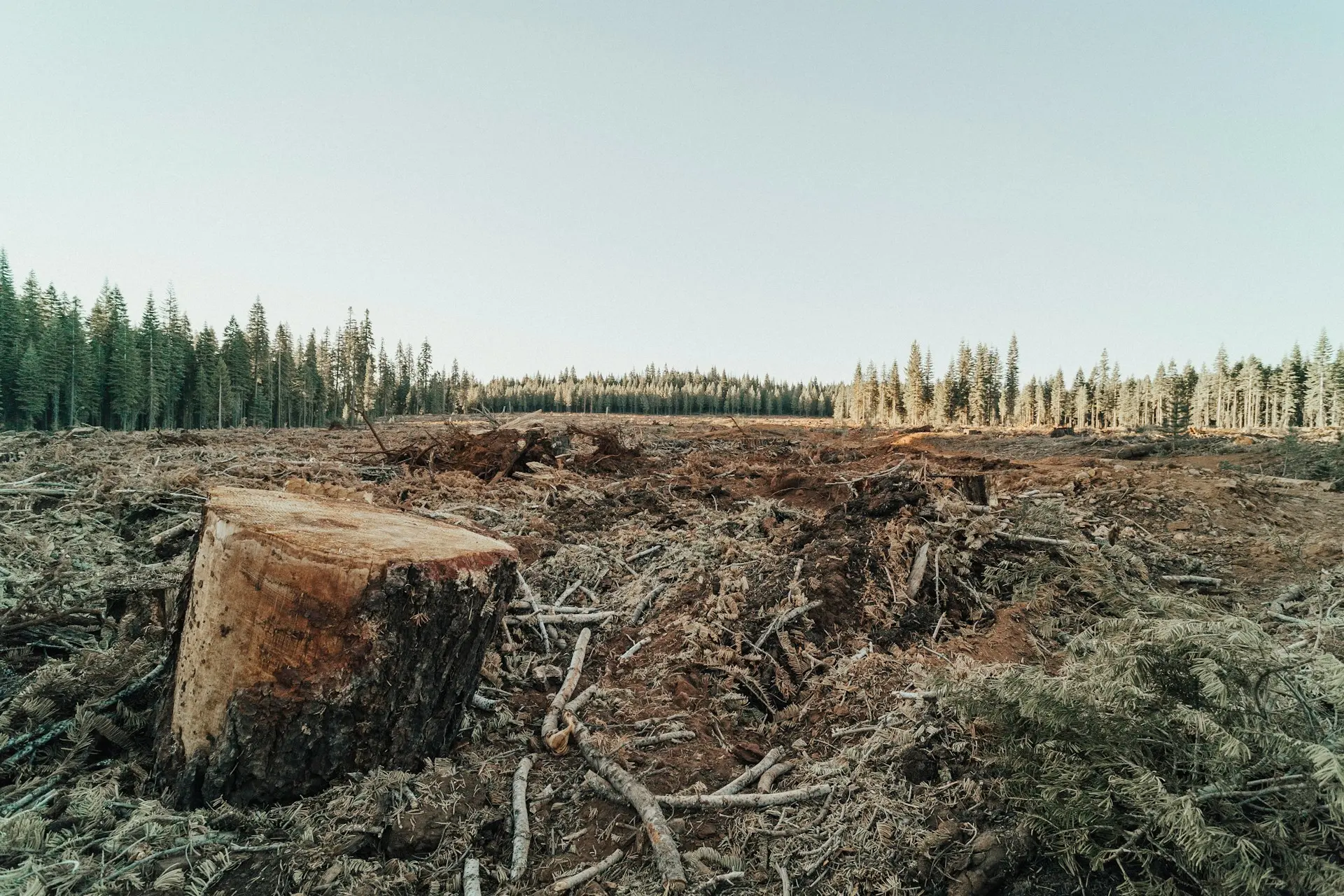
The major theme is intent or recklessness at scale. Ecocide is not about everyday pollution violations or minor environmental harm. Instead, it targets actions such as mass deforestation, catastrophic oil spills or industrial activities that knowingly push ecosystems toward collapse.
The movement to criminalize ecocide has accelerated in recent years, driven by climate change, increasing awareness of environmental tipping points and biodiversity loss. The modern movement to criminalize ecocide gained momentum in the late 20th century but has accelerated significantly in recent years.
It aims to amend the Rome Statute to recognize ecocide alongside existing international crimes like genocide and crimes against humanity. If this is successful, courts could hold individuals, and not just corporations, criminally responsible for decisions that lead to severe environmental destruction. This would mark a shift in accountability, moving beyond fines or regulatory penalties toward personal legal liability for top decision-makers.
The concept of ecocide is not new. It first gained attention during the Vietnam War, when extensive use of herbicides such as Agent Orange caused widespread ecological devastation. At the time, legal scholars and activists began to question whether international law should consider deliberate environmental destruction during conflict a crime.
In the 1970s, legal scholars and activists proposed including ecocide in international criminal frameworks, but the momentum faded as countries instead developed environmental law primarily at the national and regulatory level. For decades, most legal systems treated environmental protection as a matter of compliance rather than criminal accountability.
However, the scale of environmental degradation has changed the context. Climate change, mass extinction and large-scale ecosystem collapse have pushed the issue back into the global spotlight. What was once considered theoretical is now being discussed as a practical legal response to large-scale environmental risk.
While regulations exist, enforcement is often inconsistent, penalties are relatively low and cross-border environmental harm is difficult to prosecute. For example, large-scale fossil fuel extraction, deforestation for agricultural expansion and industrial pollution can continue under permits or weak oversight, even when long-term ecological consequences are severe.
As such, ecocide law would aim to change decision-making by introducing the possibility of criminal prosecution. It encourages governments and corporations to consider environmental harm at the highest levels of risk management.
Ecocide legislation could transform corporate accountability. Complex corporate structures, and not a single identifiable person, often make the most environmentally damaging decisions. Boards of directors, executives, legal teams and shareholders each play a role, often creating a system where responsibility becomes fragmented and difficult to assign.
This vagueness of accountability is one of the central challenges in environmental enforcement today. Even when serious ecological harm occurs, a corporation typically absorbs the legal consequences. This shields the individuals who authorized or benefited from the decision. As a result, companies can treat penalties as operational costs rather than true deterrents. As such, ecocide legislation seeks to shift this dynamic by focusing on individual liability at the highest levels of decision-making.
Under an ecocide framework, senior executives and directors could potentially face criminal liability if they knowingly approve, ignore or fail to prevent activities that result in severe environmental destruction. This represents a major departure from conventional environmental regulation, which generally relies on fines, compliance orders or civil penalties.
In practical terms, this could influence how boardrooms operate. Decisions that previously might have been justified through cost-benefit analyses or regulatory compliance could require a deeper assessment of long-term ecological risk. Legal exposure would no longer be abstract or distant, as it could directly affect personal liberty, reputation and professional standing.
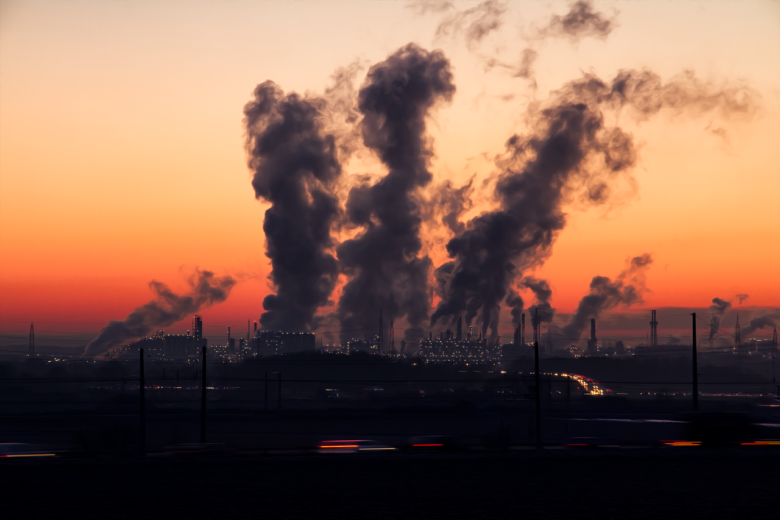
Industries such as mining, oil and gas, industrial agriculture and large-scale infrastructure development can lead to deforestation, habitat destruction, pollution and greenhouse gas emissions.
For example, extractive industries often operate in ecologically sensitive regions where biodiversity loss or water contamination can have long-term consequences. Under current legal frameworks, regulatory agencies may manage these impacts through permits or environmental impact assessments. However, an ecocide standard could change the threshold for acceptable risk, especially if a court deems the harm foreseeable and severe.
This does not necessarily imply that such industries would cease to exist. Rather, it could accelerate structural changes already underway, including transitions toward cleaner energy sources, stricter supply chain oversight and more conservative approaches to resource extraction.
Ecocide legislation will not criminalize ordinary economic activity or responsible resource use. The aim is to distinguish between legitimate operations and actions that involve reckless or knowingly destructive environmental behavior. In other words, the focus is on intent, knowledge and scale of harm. Projects that proceed with appropriate safeguards, credible environmental assessments and mitigation strategies would not automatically fall under ecocide provisions. Instead, the threshold to reach ecocide is intended to remain high, targeting only the most severe cases of environmental damage.
Ecocide legislation transforms environmental governance from reactive regulation to preventive accountability. When the law holds individuals in positions of power directly responsible, environmental harm is no longer just a problem for someone to clean up or compensate for after the fact. Instead, it becomes a foreseeable consequence that decision-makers have a legal duty to avoid. In fact, ecocide is already a crime in 12 countries around the world.
While the path to international recognition of ecocide is likely to be gradual. The conversation itself is already influencing governments, businesses and legal experts around the world. Companies are placing greater emphasis on sustainability, investors are considering environmental risks and policymakers are exploring stronger protections for natural ecosystems. This shift treats severe environmental harm as a matter of global responsibility.
Whether lawmakers add ecocide to international criminal law or the concept continues to evolve through national legislation, the movement has already changed how many people think about humanity’s relationship with the natural world. It encourages decision-makers to weigh not only economic benefits but also the long-term health of the ecosystems that support life. As awareness continues to grow, so does the opportunity to build legal and economic systems that better protect the planet while supporting sustainable progress.