We are reader-supported. When you buy through links on our site, we may earn affiliate commission.
You may have heard about the Great Pacific Garbage Patch — a pile of marine debris floating in the ocean the size of an actual island. It is one of the most go-to metaphors for the attitude humanity has developed about trash. What was once complacency must transform into a more eco-conscious sensibility. Otherwise, aquatic habitats of all shapes and sizes will experience hardship and biodiversity losses. If everyone knows the types of marine debris most common in water bodies, it can help prevent further accumulation. Then, eventually, humanity will be able to keep pace with cleaning up what is there.
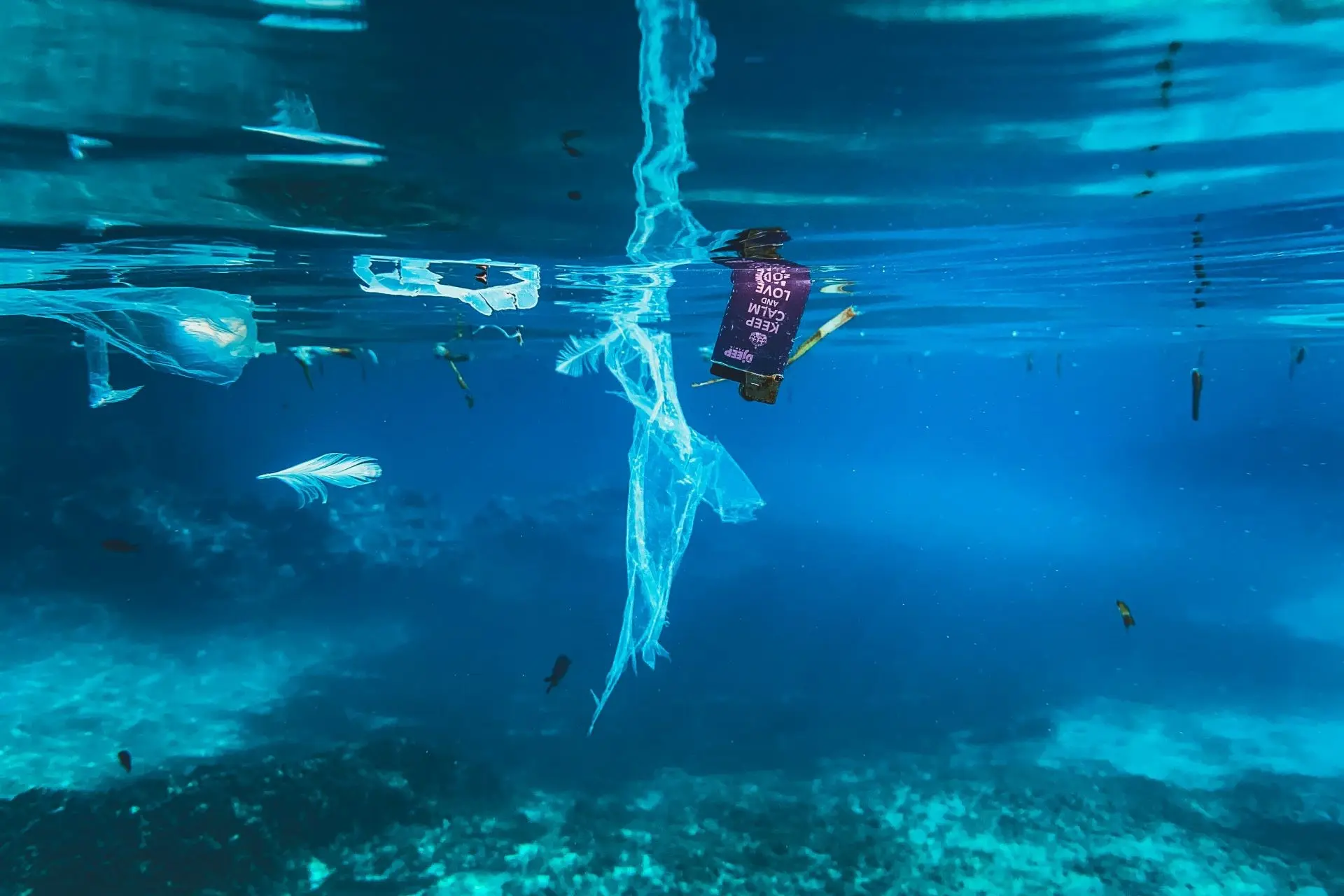
Marine debris is any solid material that is floating in aquatic evnrionments that is not natural to that habitat. Therefore, things like seaweed and seashells are not categorized this way. This kind of waste is mostly human-generated, manufactured, and processed. Though most people’s minds go to the Great Pacific Garbage Patch, marine debris can be in lakes, ponds, rivers, streams, and any other type of water body.
This is a waste generation and disposal problem that needs to end, because it drastically alers the compostiion of these habitats. First, large and small pieces of trash end up being consumed by fish. Not only does this hurt them, but if fishers catch them and use them for food, the broken-down waste can get into people through a process called trophic transfer. This ruins health in more ways than one.
Marine debris can float on the surface or sink to the floor. Both are not ideal, as they can block sun from reaching aquatic animals and plants that need it. This can disrupt their biological processes, making them unable to access essential nutrients. If it hits the bottom, then it can impede creatures’ movement or intrude on their habitats and hiding places.
As marine garbage breaks down, it becomes inperceitble to the human eye, causing the ocean to be full of things, including but not limited to:
While this may not be marine debris, especially if it is not solid, the trash can produce problems for many years to come when it degrades. It is possible to save all ecosystems within the ocean if everyone collaborates to fight this massive trash problem.
Marine debris comes in many forms. Anything that is lightweight enough to be caught by the wind as litter or a pile of random items from landfill can get into waterways. This is why plastic is one of the most prevalent. This can include items like:
Cigarette butts are another frequently overlooked yet prominent type of marine debris. While it eventually dissolves into tiny bits, it is one of the most harmful pollutants.
Fishing gear is also all over the place. This is a product of hobby fishing and the industry at large. Fisheries and individuals often leave or lose fishing nets, traps, lines, pots, and more. This is sometimes called ghost fishing gear, as it can still ensare and harm fish without there being a person operating the device.
Additionally, anything casually thrown off of a shipping vessel also inevitably becomes marine debris. This can heavily diversify the types of waste that go into the ocean, especially when you consider the variety of activities and events occurring on massive tourism-based cruise liners.
Everyone can do their part to understand the marine debris problem, even if they are completely landlocked and miles away from the nearest water source. Trash always finds a way to travel into places it shouldn’t, so consider how everything you throw away could one day makes its way into the water. These steps can help everyone be more proactive.
However, the best action anyone can take right now is to learn and share with your loved ones and community. The oceans, lakes, and everywhere in-between stands a better chance at surviving and staying clean if people just understand and become aware of the severity of the problem.
Many people would do more to defend the planet if they saw the impact of it firsthand. Some people have limited resources and accessibility to this information, so it is everyone’s job to work together and advocate for aquatic habitats and wildlife.
It is difficult to conceptualize how much trash humans have thrown into waterways because people do not frequently interact with them — they are out of sight and out of mind. However, that makes action against marine debris proliferation more important. The problem has exacerbated beyond what most people can comprehend, and if the planet continues at this pace, then it will be impossible to rectify. Collaboration, with actions big and small, will create the crystal-blue waters everyone dreams about.