We are reader-supported. When you buy through links on our site, we may earn affiliate commission.
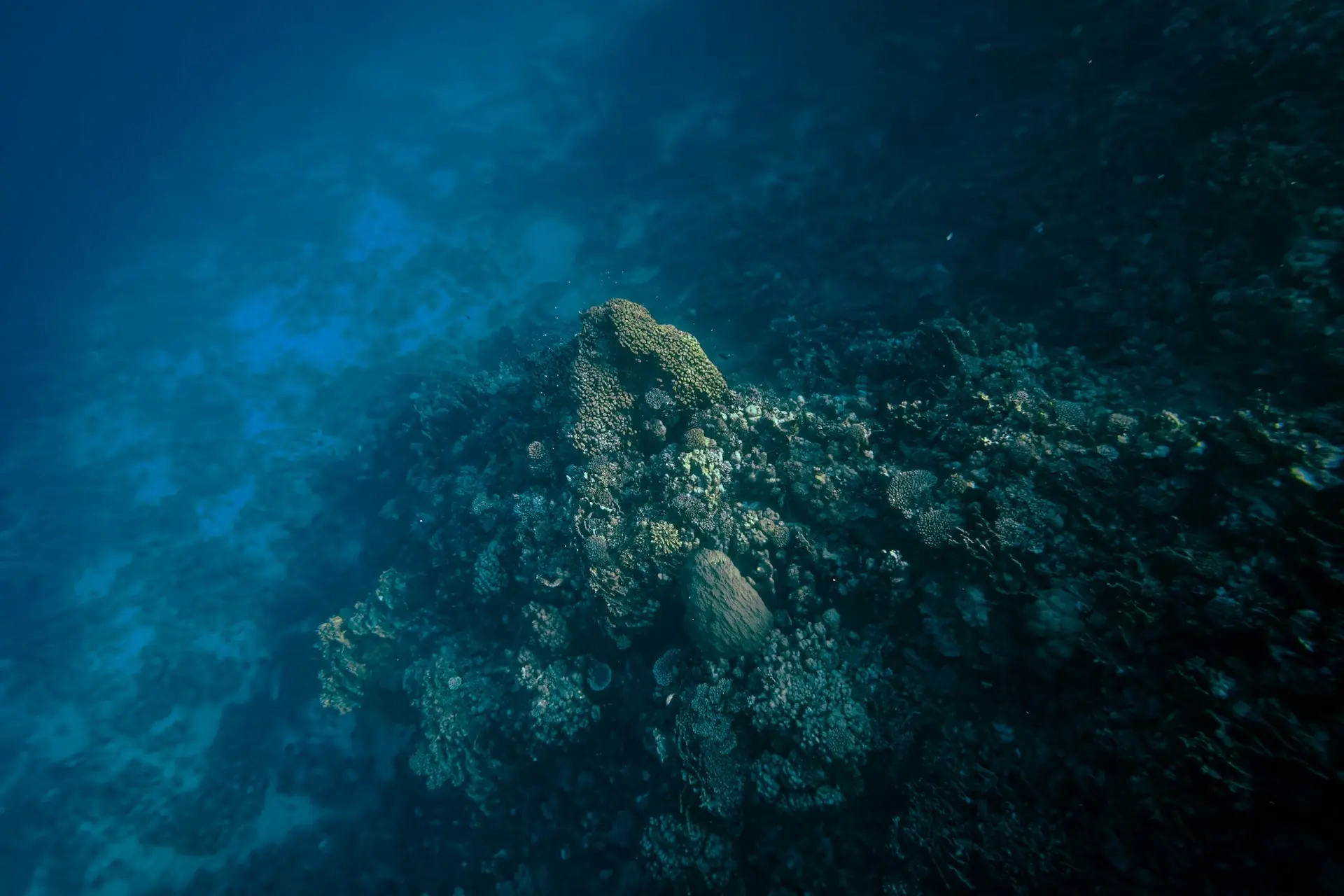
The Earth feels permanent and unchanging. Yet far below the ocean’s surface, a powerful geological force is constantly reshaping the planet. Seafloor spreading has quietly transformed the ocean floor into new terrain, pushing continents apart millimeter by millimeter.
This largely invisible process has sculpted the land masses as they exist today. It influences global climate patterns over millions of years and sustains some of the planet’s most extraordinary ecosystems in the lightless depths of the sea.
New oceanic crust forms when magma pushes up through mid-ocean ridges and erupts onto the seafloor. The molten material cools rapidly in contact with seawater, solidifying into fresh rock. As more magma rises from below, it forces the older crust to migrate away from the ridge in both directions.
This is how Earth’s surface renews itself. Along faults and fracture zones, the new crust eventually becomes the bedrock of ocean basins.
The primary location for seafloor spreading is the mid-ocean ridge system — a chain of underwater mountains encircling the globe. This massive geological feature spanning 40,390 miles across the ocean floor makes it the longest mountain chain on the planet. The ridge system winds through every major ocean basin, creating new crust at divergent plate boundaries.
Not all spreading centers operate at the same rate. Slow-spreading regions like the Mid-Atlantic Ridge form new crust at a pace of 2-5 centimeters (cm) per year. Fast-spreading ridges such as the East Pacific Rise generate new ocean floor at rates of 6-16 cm each year. The topography and characteristics of the developing crust depend on these varying speeds.
Several forces drive seafloor spreading plate tectonics. Mantle convection creates the primary driving mechanism as heated rock deep within Earth rises toward the surface. This upwelling material reaches the base of the crust and pushes outward in both directions.
Slab pull provides additional force as older, denser oceanic crust sinks into the mantle at subduction zones. The downward movement helps draw the oceanic plates away from spreading centers. Together, these forces maintain the cycle of crust creation and destruction across hundreds of millions of years.
The rate at which new ocean floor forms affects Earth’s climate over geological timescales. Spreading centers release carbon dioxide and other gases through volcanic outgassing. When spreading rates increase, more volcanic activity occurs, and more carbon enters the global system.
Research shows that in the Cenozoic era, slower seafloor spreading reduced tectonically driven outgassing and contributed to significant climate shifts. Volcanic arcs eventually surpassed mid-ocean ridges as the dominant carbon source 20 million years ago, altering the balance of carbon cycling and contributing to the long-term cooling trend in modern climate patterns.
Beyond its geological and climatic impacts, seafloor spreading enables the conditions for unusual life forms. It generates dark environments in which organisms use chemical energy rather than sunlight.
Hydrothermal vents form where seawater seeps into cracks in newly formed oceanic crust near spreading centers. The water heats to extreme temperatures as it contacts magma chambers below, then shoots back into the ocean carrying dissolved minerals. These superheated plumes can support oases of life on the deep ocean floor.
Specialized marine animals like tubeworms, clams, and mussels host bacteria in their tissues that produce energy through chemosynthesis. Unlike photosynthesis, this process uses chemicals like methane or hydrogen sulfide to produce organic compounds that feed the host animal. These ecosystems exist entirely independent of sunlight, deriving all their energy from Earth’s internal heat.
The formation of fresh oceanic crust brings valuable mineral resources. Hydrothermal vent systems deposit metals like copper, zinc, gold, and rare earth elements as superheated fluids cool and precipitate minerals onto the seafloor. These deposits have attracted interest from mining companies seeking alternatives to land-based sources.
More than 50% of the ocean falls under the jurisdiction of the International Seabed Authority — an intergovernmental regulatory body. The entity is currently assessing the potential environmental risks of deep-sea mining as nations and industries debate responsible extraction.
Despite its importance, much of the seafloor remains unexplored. Initiatives like the Seabed 2030 Project aim to create comprehensive maps of the entire ocean floor by the end of this decade. Current technology has mapped just over 23% of the seafloor in detail.
The effort to chart newly formed ocean floor faces technical challenges such as water depth, pressure, and the remote nature of mid-ocean ridges, which make surveying difficult and expensive. However, detailed maps are essential for understanding plate tectonics, predicting submarine earthquakes and managing ocean resources sustainably.
The following questions address common curiosities about how seafloor spreading works and what it means for the planet.
Seafloor spreading unfolds too slowly for humans to feel directly in their daily lives. Yet it is a primary cause of submarine earthquakes along mid-ocean ridges. These seismic events can generate tsunamis that affect coastal communities. Over millions of years, seafloor spreading also shapes ocean basins, influencing ocean circulation patterns that, in turn, affect regional climates.
Geophysicist Harry H. Hess proposed his theory in the 1960s based on observations of the ocean floor collected during World War II. Hess suggested that new oceanic crust forms at mid-ocean ridges and spreads outward, providing the missing mechanism from earlier continental drift theories. His work became a cornerstone of plate tectonics theory.
This represents a common misconception about how seafloor spreading works. The Earth’s size remains constant because seafloor spreading is balanced by subduction. At deep-sea trenches, old oceanic crust descends into the mantle, where it melts and is recycled. The rate at which new crust forms roughly equals the rate of consumption, meaning the planet does not grow larger from this process.
Seafloor spreading continues to shape the world. This fundamental geological mechanism built the ocean basins that cover most of the planet’s surface, drives the carbon cycle over millions of years, and creates unique habitats for life in the deep sea. Understanding these dynamics remains essential as humanity considers how to manage ocean resources and predict geological hazards.