Everyone wants to be more eco-friendly this year. It can start with using a reusable water bottle or committing to driving waste to the recycling center once a week. It doesn’t matter what it is, because every small action matters. This includes any efforts to try water conservation at home. Water scarcity is a global problem — and it may be even an issue in your community. This makes every drop worth salvaging, so these tips are real things you can do today to preserve your water.
5 Beginner-Level, Well-Known Strategies
These tactics are easy things you can start doing right now. They do not require any additional knowledge about plumbing, the climate, or anything. Everyone should be practicing these things to perform better water conservation at home, and they build momentum toward even more complex behavioral changes later. Some action is better than none, because the planet needs as much as you can do.
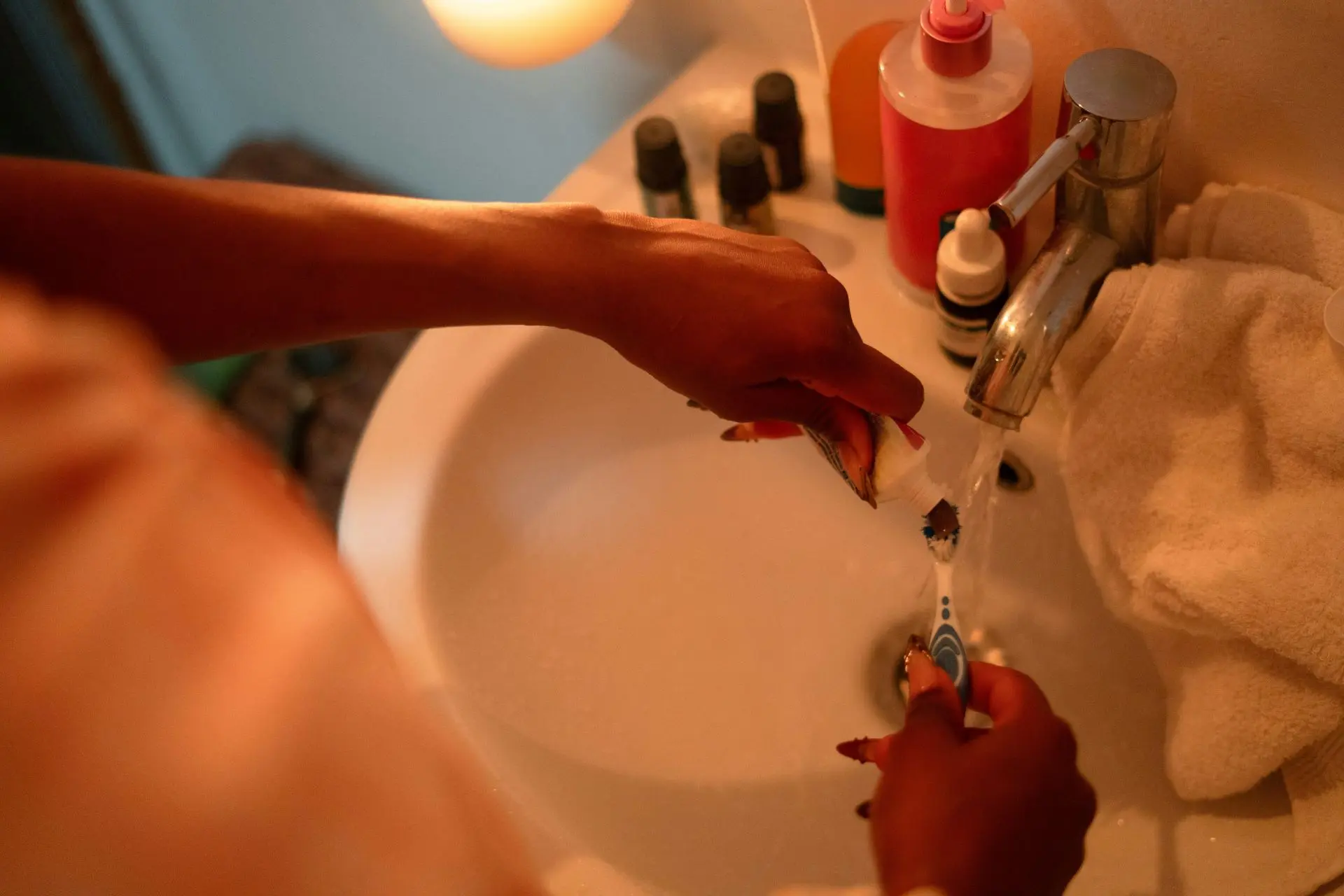
- Turn off the tap: When you’re brushing your teeth or shaving, do not leave the water running. You would be surprised how many wasted gallons you let flow down the drain.
- Run full loads: Whether it be dishes or laundry, never run a small load, because it will just lead to more loads later. Try and pack them as tightly as possible while maintaining efficiency.
- Take shorter showers: If you need a long shower to relax after a long day, you can. However, try and cut your shower by even one minute, and challenge yourself further once this feels comfortable.
- Chill water in the fridge: If your tap takes a long time to cool, then you may let gallons run into the sink that go to waste. Instead, put water in a pitcher to cool it, or use ice.
- Wash dishes smarter: If you wash dishes by hand, fill the sinks with washing and rinsing water instead of letting the water run continuously.
Even though these strategies are easy to start, this should not diminish their impact on the planet. If everyone did these little things, the amount of water it could save would be astronomical.
Now that you have reduced the time that your tap is running, it’s time to take the next step. These tactics are not as commonly acknowledged because they are sneaky ways extra water can seep out throughout the home. Learning about these tiny improvements will not only save water, but it will improve your overall knowledge of your home’s inner workings:
- Install faucet aerators: There is a mechanism at the spigot’s exit that reduces water flow. Install efficient aerators simply by twisting them on. You may even be able to get them complimentary, courtesy of your electricity or water provider if they have an energy-efficiency initaitive.
- Consider the outdoors: Many Americans, especially, waste tons of water on landscaping. They run sprinklers too often, wasting gallons of water that evaporate rather than seep into the ground. Water less frequently or during cooler parts of the day.
- Fix leaks: Ask someone to do an energy and water audit of your home to spot any leaks, because these silent threats can waste thousands of dollars in the long term. You can also add food coloring to your toilet tank to help you spot a hidden leak.
- Sweep instead of spray: Instead of using a power washer to clean the patio or driveway near your home, sweep. It will get rid of most of the debris, which will just accumulate again anyway.
- Look at your plants: Do you have water-hungry plants? Is your climate dry, so you have to water them all the time? Consider replacing them with drought-resistant varieties. All you have to do is move water-loving plants closer to a water source to improve their irrigation and fill areas with more resilient plants to lower consumption.
- Upgrade to high-efficiency appliances: If financially feasible, replace showerheads, toilets, and other fixtures with WaterSense-labeled alternatives.
- Wash your car better: It may take longer, but you should wash your car by hand when you have the time. Imagine how much water you use at a commercial car wash! If you can, park the car on the grass so the ground can soak up the extra water.
5 Advanced, Lesser-Known Strategies for Big Savings
Once you’ve implemented the other ideas, it’s time to do the more advanced strategies. These are the tactics used by knowledgeable activists. Some of them require more effort, while others are just ideas not common in most households.
- Catch water: Place a bucket in your shower to catch some fo the warming-up water that you run while waiting for it to get to temperature. Use it to water plants or to boil on the stove.
- Install a rain barrel: Rainwater harvesting is one of the best ways to get free water for your garden and other nonpotable purposes. You can even use it to flush your toilets or clean outdoor spaces.
- Insulate your pipes: Pipes are very temperature-sensitive, and they are better equipped to keep hot water warm for longer if they lose less heat when transporting it from room to room. This will also help with leak prevention.
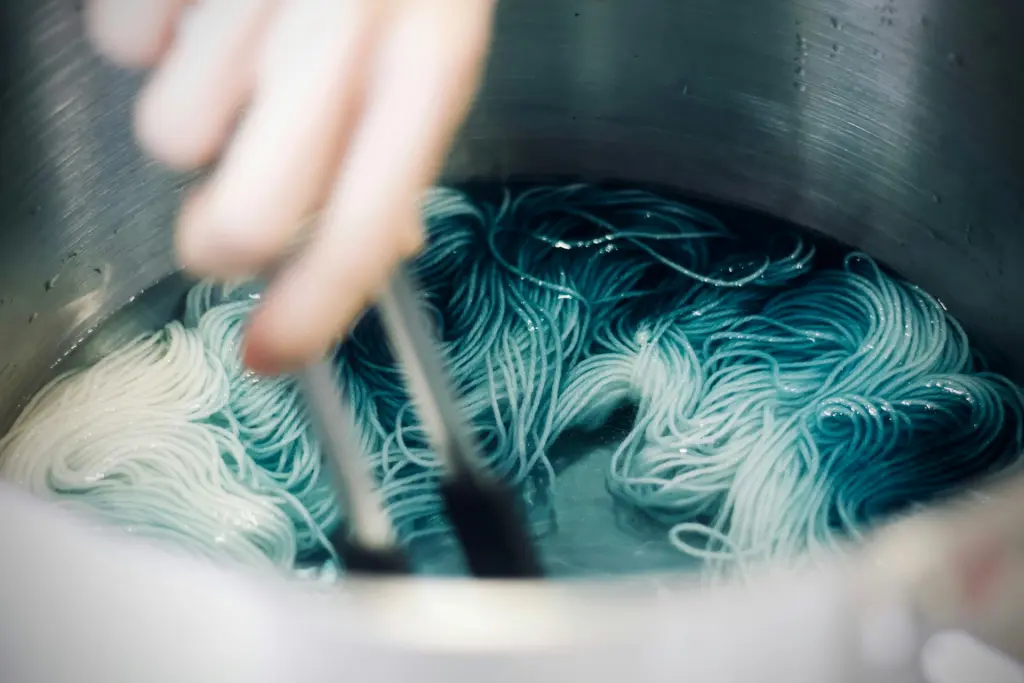
- Reuse pasta water: The nutrients in pasta water are great for your plants, so next time you make spaghetti, don’t throw it down the drain. Try a pot instead! Just make sure the water isn’t too salty!
- Displace your toilet tank water: Place a sealed plastic bottle in your toilet tank. Weigh it down with sand or gravel. This will force the toilet to use a little less water every time you flush. Do it once, and you’ll never think about it again. Over time, the savings accumulate.
What Else Can We Do?
You don’t have to be an expert environmentalist or scientist to know how to execute some water conservation at home. Every effort is buildable. Incorporate one this week, and keep adding until you see your water bill slowly shrink. Every cent you save represents your commitment to the planet. You are lowering your carbon footprint while increasing your awareness of the preservation of natural resources. While people may not be coming to your door to thank you personally, it is a great help to those around you that you are doing your part.