We are reader-supported. When you buy through links on our site, we may earn affiliate commission.
When you think of protein, your mind may go directly to chicken or beef. Even if you have a plant-based diet, Western society has been ingrained with the idea that these are the richest sources of protein. Whether you’re building muscle or just want to adopt a more balanced diet, these alternative protein options are available to diets of all forms. Plus, you get the benefit of each choice being a sustainable option that helps protect the planet through your individual actions.
Protein per 100 grams: 9 g
Lentils are among the most nutritious foods. It has tons of protein given its unassuming size, but it also contains healthy amounts of fiber, which helps digestion and maintenance of a healthy gut microbiome. All of these things contribute to maintaining blood sugar and sustainable cholesterol levels.
It is a planet-friendly option because it can sometimes be carbon-negative. The planet sequesters more carbon than it uses, especially because it doesn’t need much water to grow. It is also hardy, requiring little help from compost or fertilizer.
Protein per 100 grams: 19 g
Chickpeas are another excellent option because they are also loaded with tons of micro and macronutrients. They have carbs and healthy fats, alongside fiber and minerals. They are also eco-friendly because, like lentils, they are drought-resistant. They also improve nitrogen use efficiency in agriculture, making soil more fertile and reducing the need for chemical inputs.
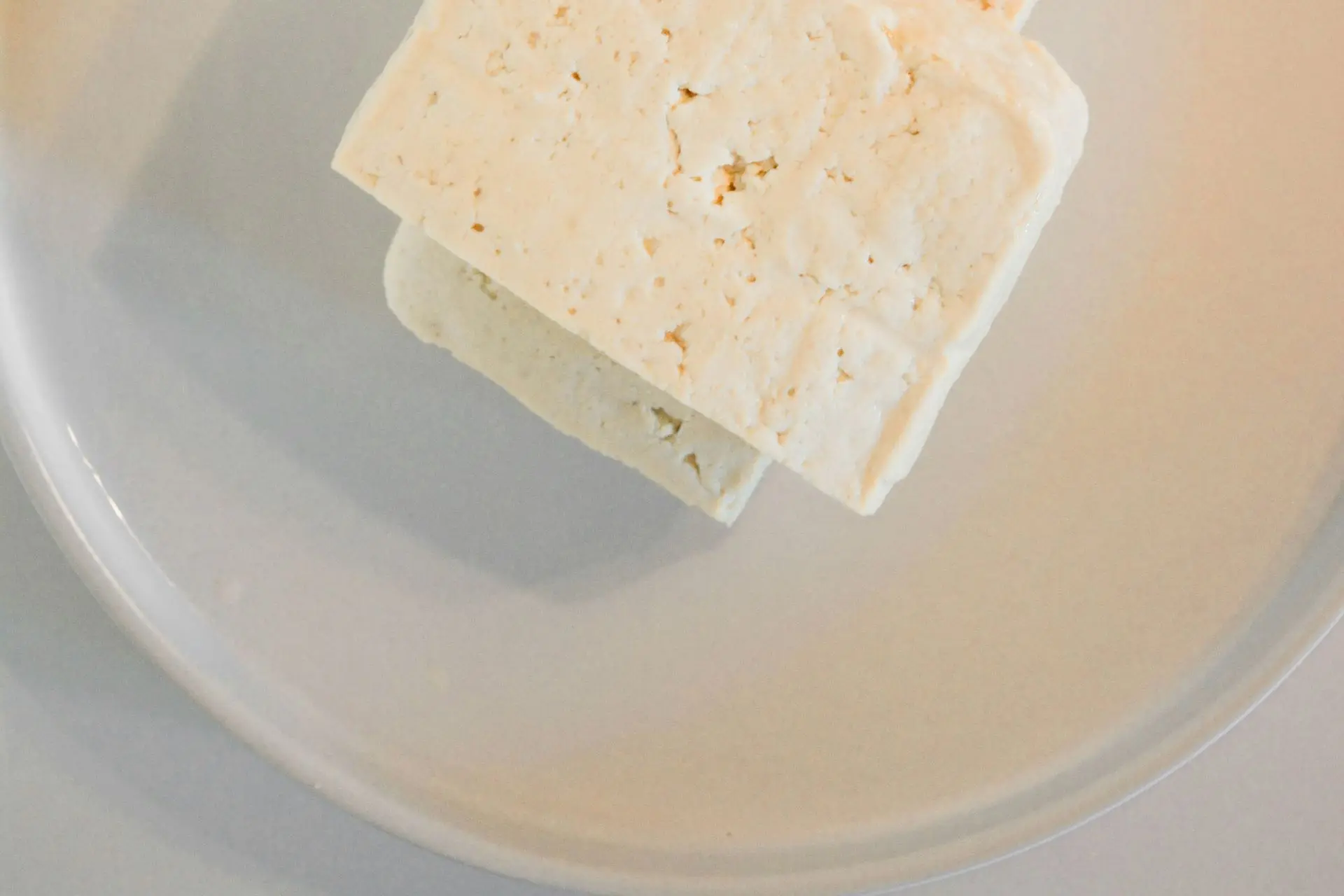
Protein per 100 grams: 8 g or more (increases with firmness)
Tofu is made from soybeans, which are one of the best cover crops in history. It is water-efficient and resilient, but it is also incredibly good for you. If you need more reasons to eat tofu, here are several nutritional motivations:
Because of its benefits, it may also reduce the risk of heart disease and cancer.
Protein per 100 grams: 19 g
Take soybeans and ferment them, and you have tempeh. It has the same environmental benefits as tofu, but even better, since fermentation extends its shelf life. Fermentation also offers unique health benefits, including prebiotics to help maintain a healthy gut microbiome.
Protein per 100 grams: 25 g
Seitan is made from vital wheat gluten and is the densest protein source available. You can even make it at home, simply by buying vital wheat gluten, which looks and works a lot like flour. It has low fat and carbohydrate content, making it extremely lean. It offers environmental benefits as a high-value meat alternative, helping you cut some emissions from your diet by replacing animal products with seitan.
Protein per 100 grams: 11 g
Were you looking for more soy-based products? Edamame is young soy, and at this stage in its growth, it provides the body with tons of nutrition. You get tons of vitamin K1, folate, riboflavin, thiamine and copper, which all support a balanced diet of micronutrients. Plus, you get all the carbon benefits of soy.
Protein per 100 grams: 5 g when cooked
Quinoa is a powerhouse protein. It contains all nine essential amino acids, which is rare in plant-based proteins. It is also versatile and can be incorporated into many dishes, including salads, soups, and stir-fries. Because of its mild flavor, it’s easier to incorporate throughout your meals. It is also extremely affordable in high quantities.
It is hardy in a wide range of climates. Quinoa is very low-maintenance and offers farmers another income option for a plant that requires little water or additional nutrients.
Protein per 20 grams: 8 g
Seeds are generally a great source of protein, but hemp seeds are particularly underrated, especially given how sustainably they grow. They grow rapidly, allowing farmers to have a plant that is easily profitable. They also naturally resist pests better than most protein-dense plants, which can minimize waste and financial losses.
From a health perspective, they are rich in omega-3s and omega-6s, which contribute to a strong mind and body. Brain health needs these to survive, and it helps to have a non-fish-based source for omega-3s. Additionally, you can also have hemp hearts, which are the inner part of the seed. They are great for topping acai bowls or for adding to smoothies.
Protein per 100 grams: 16 g
You may not have even heard of mycroprotein, because it is only now just becoming more commercially popular. These are proteins found in fungi, like mushrooms. It comes in many varieties, though many people do not know they exist. Fungi are extremely easy to grow and offer rich flavor. Many plant-based diets use mushrooms to emulate beef flavor in dishes like soups.
While there aren’t many companies that specialize in these products, the best thing people can do is learn more about them so they become more widely available. These low-cholesterol and high-fiber proteins should definitely be more in the spotlight.
Protein per two tablespoons: 8 g
Spirulina is also a lesser-known protein option, but predominantly found in the Western world. It is common elsewhere and is made from blue-green algae. You can mostly find it in powder form, and it has a distinct seaweed taste that makes it a nice addition to smoothies if you want an unusual flavor profile. It is rich in antioxidants, vitamins, and other immune-boosting compounds.
While these foods may not be as common or taste as good as a plate full of eggs or a filet mignon, they deliver a high protein content that everyone should consider incorporating into their diets. These foods are abundant, renewable, and delicious, offering bountiful nutrition beyond their protein content. So, if you’re bodybuilding, or just want something different than chicken, broccoli, and rice, consider these more eco-conscious, low-carbon options for getting those gains.