We are reader-supported. When you buy through links on our site, we may earn affiliate commission.
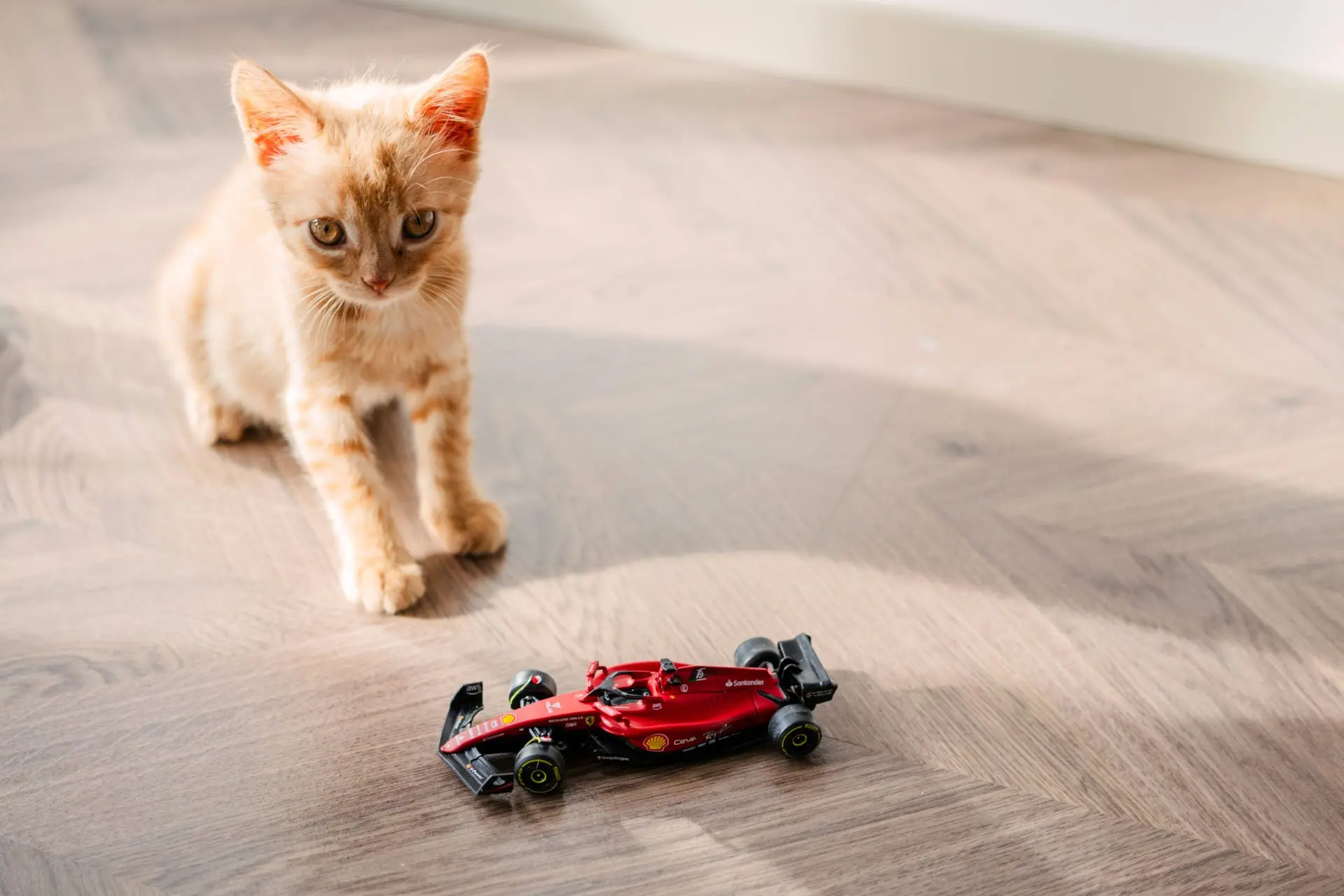
Cat people know some breeds and colors have stereotypes. Persians are snobby, giving the aura of a rich socialite or royalty. Tortoiseshell cats are known for their “toritude,” exhibiting sassiness wherever they go. These personalities were an inevitability, as humans develop connections to their animals and project traits in an attempt to understand them. However, one of the most commonly known archetypes in the cat world is the orange ones — orange cat behavior is in a league of its own.
Are the assumptions about their personalities true, or are they myths that need debunking? Let’s look at several common statements about orange cats and pick them apart.
Cat research is always happening, but there are still many gaps in humanity’s knowledge. This includes the spread of specific research like this. However, a 2015 study found that people perceive orange cats as more friendly than other colors — white cats were perceived as more aloof. However, this is more about how people judge cats than what the cat actually feels.
It is also possible because people think orange cats are friendlier, so they may act friendlier toward them, thereby activating a self-fulfilling prophecy. Much like the other characteristics people believe about orange cat behavior, it is difficult to make a blanket statement that is true. There are likely mean orange cats out there!
Have you ever looked at an orange cat and seen them do something you wish you were filming for? Perhaps it was really clumsy and outright silly. This is the perception that has been garnered on social media. While the density of silly orange videos may seem to confirm this, it is merely confirmation bias. There is no evidence that every orange cat will have this trait.
A goofball personality is not connected to coat color, much like a silly personality is not connected to hair color in humans. However, it is easy to believe this without question about the internet has cultivated this image of them so perfectly without much of a counterargument.
This is another pervasive idea. Orange cat behavior consists of being sociable, chatty, and loud. The belief is that they purr more often or have a wider range of chirps and meows. Like this goofiness metric, this is largely anecdotal evidence. However, more medical professionals are cited acknowledging and promoting this belief than other ideas about orange cats.
The more prominent factor about a cat’s talkativeness is its environment. For many years, cat meows have been studied, with decades-old evidence suggesting they mimic the people around them. If you are talkative, your cat may be more likely to be chatty. It also depends on how the cat has socialized up to this point. Were they a loner in the woods, or surrounded by a large family growing up? Perhaps they have a sibling to run around the house with. These all influence their speech.
Garfield is the simultaneous embodiment and antithesis of orange cat behavior. He is most primarily representative of this because he is food-motivated — another common belief. This is also a myth, as the size of the stomach and depth of appetite are not tied to coat color. A cat’s love of food can be for countless reasons, but it’s not because it is orange. It could be because they are sick or because they just really like the food you give them. However, there are many videos and memes of “chonky” orange cats, begging for seconds.
You may have heard that all calico cats are female, and this is surprisingly true. So, it is possible that another coat color could be associated with a specific chromosome — and it is. This belief is based on science. Around 80% of orange tabbies are male because the color is connected to the X chromosome. Orange female cats will have a less common XX combo. However, this is still less of a stark difference in sex than calicos.
Do you think these adorable cats only have one orange brain cell? This is the prevailing theory, also created in mostly online spaces. This is also advertised through social media, pictures, and video content of orange cats walking aimlessly, without a purpose, or doing things people would consider dumb. Are you noticing a trend? This is, again, another myth, as all cats have the ability to be clever based on their genetics.
There could be some evidence for this, though it is not well researched. Sometimes animals harm wildlife by hunting unnecessarily. They rely on their predator instincts, even though they have expensive food waiting for them in the kitchen every day.
A 2015 study found that some fur coats were associated with higher aggression, particularly when being handled or at the vet. Because these sources are outdated, they may have included anomalous studies. Alternatively, it should inspire more research into the connection between coat color and behavior.
While some breeds of cats and dogs are associated with developing some ailments more consistently, orange cats are not scientifically proven to go toward one health issue or another. An orange cat’s health is more driven by their diet and environment.
Another interesting risk factor is sex. Because more orange cats are male, they are at higher risk for certain conditions, such as urinary tract issues and obesity. However, this is a false correlation that has led people to associate certain illnesses with coat color, when other biological and environmental factors are actually causing them.
Everyone’s connection to their cat is unique and indescribable, and you know your pet better than anyone else. Regardless, the stereotypes about orange cat behavior have persisted, extending beyond casual conversations about the similarities between friends’ pets to internet memes. While some of these statements have some truth, in reality, every cat’s habits, behaviors, and intelligence are different — regardless of color.