We are reader-supported. When you buy through links on our site, we may earn affiliate commission.
In the complex web of Earth’s ecosystems, many animals develop adaptations that defy expectations. From microscopic creatures to majestic mammals, these remarkable species illustrate nature’s ingenuity — and they remind readers how connected humans are to the living world. Here are seven astounding animal facts that feel almost unbelievable yet are entirely real.
In the world of marine life, reproduction strategies can be astonishing. The small, reef-dwelling blue-banded goby is one of the few species capable of changing sex back and forth during its lifetime. This rare ability allows the species to maintain population balance and reproductive success even when environmental or social conditions shift.
In the crowded reef environment, flexibility in reproductive roles can optimize mating opportunities. When a dominant male disappears, one of the females can become male in a matter of days and revert to female if conditions shift. Climate and habitat pressures may make such adaptability even more valuable.
For sustainability advocates and marine policy observers, this fact showcases nature’s remarkable resilience and the adaptive capacity of life beneath the surface.
When most people picture a penguin, they see it waddling across ice or sliding into the sea. Yet penguins’ streamlined bodies reveal a radical adaptation — they “fly” through water.
According to the City of Albuquerque BioPark, penguins have solid bones, which reduce buoyancy and allow more efficient swimming. Their bodies are tapered at both ends, similar to torpedoes. Their feet act as rudders, and some species travel astonishing distances — up to 60 miles or nearly 100 km — across sea ice to reach breeding grounds.
Penguins have essentially evolved to master an aquatic form of flight. For those who value ecological and evolutionary insights, these birds exemplify how natural selection crafts specialized traits for survival in extreme environments.
The majestic snowy owl is known for its striking white plumage, but one of its most unusual traits is that it hunts in daylight. Snowy owls are diurnal — active during the day — because their Arctic habitat offers nearly continuous sunlight during summer months.
Covered from head to toe in feathers, including their feet, these owls are built for sub-zero climates. Their wingspans reach 4-5 feet, allowing powerful yet silent flight. Since most owl species are nocturnal, the snowy owl’s daylight hunting makes it exceptional. Its adaptation underscores the importance of Arctic habitat protection, as changing climates place pressure on species finely tuned to their environments.
The wood frog, found in parts of North America, endures winter by literally freezing about 65% of its body water and shutting down its heart and breathing. When spring arrives, it thaws from the inside out and resumes normal life. This survival strategy highlights how certain species rely on extreme seasonal conditions and specific habitat characteristics to thrive.
For sustainability-minded readers, this underscores the importance of protecting habitat complexity and seasonal processes — such as freeze-thaw cycles, snow cover, and forest floor conditions — as vital, not just preserving “green space” in the abstract.
Beyond bats, a diverse range of animal pollinators quietly support global agriculture and biodiversity. The U.S. Geological Survey reports that about three-quarters of native plants depend on animal pollinators such as bees, birds, butterflies, and bats.
Pollination services contribute more than $15 billion to crop value annually in the United States. The loss of pollinators would threaten wild plant communities and essential ecological services, including carbon cycling, flood regulation, and soil health.
For individuals who care about sustainable food systems, the lesson is clear — pollinators are integral to global ecology and food security. Supporting them by planting native species or reducing pesticide use strengthens the natural systems that sustain human life.
The southern sea otter demonstrates not only intelligence but also an ecological role through tool use. Research has found that individual sea otters that use rocks or shells to break open hard-shelled prey also tend to avoid tooth damage and can thus access larger prey when simpler prey is depleted.
Moreover, in some California estuaries, sea otter recolonisation has been linked to dramatic reductions in shoreline erosion — by keeping populations of plant-root-eating crabs in check, otters help stabilize marsh edges and regulate ecosystem structure.
For those interested in sustainable living and natural systems management, this fact highlights how the behavior of a single species supports both biodiversity and habitat resilience. Protecting such species thus becomes both a conservation and climate-adaptation strategy.
The platypus, an egg-laying mammal native to Australia, exhibits a remarkable trait. Its fur biofluoresces, meaning it absorbs ultraviolet light and emits visible blue-green light — a first observed for an egg-laying mammal or monotreme.
While the biological purpose of this fluorescence remains under study, the more actionable conservation fact is their habitat vulnerability. Their freshwater stream and riverbank ecosystems are threatened by land-clearing, water extraction, and climate change.
This pair of facts offers a dual lesson — nature can harbour highly unusual traits, and yet those same species may be quietly imperilled. For sustainable living, protecting freshwater ecosystems means valuing species with unique roles and features, not just the familiar ones.
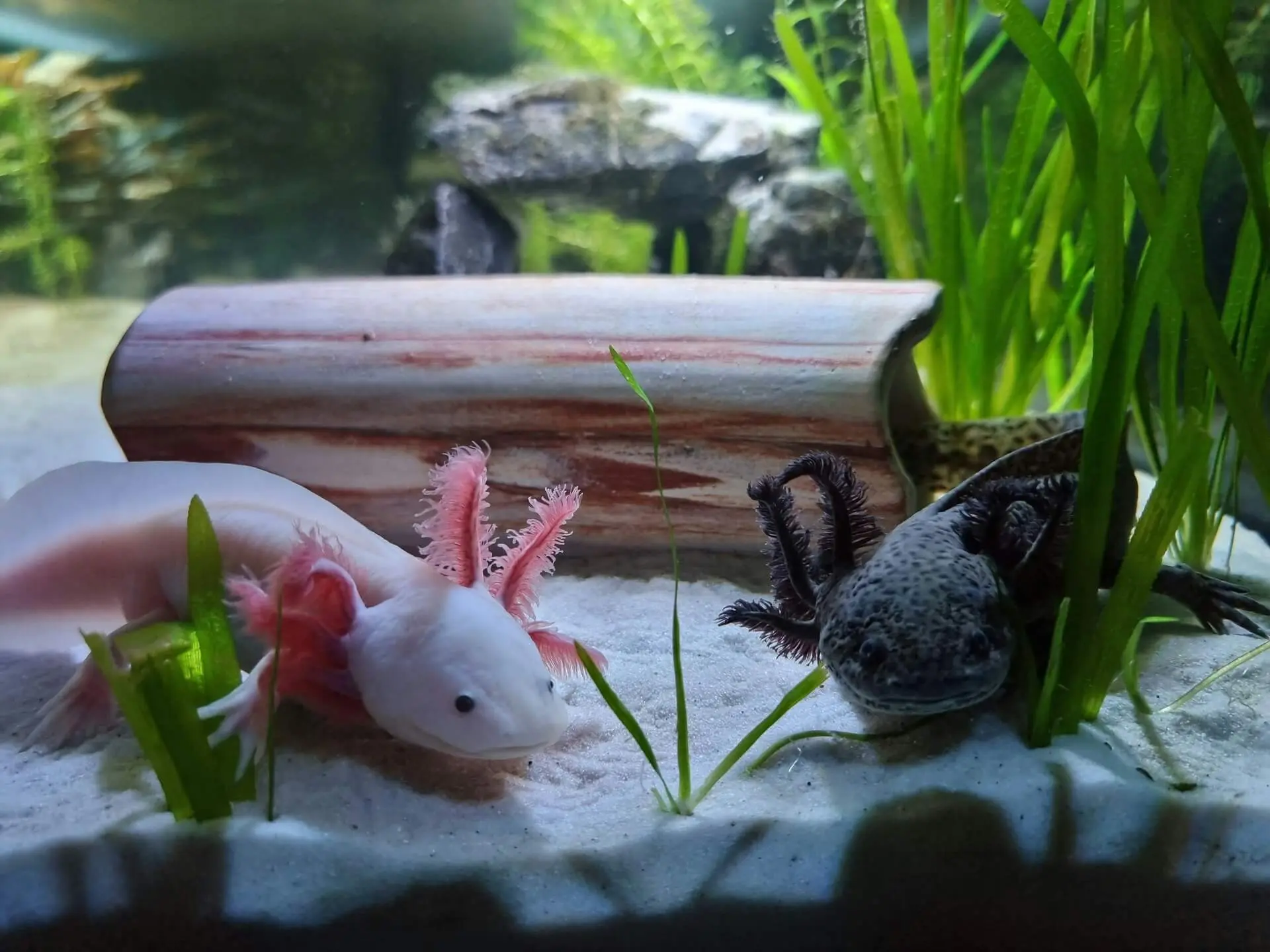
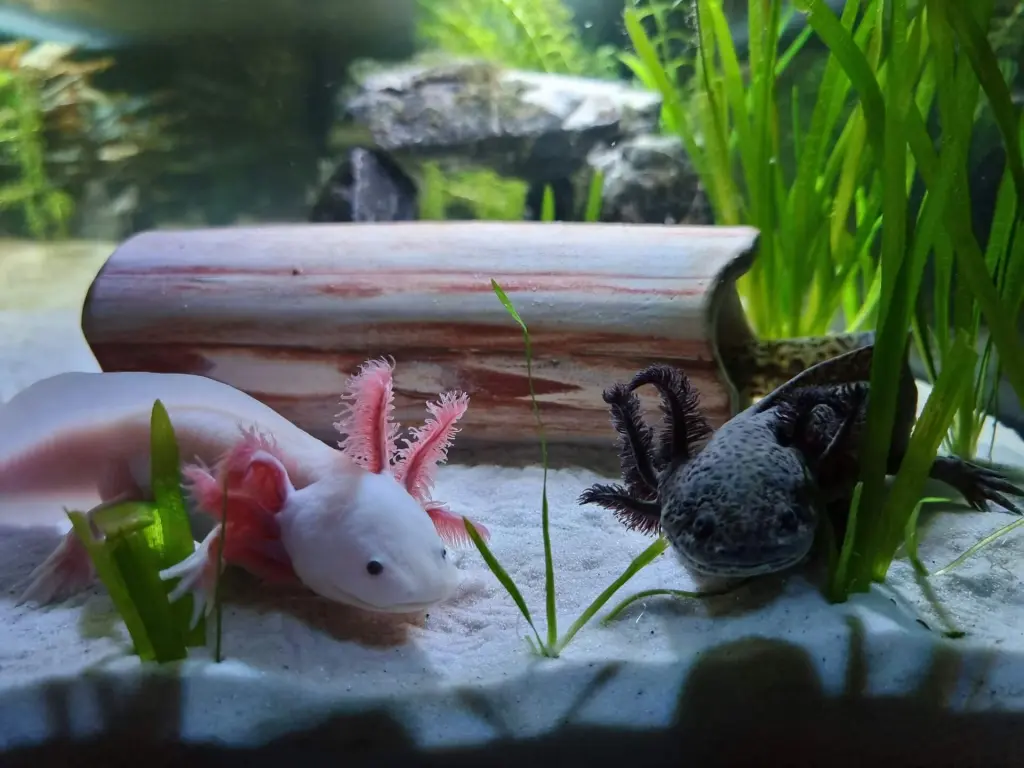
Among the most celebrated regenerative creatures is the axolotl, a Mexican salamander famous for its ability to regenerate limbs, spinal cord, heart tissue, and even parts of its brain — all without scarring.
Unlike most amphibians, axolotls stay in their juvenile, gilled form throughout life — a trait called neoteny — and spend their entire lives underwater. Unfortunately, the species is now critically endangered due to habitat loss, pollution, and invasive species in the canals of Mexico City.
For sustainability-minded readers, the axolotl serves as a poignant reminder of the importance of preserving biodiversity. Its unique biology shows that protecting even small, fragile habitats safeguards genetic innovations that may hold solutions for both ecosystems and human health.
The wingless semiaquatic springtail Isotomurus retardatus demonstrates exceptional aerial control — it jumps, rights itself in mid-air in under 20 milliseconds, and lands upright on water thanks to a specialised “collophore” adhesion organ. While this may seem far removed from policy or human-scale sustainability, it offers a powerful metaphor — nature evolves finely tuned mechanisms for survival in marginal habitats.
For human systems, it suggests that preserving small, specialized habitats — such as wetland edges, semi-aquatic zones, and micro-ecosystems — can yield disproportionately large ecological benefits.
At first glance, these animal facts may seem like curiosities — impressive glimpses into evolution’s creativity. Yet they carry deeper lessons for how people can think about sustainability, policy, and everyday choices. Each species demonstrates that the natural world functions through balance, adaptation, and interdependence.
For those pursuing sustainable living, understanding these relationships can transform abstract environmental ideals into tangible actions.
The natural world abounds with adaptations that challenge assumptions, yet each one is a testament to evolution’s creativity. From bats that safeguard crops, to penguins that “fly” through water, to fish that shift their biology, these facts reflect a living planet in motion.
In a century marked by environmental change, these stories remind society that humans are part of a shared ecosystem. By understanding and protecting the incredible abilities of animals, people can move closer to living sustainably and harmoniously with the natural world.