We are reader-supported. When you buy through links on our site, we may earn affiliate commission.
Populating the Earth are millions of living organisms, all of which play a role in the interconnected web. Each of these creatures is uniquely valuable and pulls its own weight in the balance of things. Still, some are extra important, so much so that the survival of many other life forms depends on them. Here’s the big deal about keystone species.
A keystone species is any organism — plant, animal, or microorganism — that holds an ecosystem together. It has a disproportionately large effect on its environment. Even in small numbers or without being the most abundant creature, its mere presence shapes the structure of the entire wildlife community around it.
The term draws from architecture. In an arch, the keystone is the central piece that locks everything in place by distributing pressure. Remove it, and the arch collapses. Similarly, removing a keystone species sets off changes that ripple through the whole biome.
These changes often start gradually. Select populations grow disproportionately, habitat structures shift drastically, and wildlife diversity declines. Over time, these effects can transform the entire ecosystem.
The whole idea that a single group can influence an entire ecosystem originated from field research along the Pacific coast of the United States in the 1960s. Ecologist Robert T. Paine studied marine life in the rocky intertidal zones, where organisms compete for limited space.
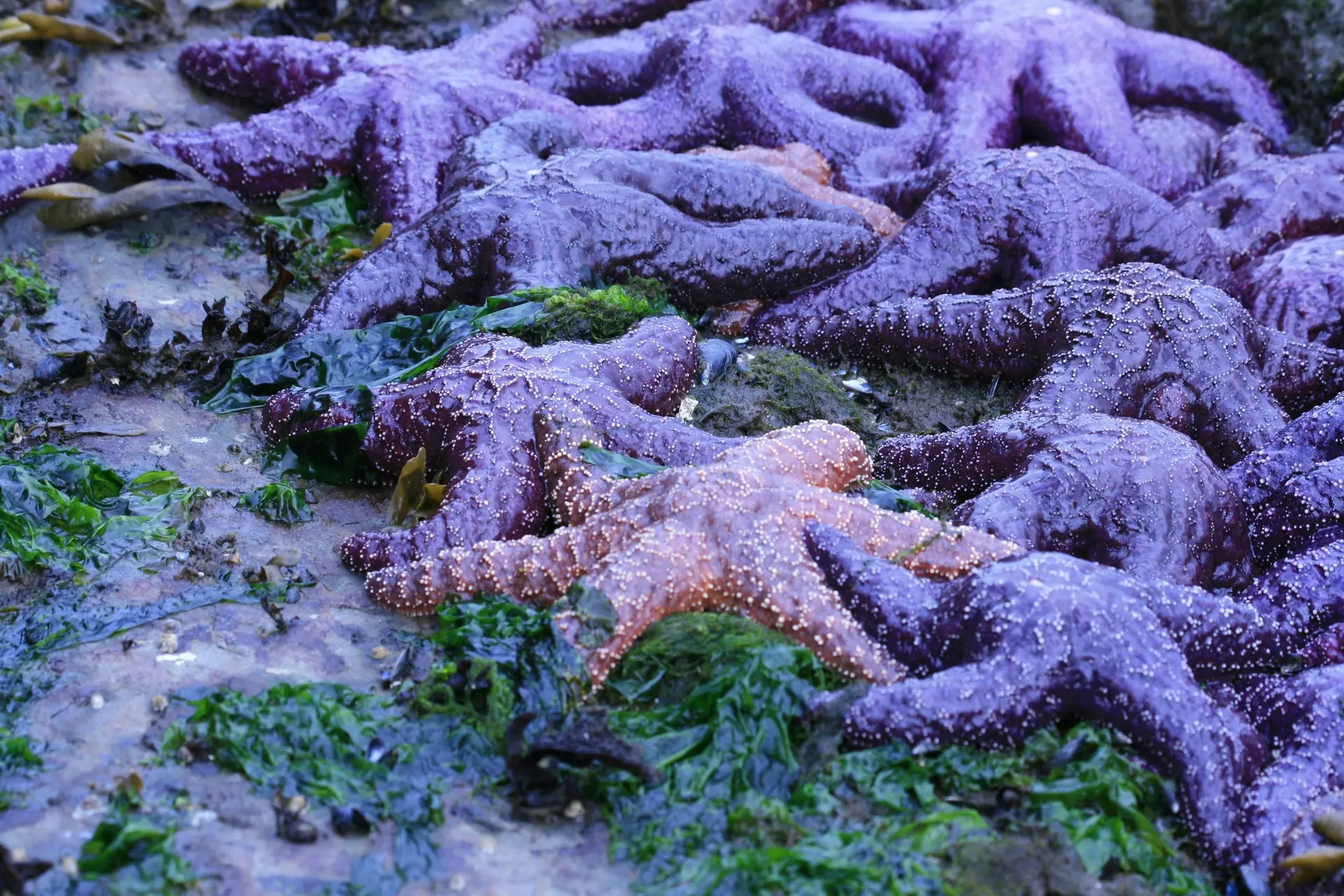
In one experiment, he removed a single species of sea star, Pisaster ochraceus. This predator fed on mussels and barnacles, which kept them from completely taking over. Once the sea stars were taken out, the community collapsed. Barnacles initially settled in large numbers but were soon crowded out by the competitively superior mussels. The mussels covered every inch of the rocks and displaced other organisms.
What’s really interesting is that algae, anemones, and sponges also slowly disappeared even though these were not considered prey for the sea star. The high competition in a very limited real estate of rocks were enough for them to scurry out of the picture.
You could call it a Pisaster disaster. What had been a diverse neighborhood of species turned into a monoculture of mussels. This is bad news because low diversity often makes an ecosystem less resilient. A single disease or environmental change could wipe out the system because no other players could fill the gap.
Paine’s experiment revealed how one species can control the balance of many others. Its removal triggered a cascade of changes across the entire ecosystem.
Scientists generally identify three archetypes of keystone species — predators, ecosystem engineers, and mutualists. A 2023 analysis of the scientific literature identified 230 distinct animal species formally designated as keystones. However, because the definition is broad and many ecological communities remain understudied.
Predators regulate the number of herbivores and other smaller predators to prevent overgrazing or population explosions. This influences the abundance of plants and other animals throughout the food chain.
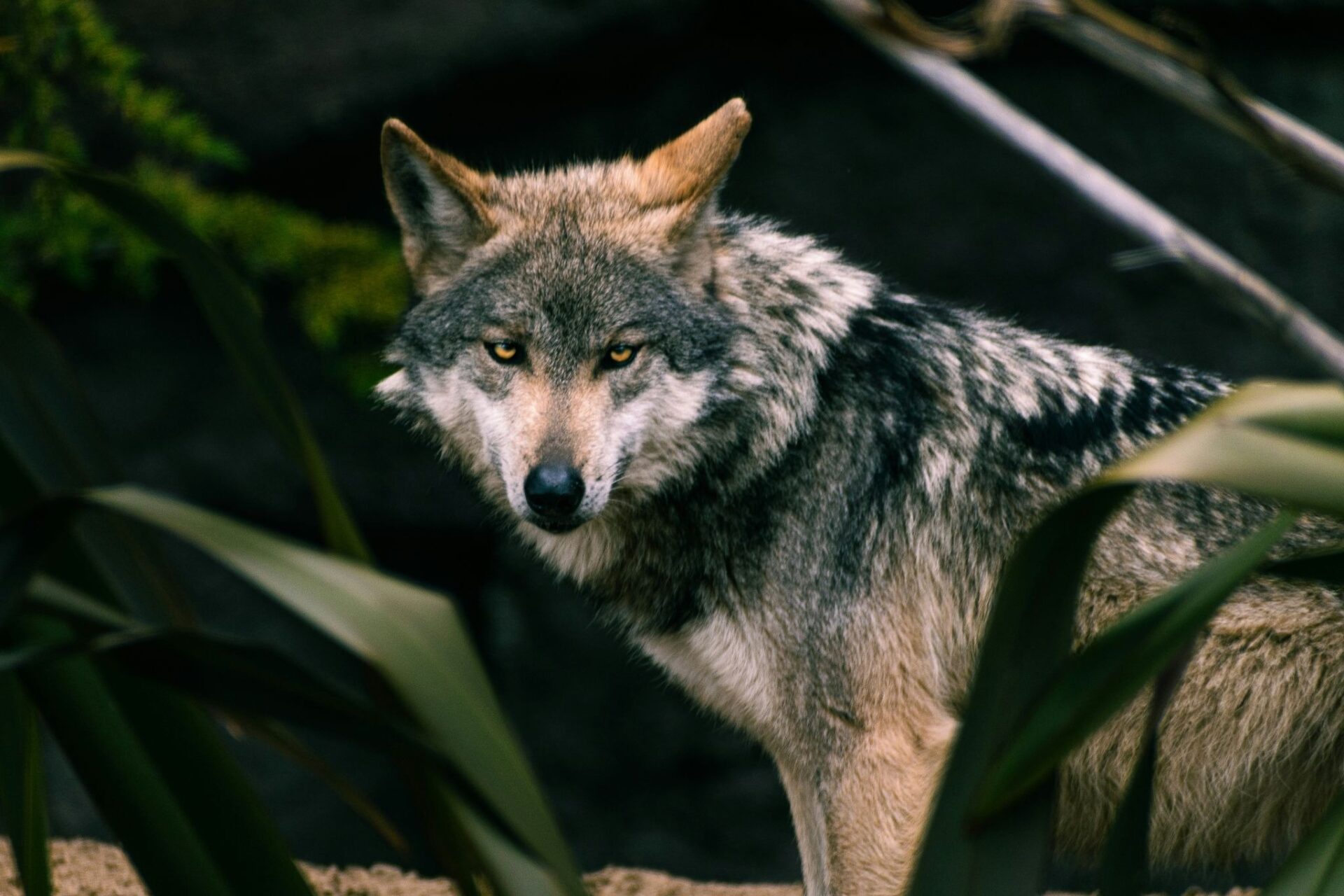
This apex predator inhabits the tundra and forests of Alaska, Canada, and the northern United States. They hunt large herbivores such as elk, caribou, deer, and moose that can overgraze into beaver territory. By keeping these groups in check, wolves help trees and shrubs thrive, supporting birds and other small mammals. In fact, the reintroduction of wolves to Yellowstone helped restore ecological equilibrium and grew the beaver population from one colony to nine and thriving!
Their kills also leave carrion for scavengers like eagles, foxes, and bears. The gray wolf’s existence truly benefits all stages of the food web, from plants and herbivores to smaller predators and scavengers.
Other examples of keystone predators are:
Mutualists are organisms that form mutually beneficial relationships essential to a healthy ecosystem. They often act as pollinators, seed dispersers, or symbiotic partners. Removing these species can disrupt the balance of their habitat, affecting both wildlife and human communities that rely on the services they provide.
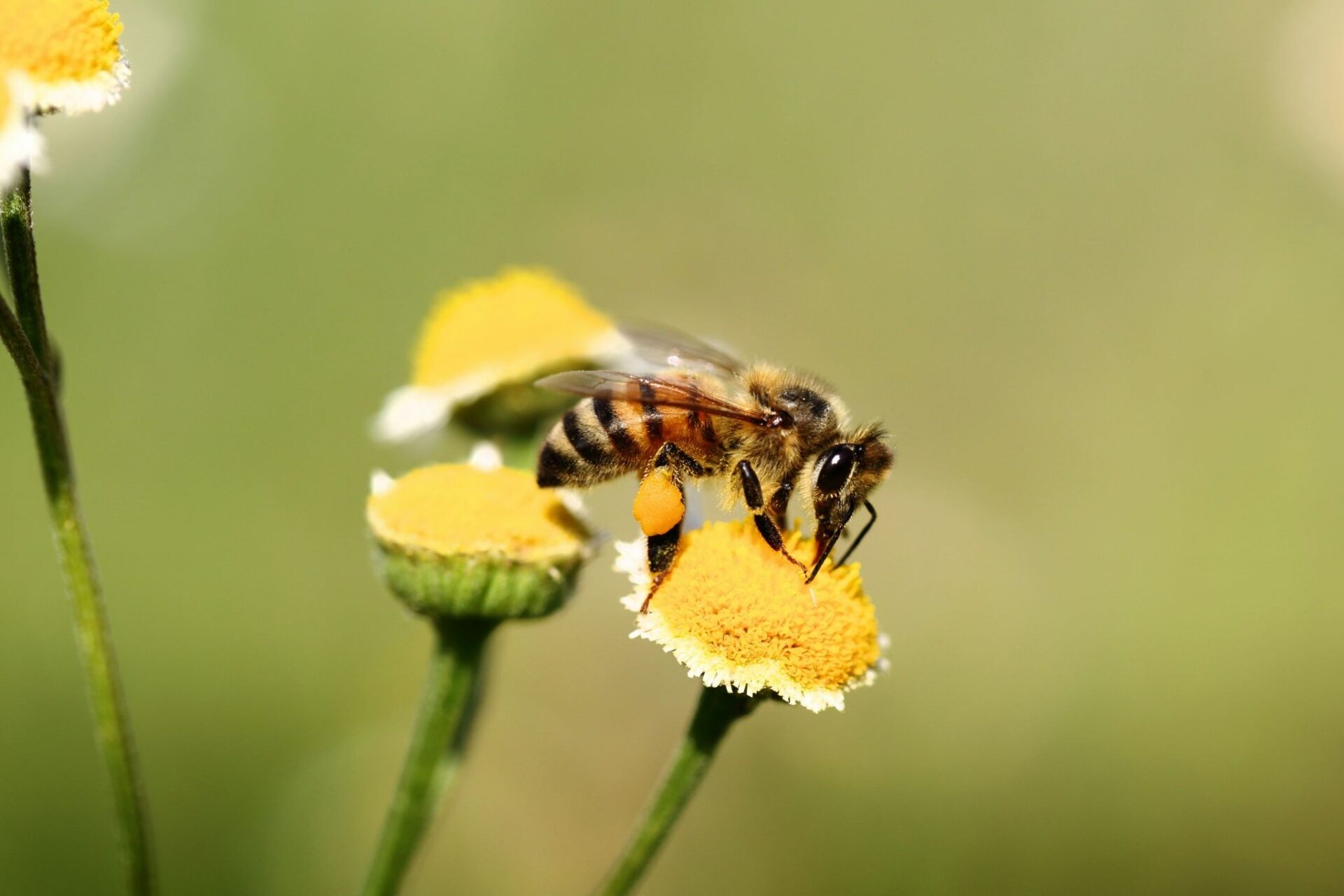
These nimble pollinators help make mangoes, almonds, and even meat and eggs possible. In fact, 45% of the world’s food crops is at the mercy of bees.
Bees transfer pollen between flowers, enabling the production of fruits, nuts, and seeds. This process feeds birds, small mammals, and insects. Without bees, many flowering plants would rely solely on wind for pollination, often leading to lower yields. With less plant-based nourishment available, livestock such as cows and chickens would also have less to eat, making poultry and other animal products a rarity. This ties their role to nearly every creature in the food chain, including humans.
The most notable mutualistic organisms include:
These creatures live up to their name. Unlike predators that shape the environment through what they eat, ecosystem engineers physically modify their surroundings by creating or destroying habitats. By altering land, water, or vegetation, they influence how other organisms live, move, and find resources.
Beavers are quintessential keystone ecosystem engineers. They build dams as part of constructing their lodge homes, which slow down rivers and create wetlands. These ponds protect from predators like wolves, coyotes, and mountain lions, as the entrance to their lodges is underwater. They also serve as habitats for countless life forms, including fish, amphibians, birds, and even plants.
Because beavers use dead and dry wood, they help reduce wildfire risk. As they alter the landscape, they create wetlands that store more carbon than they release. A study on Eurasian beaver activity found that the stream corridors they create act as significant carbon sinks, absorbing up to 98% annually. This makes them unlikely yet valuable allies in supporting environmental stability.
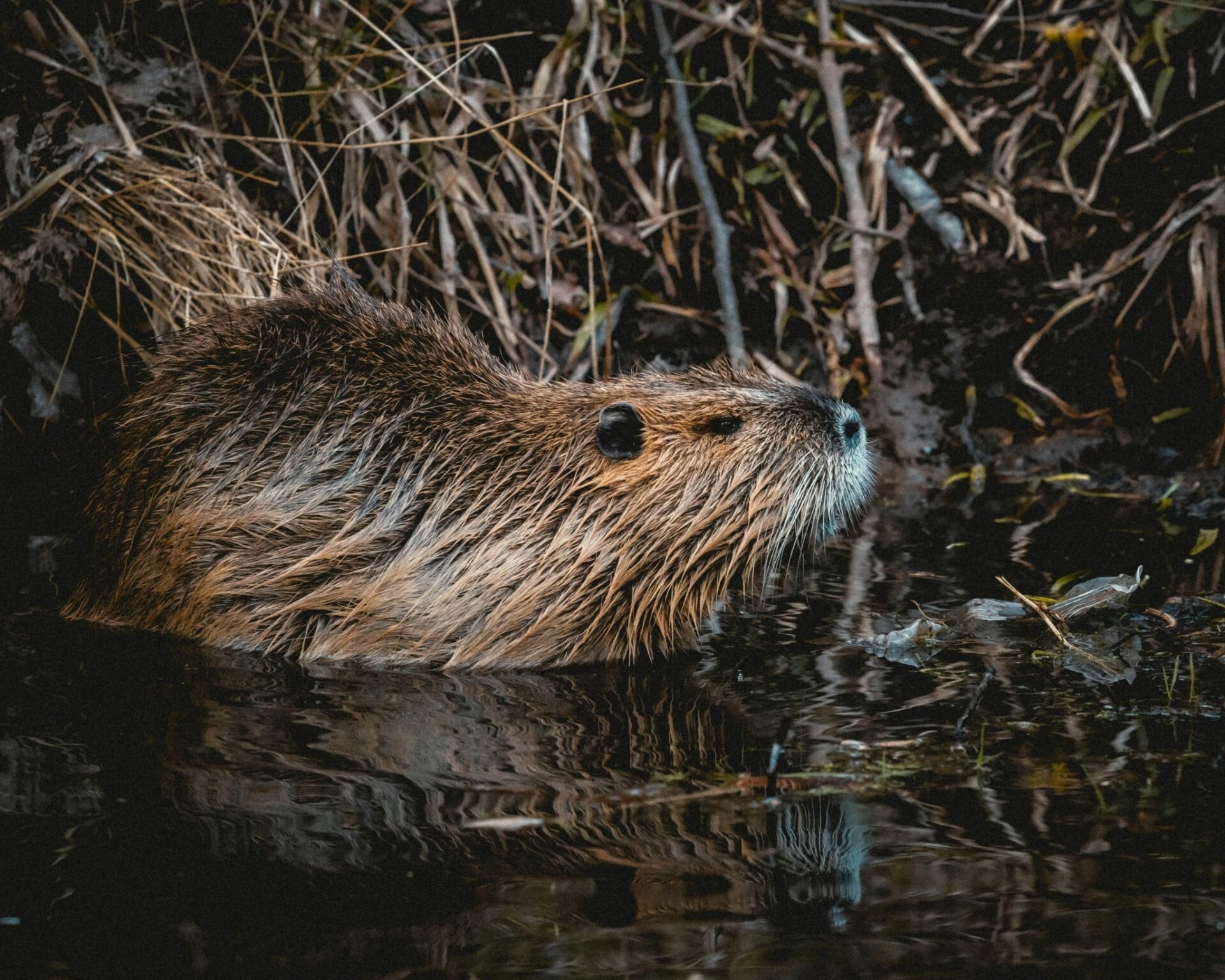
Other ecosystem engineers can be as tiny as termites and humongous as elephants:
Keystone organisms reveal just how tightly life is connected. Their presence guides the flow of energy from producers to scavengers, and back to the earth once more. Their actions shape habitats and support countless other life forms. Protecting these critical few safeguards not just individual species but entire ecosystems. Observing these key players teaches us that even small changes in nature can ripple outward, influencing biodiversity, resilience, and the balance on which all forms of life depend.