We are reader-supported. When you buy through links on our site, we may earn affiliate commission.
Located in the west of Montreal, the Ecomuseum Zoo is a unique beacon for education and biodiversity preservation. Compared to traditional zoological institutions that often house exotic species from around the world, the Ecomuseum Zoo focuses exclusively on Quebec wildlife.
This initiative has received widespread attention from sustainability movements, highlighting the vulnerability of local living systems and empowering visitors to defend the planet by starting in their own backyards. With climate change continuing to impact the planet, institutions like the Ecomuseum Zoo are critical refuges for long-term ecological health and conservation.
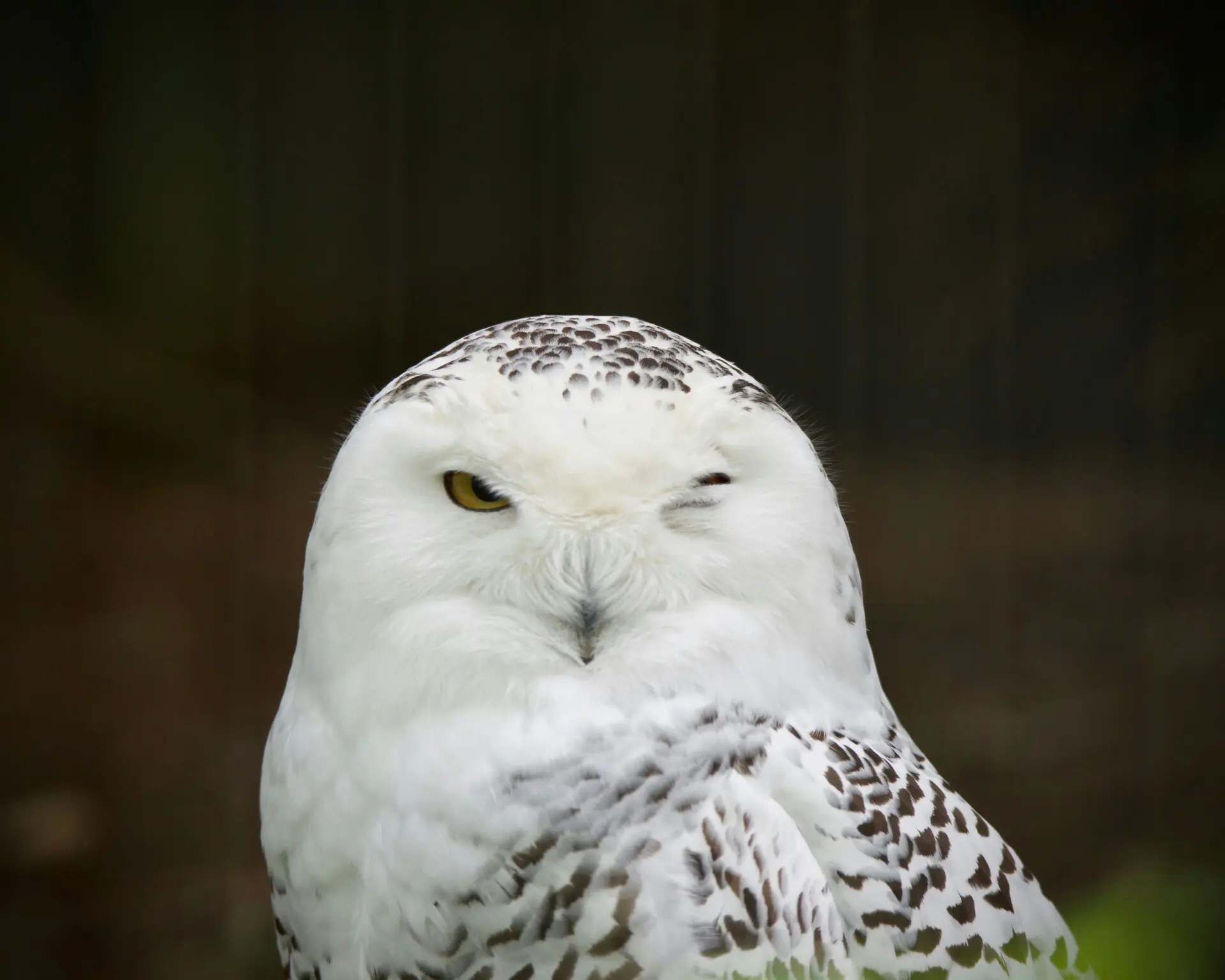
The Ecomuseum Zoo’s core mission is to conserve wildlife and care for animals that cannot return to their natural habitats. From the black bear to the snowy owl, all the animals at the institution have resilient backstories. Many have been injured or orphaned, and some were born in professional care, leading them to lack the necessary skills to survive in the wild.
These animals are ambassadors rather than mere exhibits, representing their species to human observers and helping them understand their impact on the natural world. By providing these individuals with a permanent home, the zoo contributes to a broader goal of wildlife preservation.
The Ecomuseum Zoo helps the general public understand that preservation goes beyond numbers and also fosters respect for animal communities. The zoo’s commitment to high standards ensures that residents live in environments that mimic their natural habitats, supporting the integrity of local ecosystems.
The Ecomuseum Zoo heavily emphasizes education and knowledge, breaking down complex ecology and conservation science into actionable information for the everyday person. Visitors get to engage with stories about the animal, habitat loss, pollution, deforestation and the importance of biodiversity.
For younger generations, the zoo is a classroom, offering programs that make learning about the planet exciting and welcoming. Children learn quickly by observing, and the Ecomuseum Zoo understands that. Children can develop an emotional connection to wildlife by seeing a fox or a turtle up close, providing an educational depth that textbooks cannot. These experiences form the foundation for lifelong advocacy.
While the zoo’s business model is about education, behind the scenes, it is heavily involved in scientific research. To truly understand why certain species are facing annihilation, researchers must study a multitude of technical factors, including air quality, water health and migration patterns. For this, the Ecomuseum Zoo collaborates with various partners for monitoring.
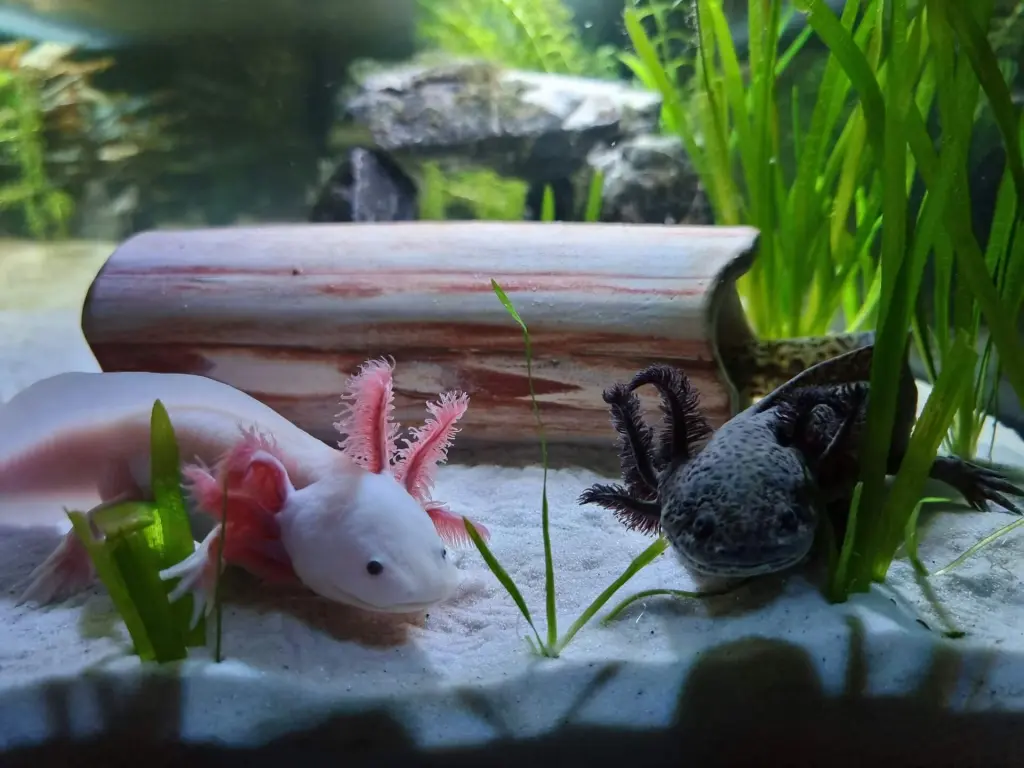
An area that it is focusing on now is the protection of reptiles and amphibians. In Quebec, several species of turtles and salamanders are at risk due to urbanization. The zoo participates in recovery plans to restore habitats. These efforts help stabilize the Earth’s regional fabric, ensuring that these small but essential parts of the ecosystem do not disappear.
The Ecomuseum Zoo puts its values into practice through its eco-friendly operations. Customers see this in their day-to-day choices, such as how they manage waste and the materials they use for building new habitats, serving as a model of conscious living. By building a thoughtful and meticulous environment, visitors are encouraged to evaluate their own lifestyle choices and identify changes they can make, such as reducing waste or supporting sustainable movements.
The zoo’s Activist Corner-style opportunities allow visitors to volunteer or donate to specific projects. There are numerous community events to get involved in on a wide range of causes, from pollution to waste management. The zoo emphasizes that even small actions can compound when performed by thousands of visitors, leading to a notable impact on the planet.
The success of institutions like the Ecomuseum Zoo is often tied to more overarching climate policy trends. When the government implements strict emissions standards that protect large swathes of land from deforestation, the animals within the zoo’s care benefit. However, when policies prioritize funding for fossil fuels over renewable energy and conservation, local living systems come under increased pressure.
The zoo better advocates for the needs of Quebec’s wildlife by staying informed on these policies. They provide a voice for those who cannot speak, pushing for changes in the farming system to reduce negative impacts. This level of vigilance ensures that the fight for the environment remains a top priority for both the public and policymakers.
There are many amazing aspects of the province’s wildlife. A few numbers to keep in mind when considering the importance of local conservation include:
These facts remind us of how the Ecomuseum Zoo provides a window into the incredible world of Quebec Wildlife. Through continued education and participation, people can ensure the wildlife in the province continues to thrive for generations to come.
Defending the planet will always be a collective effort. There are many ways the public can support Ecomuseum Zoo’s mission. Firstly, visiting the institution, immersing oneself in the beauty of wildlife and approaching the educational material with open arms is the easiest way to support the zoo. Purchases directly fund animal care and the zoo’s many programs.
For those who want to take a more active role, putting yourself in the shoes of the conversationists by volunteering time to help with public outreach of “adopting” a specific animal by covering some of its expenses is a great approach. Additionally, making changes at home is a meaningful way to contribute to wider eco-friendly trends.
Taking part in trends such as starting an organic garden with native plants or participating in Plastic-Free July to reduce waste is a sign of dedication that ripples throughout the community. While the zoo serves as an important resource, the final decision to take action remains in the hands of the people. By staying involved in these small yet consistent ways, everyone can help hold the fabric of Earth together.