We are reader-supported. When you buy through links on our site, we may earn affiliate commission.
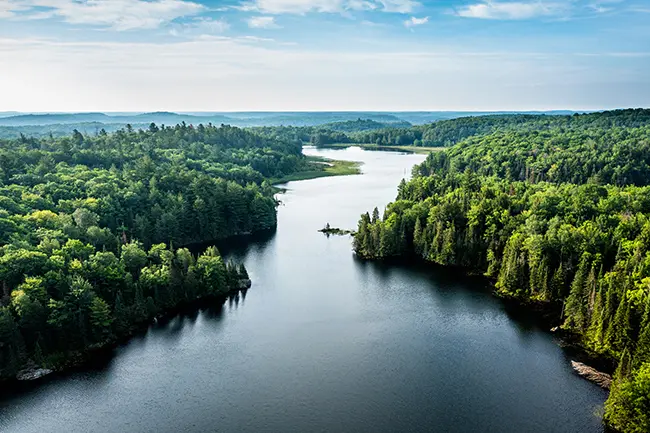
The Earth is teeming with life, yet this vibrancy would never be possible without the underlying support that sustains it. Abiotic factors are the non-living parts of the environment that shape how life exists. Different habitats, from grassy plains to mossy forests to the deep ocean, each have their own set of elements that determine which organisms survive in a given place.
The term “abiotic” refers to anything in an environment that is non-living. The prefix “a-” means “without” and is used to negate the rootword, “biotic”, meaning “life”. Abiotic describes the physical and chemical variables that shape the conditions of a space. Among the most basic examples are sunlight, temperature, water, soil, and air. Remove one, and the biome is altered, which also changes the forms of life that can live there.
Here are the most common environmental components shaping life across the planet:
One cannot explore abiotic elements without also discussing biotic agents. Abiotic factors define the environment, while biotic factors are the living organisms within it. Both interact at every level of an ecosystem.
Biotic agents include plants, animals, fungi, and microorganisms. These living things rely on non-living components such as sunlight, water, and air to survive. At the same time, they shape their surroundings. For example, vegetation alters soil composition and can influence local climate conditions. This relationship creates balance.
| Feature | Abiotic Factors | Biotic Factors |
| Definition | Non-living physical and chemical elements | Living organisms |
| Examples | Sunlight, water, air, soil, temperature | Plants, animals, fungi, bacteria |
| Role | Set environmental conditions | Interact and form food chains |
| Dependence | Independent of living organisms | Depend on abiotic conditions |
| Origin | Atmosphere, hydrosphere, lithosphere | Biosphere |
These non-living aspects affect where organisms live. They also shapes how they live. A slight change in one variable influences the others.
For example, reduced sunlight limits plants’ ability to photosynthesize. When light levels drop, plant growth slows. That change in vegetation reduces the availability of food for herbivores. The competition for sustenance shapes which animals thrive. The decline in prey also affects omnivores and carnivores, ultimately shaping the ecosystem’s overall biological makeup.
Moisture drives similar patterns. Rainforests support dense plant growth due to high rainfall. Deserts show sparse vegetation due to limited water. Species in each region adapt to these conditions over time.
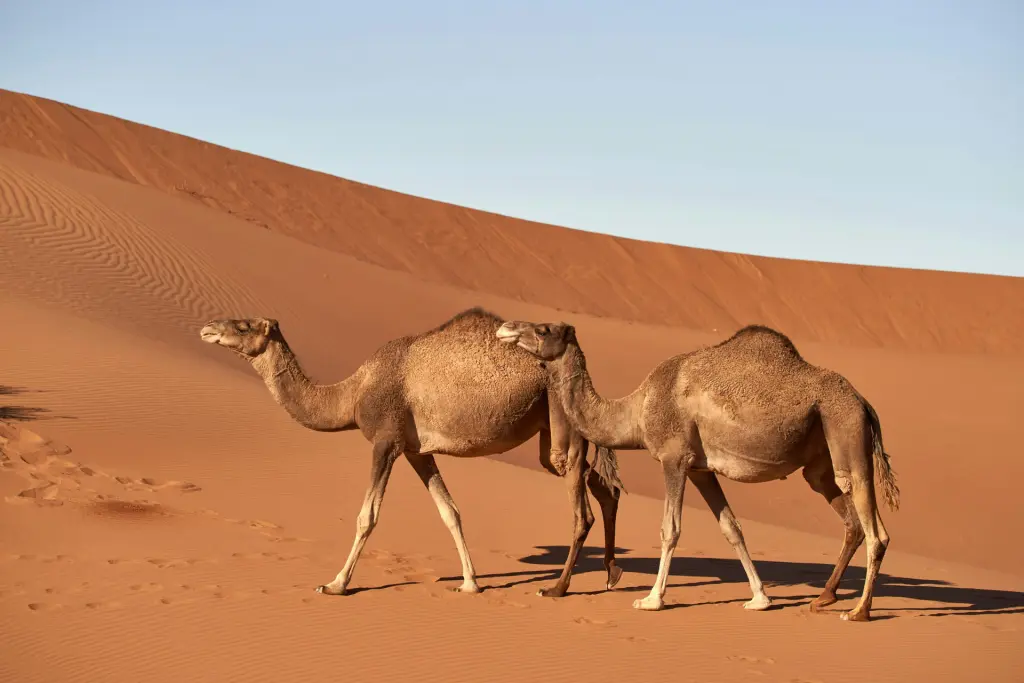
Temperature shapes existence. It’s why some animals, like camels, have no problem with desert heat, as they’ve evolved specially padded, leathery feet to protect them from the scorching sun. Meanwhile, penguins can waddle cozily in extreme Antarctic conditions thanks to their waterproof feathers and thick insulating blubber.
Abiotic factors also create physical barriers. Oceans separate land animals, which explains the stark differences between Old World monkeys in Africa and Asia and New World monkeys in South America. The Atlantic Ocean has shaped very distinct evolutionary paths.
Mountain ranges block migration and influence climate. The Himalayas keep South Asia warmer by blocking cold Siberian air, while the Andes contribute to the Atacama Desert’s aridity. Even a small pond limits aquatic organisms to a fixed area, determining which species can persist and how they interact within that space.
Non-living elements fall into several categories. Each group describes a different part of the environment.
For scientists, all the abiotic factors are a stage, and all the biotic agents, like plants, animals, and microorganisms, are merely players. Understanding these helps explain why life looks the way it does across the planet.
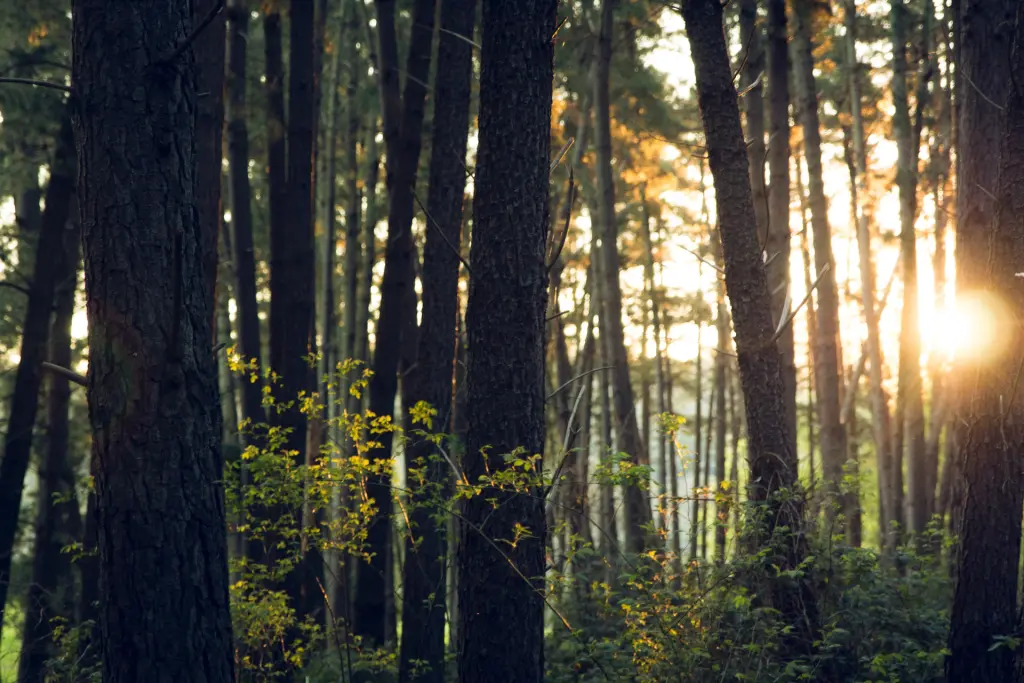
Light is a fundamental driver of life. It acts as the primary energy source for plants through photosynthesis. It’s also a crucial behavioral and physiological regulator for animals. It influences circadian rhythms, reproduction, and foraging behaviors. Migrating critters use natural light sources — primarily the moon, stars, and polarization patterns of sunrise or sunset — as a critical navigation system. The reduction in daylight hours also serves as an external cue that signals it is time to prepare for hibernation.
Temperature determines which organisms can endure in an environment. For flora, warmer conditions speed up growth, while excessive heat causes the stomata in the leaves to close to conserve water, slowing photosynthesis. Plants also use cold winters as cues for dormancy.
On the other and, animals like reptiles and insects have their body heat regulated by environmental conditions and activity levels. High heat can increase the metabolic cost of living for many species, while extreme cold can freeze tissues or cause extreme metabolic strain. Many creatures migrate or adjust breeding times in response to temperature signals.
Water is a key reactant in photosynthesis, the lack of which slows growth. As a response, it wilts. Meanwhile, excessive moisture can cause waterlogging and root asphyxia, which can be fatal.
Animals require water to drink, and scarcity can destroy habitats for species like fish and aquatic birds. Limited resourcese increases competition, forcing them to travel farther for resources or to migrate, which increases stress and leads to population decline.
Air composition is the balance of gases such as oxygen, carbon dioxide, and nitrogen gas, as well as the presence of pollutants. Plants require CO2 for photosynthesis but are harmed by pollutants such as ozone, which can stunt growth. Nitrogen oxides can cause acid rain that damages lakes and streams. Animals need oxygen for respiration, but contaminated air causes respiratory issues, reduced fertility, and illness through toxicity.
The texture and structure of the soil affect root penetration, oxygen access, and nutrient uptake, making it a “living support system” for plant health. A healthy substrate provides essential macronutrients for root and leaf growth. Meanwhile, soil also serves as habitat for insects, worms, and small mammals, and influences the herbivores and predators that depend on vegetation. Microorganisms and invertebrates break down organic matter, releasing nutrients back into the ecosystem.
The measure of acidity or alkalinity affects the chemical and biological processes required for the survival of plants and wildlife. Most aquatic organisms thrive in a neutral to slightly acidic or alkaline range — approximately 6.5 to 8.0 — and severe shifts can lead to toxicity, starvation, and death.
The amount of dissolved salt in water is why freshwater and marine species differ in the levels they can tolerate. High salinity acts as a significant stressor for both flora and fauna, causing dehydration, stunted growth, and even death due to osmotic stress and toxicity. Moderate salinity, resulting from the mixing of freshwater from rivers and runoff with seawater, defines estuarine ecosystems. These areas are nurseries of the seas, providing essential habitat, breeding, and feeding grounds for diverse fish, shellfish, and migratory birds.
This refers to the amount of water vapor in the air, which humans mostly feel as sticky and heavy. However, humankind is not the only species bothered by humidity. It dictates how plants and animals manage water loss and heat stress.
High humidity slows transpiration in plants, which can increase the risk of disease. It also prevents animals from sweating, a vital process for regulating body temperature, and without it, they can suffer from heat stress. Low humidity levels can cause dehydration, wilting, and increased water consumption.
Where the wind blows directly impacts seed dispersal and pollination. It stimulates some plants to develop thicker, stronger stems and grow shorter. Strong gusts can dry plants, fell trees, and erode soil, exposing roots and shaping vegetation. Persistent, high-velocity winds define the “tree line” on mountains, creating stunted or deformed trees while limiting overall development.
Wind also affects animal movement. Flying insects and birds use wind patterns to aid migration and hunting. Some birds can cover long distances more efficiently by taking advantage of tailwinds. Many insects and birds select locations that shield them from direct high-speed gusts. In very windy environments, populations may decline if animals cannot find adequate protection.
Atmospheric pressure refers to the force exerted by air molecules. It significantly impacts organisms by dictating oxygen availability and water evaporation rates. Low pressure at high altitudes slows plant growth and limits the amount of oxygen available to animals. They often exhibit heightened sensitivity to air pressure drops, which often precede storms or bad weather.
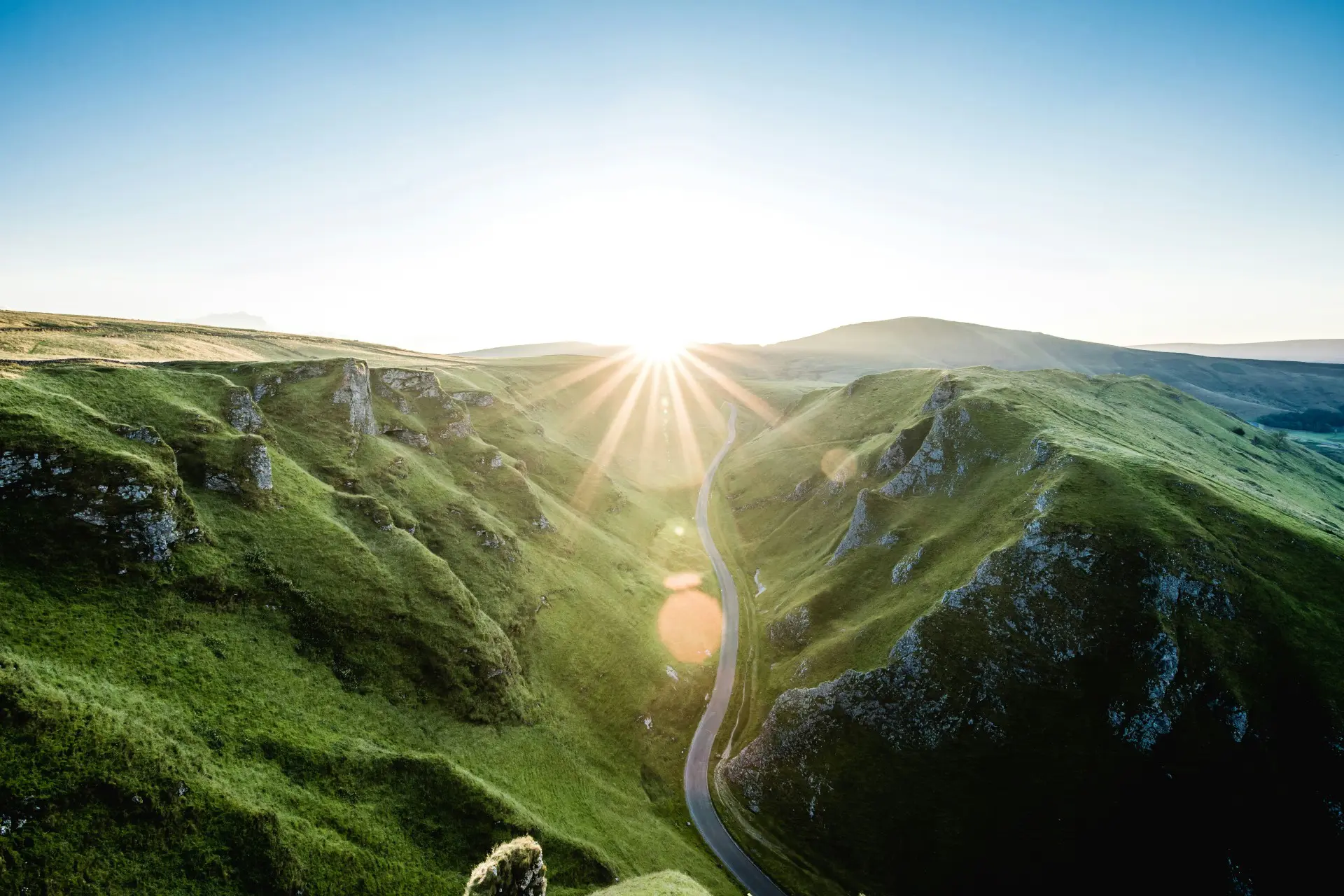
Altitude and elevation significantly affect flora and fauna by creating colder, harsher conditions with thinner air at higher heights. Mountain peaks are generally drier and support sparser vegetation than lower slopes, often featuring exposed rock, snow, and ice, especially above the treeline.
Animals adapt in several ways. Some develop larger lungs and hearts to handle lower oxygen levels, as seen in yaks. Elevated metabolic rates help produce heat in cold biomes. Many species grow thick fur, long hair, or woolly undercoats to stay warm. Research also shows that mountain-dwelling creatures may have a reduced sense of smell to cope with low-oxygen conditions.
Ocean currents act as the ocean’s circulatory system, distributing nutrients, heat, and oxygen essential for marine life. They drive ecosystems by enabling plankton blooms through vertical nutrient upwelling, transporting larvae for reproduction, influencing migratory routes for large predators, and directly providing food for filter feeders.
The nutrients in soil determine whether a plant will grow or remain stunted and also influence its structure and agricultural yield. Nitrogen promotes leafy growth, phosphorus supports root development and energy transfer, and potassium boosts overall vigor. Deficiencies in these provisions can cause stunted development, yellowing leaves, and reduced reproduction.
Nutrient availability also influencees the quality of an animal’s diet. Herbivores depend on the nourishment provided by plants. If they are grown in nutrient-deficient soil, they may not provide sufficient nutrition, affecting the creatures that consume them.
Minerals directly affect nutrient availability, soil pH, and the growth of plants and other organisms. For vegetation, magnesium is essential for producing chlorophyll, while iron supports chlorophyll synthesis and is required for electron transport during photosynthesis.
Animals obtain necessary minerals through their diet. These elements are classified as macronutrients or micronutrients, and must remain balanced. Both deficiencies and excesses can have serious, sometimes lethal, consequences.
Topography refers to the shape, elevation, and slope of land. This is a primary driver of biodiversity by dictating microclimates, water availability, and ground quality. It dictates which groups thrive in a given area by influencing temperature, sunlight, and soil moisture. North-facing slopes often support dense forests with species that need significant moisture, whereas steep, sunny southern slopes might only support shrubs and grasses.
There’s a drastic difference between the creatures living in the deep ocean and those in rivers and streams, mostly due to light penetration and oxygen levels in these aquatic habitats. The deeper the water, the less light it receives, leading to reduced biomass, shorter height, and smaller leaves. Plants are often limited to specific depth zones based on their type.
Depth also shapes vertical habitat, while high pressure forces deep-sea species to evolve specialized body structures. These organisms develop adaptations such as gelatinous bodies and unique molecules called piezolytes to prevent tissue collapse under extreme pressure.
Wildfires, floods, droughts, windstorms, and insect outbreaks are non-biological or biological events that disrupt ecosystems. It can change their structure, deplete available resources, and alter the physical environment. While often destructive in the short term, these events are often essential for long-term ecosystem health, biodiversity, and renewal. For example, grasslands benefit from occasional fires, which help maintain their structure.
Climate patterns refer to the long-term temperature, rainfall, and seasonal changes that alter ecosystems by disrupting natural cycles, forcing species to migrate, adjusting blooming and breeding times, and increasing extinction risks for sensitive populations. Plants may experience dormancy issues, while animals adapt their migration or hibernation patterns, often leading to food shortages and biodiversity loss.
Human activity influence abiotic conditions globally. Atmospheric carbon dioxide levels have risen by about 50% since the Industrial Revolution. This increase drives elevated global temperatures and shifts rainfall patterns, sea levels, and storm frequency. While humans have developed defense mechanisms, such as flood control systems and resilient urban structures, these changes have a stronger impact on ecosystems. They alter species distributions and disrupt breeding cycles. As more land is converted into urban areas, the availability of freshwater and nutrients for plants and animals decreases.
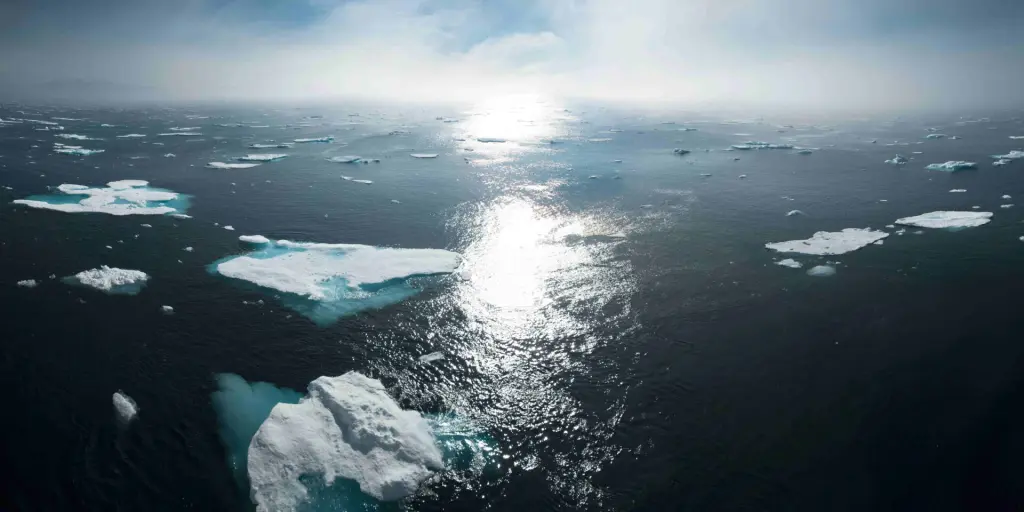
The Arctic provides a clear example. Sea ice has declined by about 12.2% per decade, affecting species like polar bears, seals, and walruses that rely on ice for hunting and breeding. Polar bears are currently facing a critical threat as the rapid loss of sea ice eliminates their hunting areas. As ice melts, they are pushed onto land, resulting in prolonged fasting, increased starvation, lower reproductive rates, and a risk of population collapse, with forecasts indicating significant declines in Arctic populations by 2100.
Local changes matter as well. Fertilizer runoff increases nutrient levels in water, leading to more frequent algal blooms. When oxygen levels drop, organisms such as trout, bass, and freshwater mussels struggle to survive, while some plankton and algae may thrive.
This sets off a chain reaction in the ecosystem. Fewer fish reduce the food available to predators like herons, otters, and larger fish. Mussels are natural filters, so their decline can lead to murkier water and more algae growth. For humans, this can affect local fisheries, recreation, and water quality, making rivers and lakes less safe for swimming or drinking without treatment. Essentially, one drop in oxygen can ripple across both nature and human use of the water.
Many people wonder how non-living elements of the environment shape the world around them. The following questions provide clear, concise answers about abiotic factors and their effects.
Abiotic factors refer to non-living elements such as water and temperature. Biotic factors include living organisms such as plants and animals. Both interact within ecosystems.
No, it is impossible for humans and most other living organisms to survive without abiotic aspects. All living things depend on water, air, and temperature to support basic biological processes.
Human activities are generally considered a distinct force affecting ecosystems, often classified as part of the “social” or “cultural” components that act upon rather than strictly being natural abiotic factors. However, its effects, such as pollution and land-use changes, alter ecological conditions, including air quality and soil composition.
Extreme conditions such as drought, floods, or high temperatures create stress for organisms. These limit growth and reduce biodiversity in affected areas.
Abiotic factors shape every ecosystem on Earth. They define where life exists and how it adapts, to the point that even a small shift in these aspects creates ripple effects. This magnifies the effects of human actions in many of these conditions, bringing new challenges and opportunities for environmental care.
A clear understanding of abiotic variables helps people make informed decisions. It also offers a practical lens for viewing environmental change. Every ecosystem reflects a balance between living and non-living elements. Recognizing that balance supports better choices for the future.