We are reader-supported. When you buy through links on our site, we may earn affiliate commission.
Every neighborhood has a master gardener who devotes themselves to planting and pruning a stunning outdoor oasis full of brightly colored flowers, delectable crops, and lush greens. Conversely, beginners may wonder how to start gardening.
There is a science behind achieving an eye-catching landscape, but it doesn’t have to be difficult. Even people without green thumbs can enjoy the wonders of gardening.
It’s OK to lean into “easy” when learning how to garden. From choosing simple plants to setting a regular irrigation schedule that fits into a busy life, anyone can create the ultimate backyard escape. These four tips can transform any black thumb into a plant specialist.
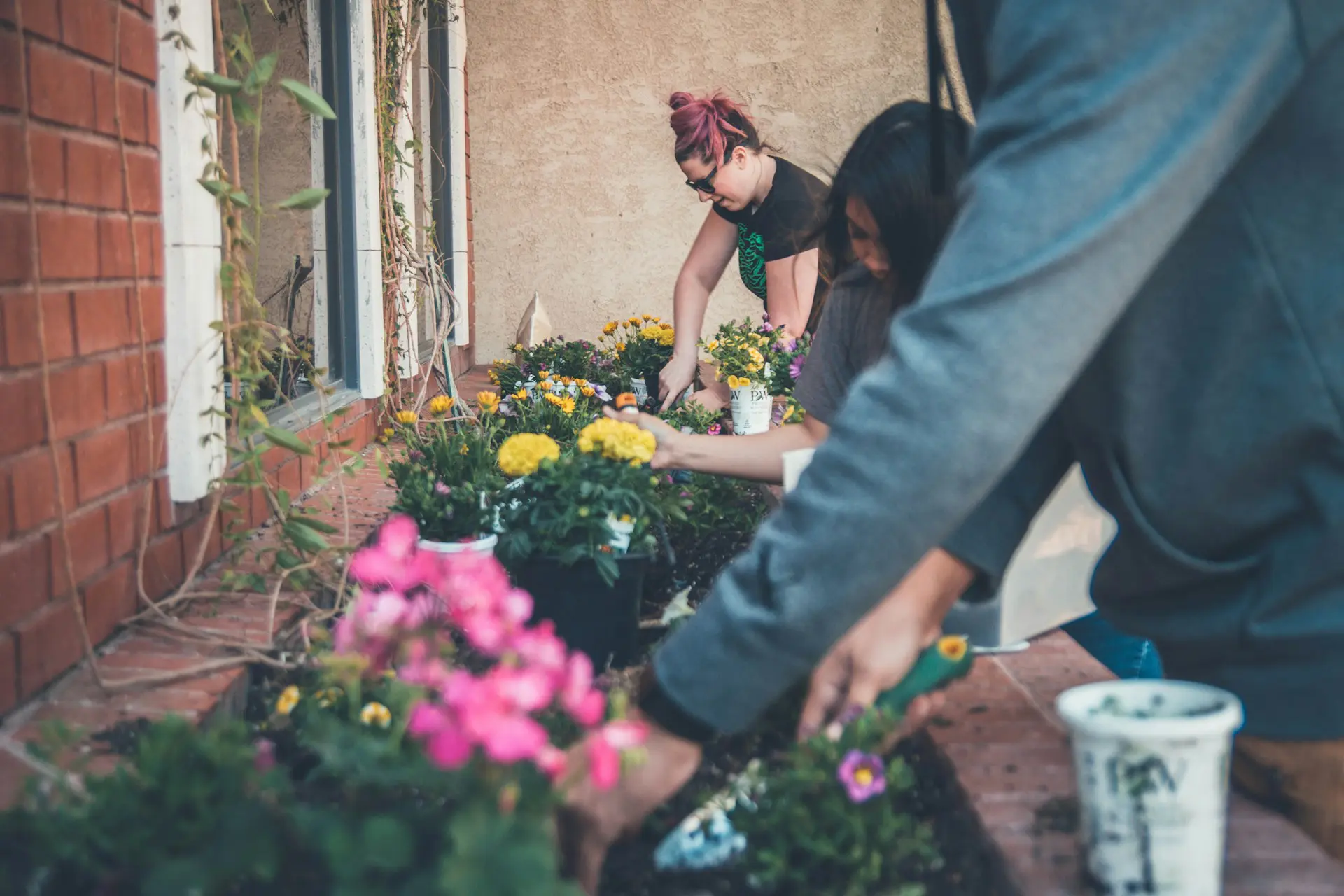
The first step for beginner gardeners is selecting manageable, hard-to-kill flowers, crops, and greenery. Many people start with marigolds, geraniums, sunflowers, petunias, impatiens, and zinnias, which create a sea of colors in garden beds.
Fresh herbs like basil, rosemary, mint, and lavender are also common. Lavender likes a sunny spot and well-draining soil. It also tends to be drought-tolerant, requiring water when the first 2 inches of topsoil are dry.
When growing crops, deciding whether they are cool- or warm-growing is crucial. Likewise, some take much longer than others to harvest. For example, asparagus takes one or two years to yield food, but it’ll return annually for 15 years as a perennial. On the other hand, green beans germinate in only seven to 10 days, with beans available for picking in under two months.
Although the general assumption is that plants require plenty of sunshine and water to flourish, they don’t need equal amounts. Some demand full sun — at least six hours of direct sunlight daily — while others require only four to six hours.
Meanwhile, partially shaded plants need only two to four hours of sunlight or less than two hours if they prefer shade.
Assessing the intended planting location at different times during the day can inform beginner gardeners of what plants to grow. They won’t want to put a shade-loving plant in an area that receives excessive sunlight, and densely shaded areas aren’t conducive to plants that need a lot of sun.
Before planting, it is crucial to remove dead vegetation, weeds, old mulch, and any other debris from the garden beds. Laying cardboard over the top solarizes the spot and kills unwanted grass and weeds.
Healthy soil is equally important. Gardeners can use a garden fork or spade to loosen the soil about a foot deep, adding compost or other organic matter to enrich it with essential nutrients. Experts also recommend testing the soil’s acidity. Ideally, plants prefer soil with a pH of 6.5, although a pH of 7 is considered most neutral.
This step enables gardeners to modify the soil to ensure the perfect growing conditions. When finished, they should thoroughly water the soil to settle it and activate the adjustments.
Some seeds can be sown directly into the ground, while others require a head start in a container for later transplanting. Seeds should be planted at depths about twice their diameter, while tiny ones can be pressed into the soil surface.
If transplanting, beginner gardeners must dig a hole about twice as wide as a plant’s root ball, loosening compacted soil. From there, they should carefully remove the plant from its container, avoiding damaging the roots, and place the root ball into the ground so it’s level with the surface. They can then refill the hole with dirt, patting gently around the plant base so it’s firm.
All plants have different watering requirements, so reading the packaging instructions for maintenance is crucial. Typically, gardeners must water twice weekly on well-drained, sandy soil. Soil comprising heavier clay or organic matter tends to hold more moisture, meaning plants only require one weekly watering.
The easiest way to determine when to irrigate is to check whether the top two inches of soil are dry. Adding compost and covering the surface with mulch are great ways to improve moisture retention and conserve water, especially during the hot summer.
Additional watering tips for a thriving garden include:
Harvesting rainwater in barrels will also help gardeners conserve resources, reduce their monthly bills, and ensure their plants have enough water during dry spells.
Although garden beds are aesthetically pleasing and enhance curb appeal, beginner horticulturists might experiment with container planting or pollinator gardens. Flower pots and raised beds are especially ideal for small backyards or apartment balconies, allowing people to enjoy the art of gardening regardless of space constraints.
Butterfly gardens are also popular and an excellent way to draw pollinators to the yard. These critters need sunlight to raise their body temperature and prefer flowers with high sugar content for food. This is an important consideration when deciding on a location and which plants to select. Zinnias, purple coneflowers, and black-eyed Susans are great options.
Additional considerations include the following:
Anyone can start gardening if they put their mind to it, whether they have a sprawling yard or a tight corner. With some patience and trial and error, growing an array of plants is a relaxing, enjoyable hobby in any season.
The Plant Hardiness Zones map indicates which plants grow best in 13 regions across the United States and Canada. The results depend on the average annual minimum winter temperature, about 10 degrees Fahrenheit colder or warmer than the next zone. Zone 1 is the coldest, while Zone 13 is the warmest.
Native plants occur naturally in a particular region, making them ideal for backyard gardens. Rather than select various non-native or exotic plants for the garden, growers should opt for these conservation-friendly varieties.
These plants require little maintenance and require little irrigation, pesticides or fertilizers. They are also more effective at storing greenhouse gases like carbon dioxide. Additionally, they entice various birds, butterflies, and wildlife, offering shelter and food.