We are reader-supported. When you buy through links on our site, we may earn affiliate commission.
Tiny homes have gone from a niche interest to a legitimate housing option many people are considering. Rising property prices have encouraged homeowners to consider their options, and smaller but well-designed living spaces continue to gain appeal. Reduced living space isn’t the only consideration people need to make before downsizing, though. There are other costs and lifestyle changes they need to weigh alongside the great ecological and financial benefits tiny homes offer.
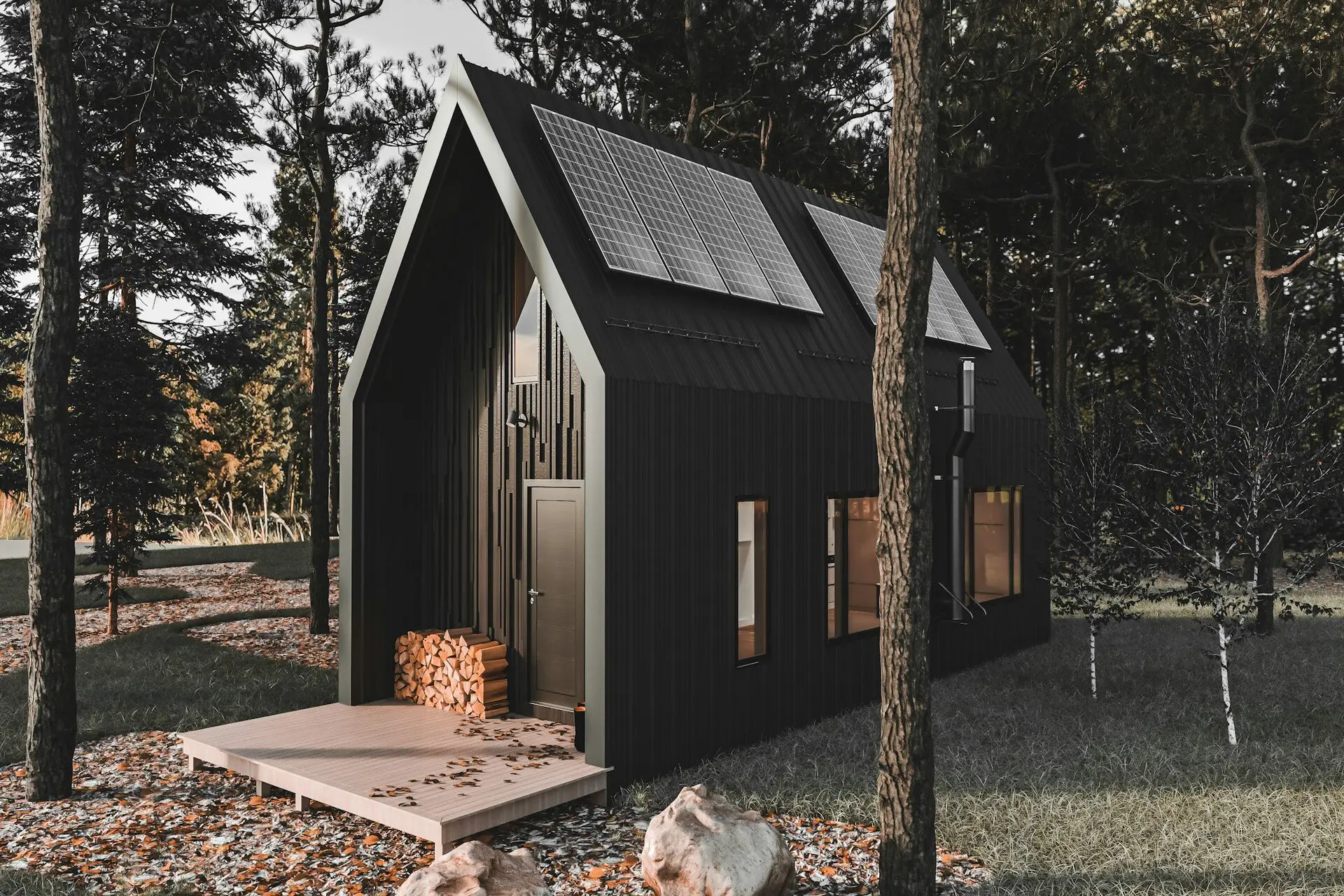
Tiny homes are defined by the International Code Council as dwellings with a floor area of 400 square feet or less. They tend to feature a kitchen, bathroom, seating area and a lofted bed, though there are many types, each with their own benefits and drawbacks.
Tiny homes on wheels (THOWs) are built on trailers, making them flexible housing options as people can travel with them. They’re often classified as recreational vehicles, meaning they face fewer zoning restrictions. However, this classification can limit where they can be used as permanent residences. Anyone interested in moving into a THOW should be sure to research all the ins and outs of how they’re classified in their region.
Foundation-based tiny homes are permanently installed on land like traditional houses. This means they often comply more easily with local building codes and can appreciate in value over time. They’re also better for people who want standard utilities and fewer design compromises, making them a viable long-term living option.
Prefabricated (prefab) tiny homes are manufactured off-site and then delivered to their final location. This approach can greatly reduce construction time and often makes prices more predictable than with custom builds. A common form of prefab tiny home is a modular home, which is manufactured in multiple parts in a factory and assembled on-site.
Shipping container homes repurpose steel containers into compact living spaces. They are known for their durability, unique industrial aesthetic and eco-friendly construction. These homes can require additional insulation, though, as well as structural modifications and careful planning to meet residential building standards.
Accessory dwelling units are small homes built on the same property as the primary residence. They are often referred to as backyard homes and are typically built for a family member or rented out for extra income.
Affordability is the biggest selling point of tiny homes for many. Some cost a fraction of the median cost of traditional houses, which was over $400,000 at the end of 2025.
Tiny homes vary in price depending on location, type and design. They typically range from $16,000 to $150,000, though some carefully managed DIY projects can be cheaper.
Land is a major expense if applicable, potentially adding tens of thousands of dollars to the investment. The cost of land can even exceed the cost of the home.
Tiny homes tend to have a similar list of utility expenses as traditional homes, but at significantly lower rates. Their utility costs typically range from $50 to $250 per month. This is considerably less than the $611 U.S. average monthly utility bill.
Hidden costs are always important to look out for when buying a property, and tiny homes are no different. Zoning regulations and building permits are particularly important to monitor, as they can vary significantly from state to state and can incur additional costs. The homes may lack adequate insulation, which can lead homeowners to spend more than expected to reach a comfortable level of warmth, as well.
Tiny homes offer a wide range of benefits that have helped turn them from a nice idea to a serious housing option for people around the world.
The up front cost of a tiny home and the ongoing utility expenses are significantly lower than the average U.S. home. This frees homeowners to spend their money elsewhere or reduce their workloads. Some pay the entire cost of the property up front, ensuring they have no mortgage and interest to worry about.
Tiny homes built on trailers offer a unique level of mobility by allowing homeowners to travel with their living spaces. This eliminates the need to spend significant amounts of money on hotels or restaurant food and can make the idea of traveling a country or continent more realistic. The flexibility of tiny homes can also make them appealing options to remote workers.
Tiny homes tend to have a much smaller environmental footprint than traditional houses, reducing ecological footprints by around 45% on average. This is especially true of those that are specifically built to be eco-friendly. Net-zero living can also lead to improved quality of life thanks to cleaner air.
Living in a smaller space naturally encourages a minimalist lifestyle. Minimalist living can reduce stress and help people find more time for themselves, potentially leading to a happier and more fulfilling life.
Tiny homes appeal to many, but few commit to living in one. Stepping out of the norm can always be a challenge, and some people worry they will regret it one day. To help potential tiny home buyers and builders decide, they should consider the following realities:
Tiny homes are cost-effective, can reduce stress through a minimalist lifestyle and make a positive impact on the environment. It is essential that prospective buyers thoroughly research zoning and legal regulations and consider how their lives will change day-to-day. These structures have proven successful for many people and will likely remain a serious option for prospective homeowners.