We are reader-supported. When you buy through links on our site, we may earn affiliate commission.
The black widow spider is often feared because it can bite and inject venom. However, these spiders are essential to the local ecosystem. Climate change is also affecting their behavior, leading to increased human interaction. Humans must learn to coexist with these arachnids, since they are a valuable player in the food chain.
Many people already know what a black widow spider is, but there are still some facts worth diving into. Black widows’ scientific name is Latrodectus mactans. The species is carnivorous, usually eating surrounding insects. The spider is solitary, not generally traveling with a group of black widows. Although females sometimes kill males after mating, this is not always the case. The female black widow typically lives for about a year, but some live up to three years.
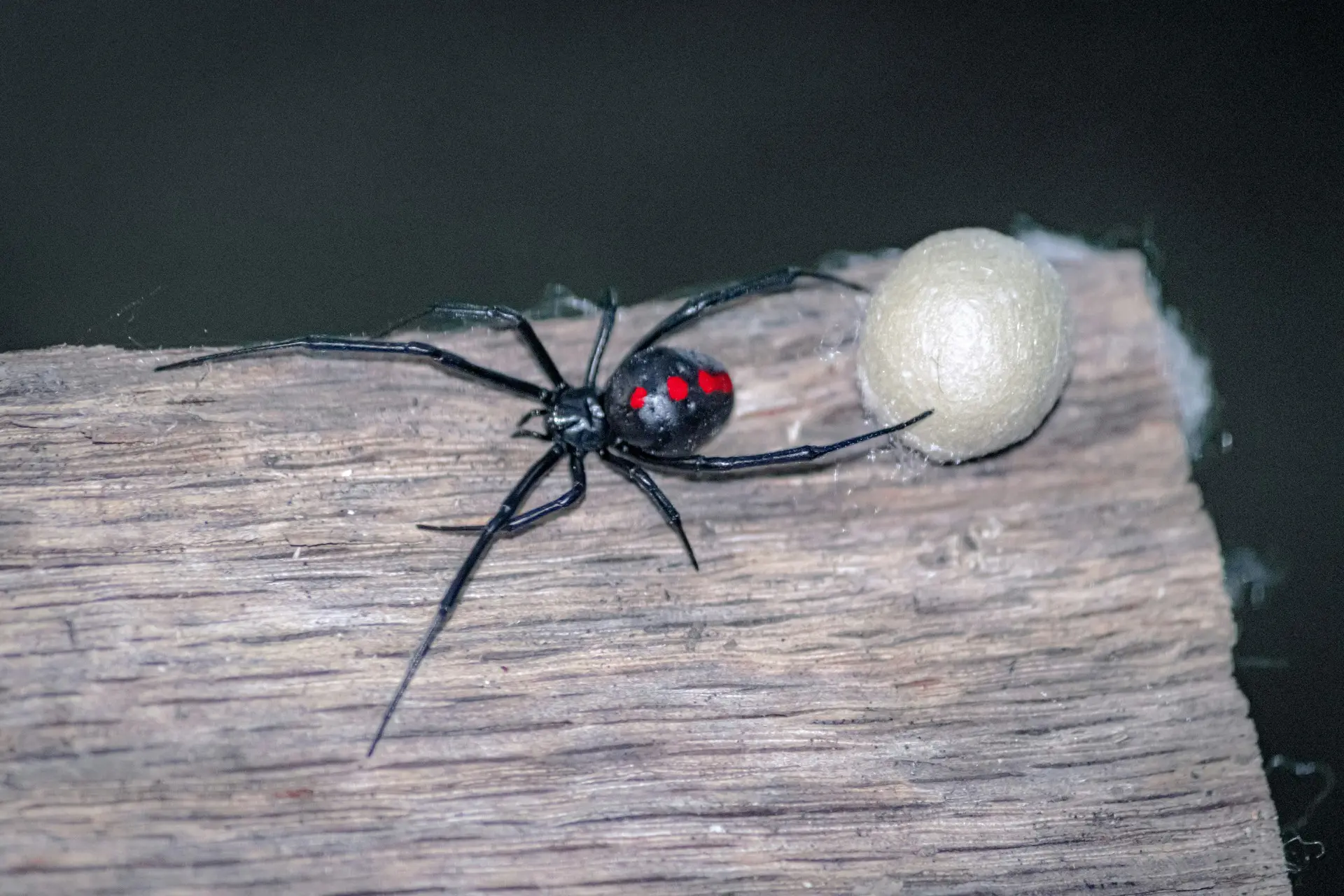
Humans have found black widow spiders throughout North and South America, but the most worrisome places are inside the home. While humans fear them because of their venom, these spiders are actually shy creatures that only bite when threatened. The spiders are typically black and often have red hourglass markings on their backs. Sometimes, homeowners unknowingly kill spiders they thought were black widows because of their similar appearance. Even though black widow spiders are widely feared, the ecosystem relies on them in many ways.
Black widows, like many predators, contribute to the surrounding ecosystem by regulating populations. In particular, they are beneficial in people’s backyards, despite being unwelcome. Black widows are major predators of agricultural pests, especially bugs that destroy crops and gardens. They also eat diseased insects, preventing them from infecting other members of the ecosystem and causing a significant issue. Despite humanity’s urge to eliminate them on sight, black widows actually help their backyard ecosystem and prevent bigger issues when left alone.
Climate change has impacted black widows’ behavior, as it has for many other species. The increasingly warm temperatures are affecting the spider population, causing young spiders to die early and hampering reproduction. Because black widows are valuable to local ecosystems, their inability to reproduce correctly can affect every other animal relying on them.
Conversely, drastic weather changes cause black widows to expand into new territories, disrupting populations and the ecosystem. While they are beneficial in the ecosystems where they belong, entering an unfamiliar environment can disrupt the local animal hierarchy. Their abundance also causes humans to see them more often, which harms their population since humans tend to kill them on sight. Climate change impacts many species, and black widows are no exception.
Since humans are more likely to see black widows in the future, knowing how to live alongside them without prematurely killing them is essential. They are valuable members of the ecosystem and benefit many animals, including humans. Pesticides and bug repellents often contain chemicals that harm the environment, so finding ways to avoid using them is beneficial. The following are some sustainable methods for dealing with black widow spiders.
Homeowners should first ensure they are dealing with actual black widow spiders. Some spiders look remarkably similar to the bug, but the key to identification lies in their webs. Black widow spiders make silky webs that they are typically always inside. There are many different types of spider webs, but the black widow’s web is a tangled cobweb. Once homeowners spot these types of webs, they can deal with them appropriately.
A better approach than killing them is to capture the black widow spiders and dispose of them outside. While the species is not endangered, needlessly killing any animal is not suitable for the local ecosystem. While they may bite if grabbed directly, there are various bug removal devices with handles and holding areas to transport them without touching or harming their delicate bodies. Holding them in a tissue often squishes them unknowingly. It is also ineffective because the spiders will undoubtedly move around and try to escape.
Since climate change is pushing spiders closer to homes, a good way to keep them out is to seal all cracks and crevices leading outdoors. Installing door sweeps underneath outside doors prevents spiders from slipping through. Also, investing in weather stripping and window screens keeps black widow spiders and other small creatures outside. They may set up webs directly outside of the home, but homeowners tend to prefer that over finding them in a bedroom or bathroom.
To prevent black widows from making easy homes, homeowners should regularly clean their houses to reduce clutter. Spiders commonly build webs in cluttered areas, such as among loose boxes and stacks of firewood. Regularly vacuuming the house, including corners and bookshelves, can help eliminate common hiding places. Anywhere there is clutter is a potential cobweb spot.
Black widows latch onto objects outside and stay on them when homeowners bring them inside, so people should check items beforehand. This route is a common way these spiders sneak into sealed homes. Bringing in firewood or transporting a bucket can lead to black widows entering houses and making cobwebs in unwanted places. A quick examination of the item before entering the house can save lots of time in the long run. If there is a spider, the next step is to remove it safely from the object.
Because black widow spiders change their behavior in response to climate change, they are a key indicator of environmental shifts. Humans see them more often due to changing temperatures, but they are not a significant threat, even though they carry venom. Being mindful of their presence and intentions can go a long way. Local ecosystems benefit from black widows because of their effective pest control, so homeowners should learn to coexist with them and remove the spiders safely when they find their cobwebs.