We are reader-supported. When you buy through links on our site, we may earn affiliate commission.
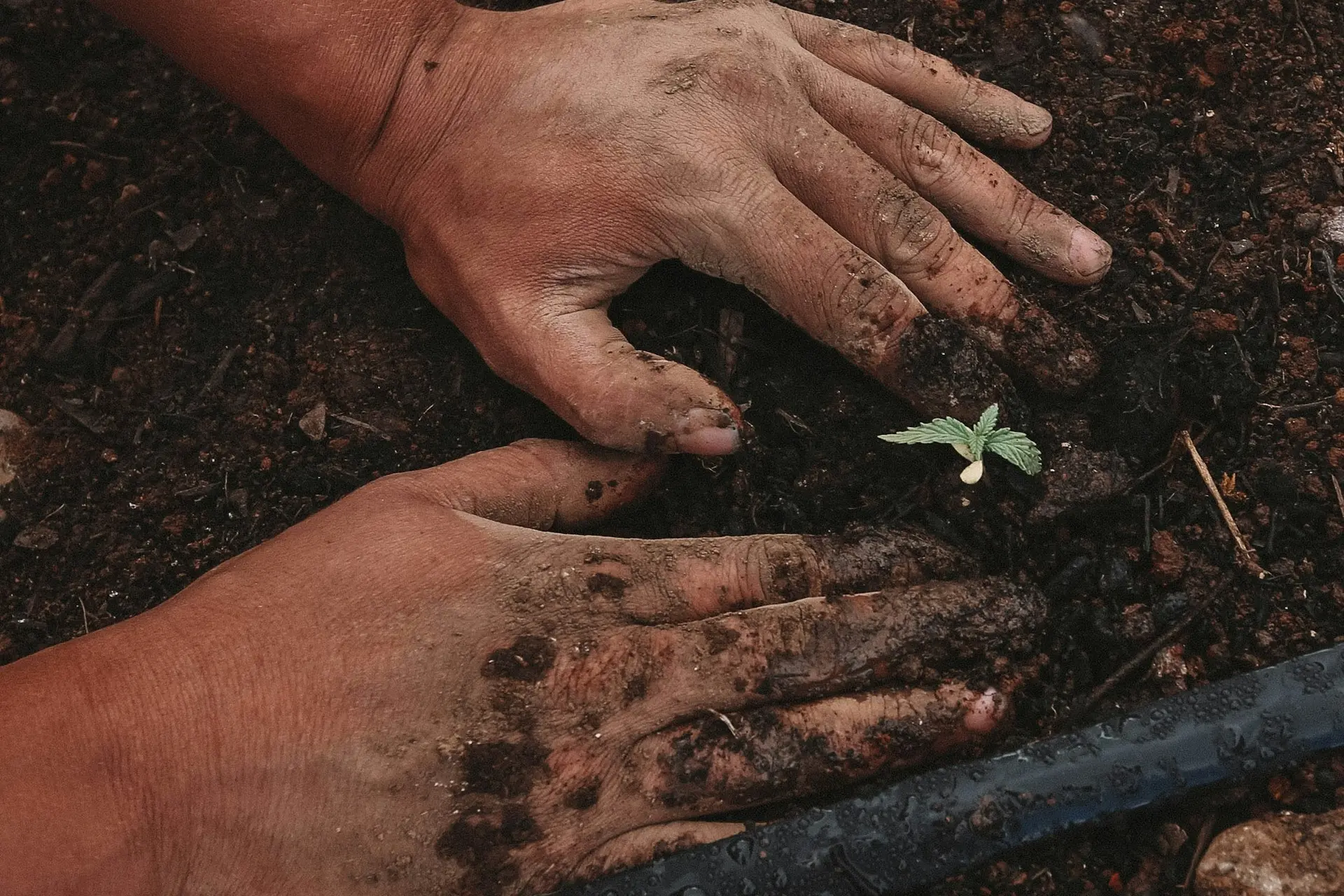
Every garden holds remarkable power. Beyond producing fresh vegetables or beautiful blooms, these plots can actively combat climate change, support biodiversity, and restore critical ecosystems. Ultimately, the secret lies in maintaining excellent soil health.
When gardeners nurture the ground beneath their feet, they contribute to widespread environmental solutions. From backyard beds to community gardens, improving earth health transforms individual green spaces into forces for planetary healing.
Soil health refers to the dirt’s ability to function as a vital living ecosystem. The more nutritional it is, the more plants, animals, and humans it sustains.
The global picture indicates an urgent crisis. Research shows that about 33% of earth worldwide is degraded, with 40% of damaged soils located in Africa. This degradation poses a risk to agricultural productivity, food security, and ecosystem function across continents as erosion increases and nutrients wash away.
Degraded dirt reduces crop yields, driving up food prices and threatening farmer livelihoods worldwide. Millions of acres of once-productive farmland become unusable each year, forcing communities to abandon traditional agricultural areas and intensifying pressure on remaining fertile land.
Earth offers tremendous hope for climate solutions through its remarkable capacity to store carbon. Healthy soil sequesters three times as much carbon as the atmosphere contains. Scientists further estimate that dirt stores 2.3 trillion tons of carbon, making it one of Earth’s largest carbon sinks.
When gardeners add compost and reduce tillage, they help lock away greenhouse gases. Each shovelful contributes to this global carbon bank, scaling backyard efforts into planetary impact when practiced across millions of gardens.
For every 1% increase in organic matter, soil can hold 16,500 gallons of plant-available water per acre. This capacity reduces runoff that carries pollutants into waterways.
Healthy earth acts as a natural filter, removing contaminants before they reach groundwater supplies. The complex structure created by organic matter and organisms traps sediments and degrades harmful substances, protecting drinking water sources and downstream aquatic ecosystems.
What appears as simple dirt actually teems with microscopic life. Studies reveal that soils host 59% of life on Earth, from bacteria and fungi to earthworms and insects.
This living ecosystem performs essential functions that sustain all terrestrial life. The U.S. Department of Agriculture identifies five critical roles that earth performs as an ecosystem, including regulating water flow, sustaining plant and animal life, filtering pollutants, cycling nutrients, and providing physical stability.
When gardeners recognize soil as a living community rather than inert matter, their relationship to the ground changes. Nurturing this biodiversity creates resilient gardens that require fewer inputs and deliver greater yields.
Soil health management begins with understanding current conditions and implementing practices that support it. These methods work together to build a thriving underground ecosystem.
Plant selection matters significantly for long-term dirt health. Native plants adapt to local conditions and support regional ecosystems with minimal inputs, having evolved alongside local organisms to create natural partnerships.
Diverse plantings encourage beneficial insects and pollinators while building biodiversity through varied root structures. Resources highlighting the best native plants for pollinators help gardeners choose species that thrive locally.
Americans generate 92 million pounds of food waste annually, with 38% of the food produced never reaching dinner plates. Kitchen scraps, yard trimmings, and plant debris become rich soil amendments through composting, feeding organisms while improving structure and water retention.
Minimizing tillage protects the dirt’s structure and preserves the fungal networks that support plant health. Frequent digging disrupts these connections, destroys aggregates, and releases stored carbon back into the atmosphere. No-till or reduced-till approaches maintain the architecture that organisms spend years creating, preserving beneficial communities that would otherwise be destroyed.
Bare soil exposed to sun and rain is prone to erosion. Organic mulches break down over time, feeding soil organisms and building organic matter while moderating temperature and retaining moisture. Cover crops planted during off-seasons provide living mulch that protects soil and prevents nutrient loss.
Investing in soil health delivers tangible benefits that gardeners notice quickly. Improved water retention means less frequent irrigation and lower bills, as a healthy earth structure allows roots to penetrate deeply and access moisture unavailable in compacted ground.
Living soil also dramatically improves plant health. When beneficial fungi and bacteria support strong root systems, plants naturally resist pests and diseases while accessing a steady supply of nutrients. The result shows in more vigorous growth, abundant harvests, and improved color and structure.
Additionally, better absorption reduces runoff that carries pollutants into waterways and storm systems. Most crucially, the garden ecosystem becomes increasingly self-sustaining over time, as diverse life can attract beneficial insects, birds, and pollinators. Native bees, butterflies, and hummingbirds, in particular, thrive in gardens with healthy earth that supports abundant blooms. A vibrant underground community creates thriving aboveground habitats, with pollinators benefiting from pesticide-free environments.
Building healthy dirt raises common questions about testing, timing, and techniques.
Beyond laboratory tests, simple observations can effectively reveal soil condition, such as squeezing a handful of moist dirt into a ball. Healthy earth holds together but crumbles easily when poked, while poor soil either falls apart immediately or forms a tight, sticky mass.
The earthworm test offers another reliable indicator. Dig 6 to 8 inches deep and count the earthworms present. If there is a bustling earthworm population, the soil is likely healthy and biologically active.
Visible improvements often appear within one growing season. Adding compost and reducing tillage produce noticeable changes in the texture and plant performance within months, with better water retention and stronger growth appearing quickly.
However, building truly rich, carbon-dense dirt takes up to six years of consistent practices. Each season builds upon previous improvements as life establishes and organic matter accumulates.
Container gardens benefit from the same soil health principles as in-ground beds. High-quality potting mix containing compost provides a foundation for beneficial organisms, while worm castings introduce nutrients in plant-available forms.
Avoiding synthetic fertilizers preserves dirt biology and encourages natural nutrient cycling. Topdressing containers with fresh compost each season maintains fertility without disrupting established ecosystems.
Every gardener possesses the power to contribute to planetary healing. Simple practices like composting, reducing tillage, and choosing diverse plantings create ripple effects far beyond backyard borders. As soil health improves, gardens sequester carbon, conserve water, and support biodiversity at scales that matter.