We are reader-supported. When you buy through links on our site, we may earn affiliate commission.
In today’s wellness landscape, people actively look for food that delivers both personal health benefits and environmental value. Chia seeds meet both expectations. These tiny seeds, derived from Salvia hispanica, have moved from niche health shops to mainstream kitchens, and for good reason. They offer a nutrient-dense, minimally processed option that supports weight management while aligning with sustainable living goals.
Chia seeds deliver a concentrated mix of fiber, protein, healthy fats and minerals. A single ounce — about two tablespoons — contains nearly 10 grams of fiber, making it one of the most fiber-rich plant foods available.
That high fiber content plays a central role in weight management. Fiber slows digestion, increases satiety and reduces the likelihood of overeating. When chia seeds absorb liquid, they expand into a gel-like texture, physically increasing stomach volume and helping people feel full longer.
They also provide plant-based protein, about 4.7 grams per two tablespoons, which further supports satiety and helps preserve lean muscle during calorie reduction.
In practical terms, this combination helps people eat less without feeling deprived, a critical factor in sustainable weight loss.
Chia seeds do not function as a “fat-burning” shortcut — and current research makes that clear. Instead, they act as a supportive food within a broader healthy lifestyle.
A 2024 systematic review of randomized controlled trials found that chia supplementation may reduce waist circumference in people with overweight, suggesting a modest benefit for body composition.
However, a separate 2025 meta-analysis reported no significant effect on body weight or body mass index.
This apparent contradiction reflects a broader scientific consensus:
In other words, chia seeds contribute to weight management. However, they do not replace fundamental habits like calorie balance and movement.
Modern nutrition increasingly recognize the gut microbiome as a key player in metabolism and appetite regulation. Chia seeds actively support gut health in two ways.
First, their fiber promotes regular digestion and reduces bloating. Second, they act as a prebiotic, feeding beneficial gut bacteria. A healthier gut environment may improve how the body processes food, regulates hunger hormones and stores fat.
For individuals struggling with inconsistent digestion or cravings, this indirect benefit can be just as valuable as calorie reduction.
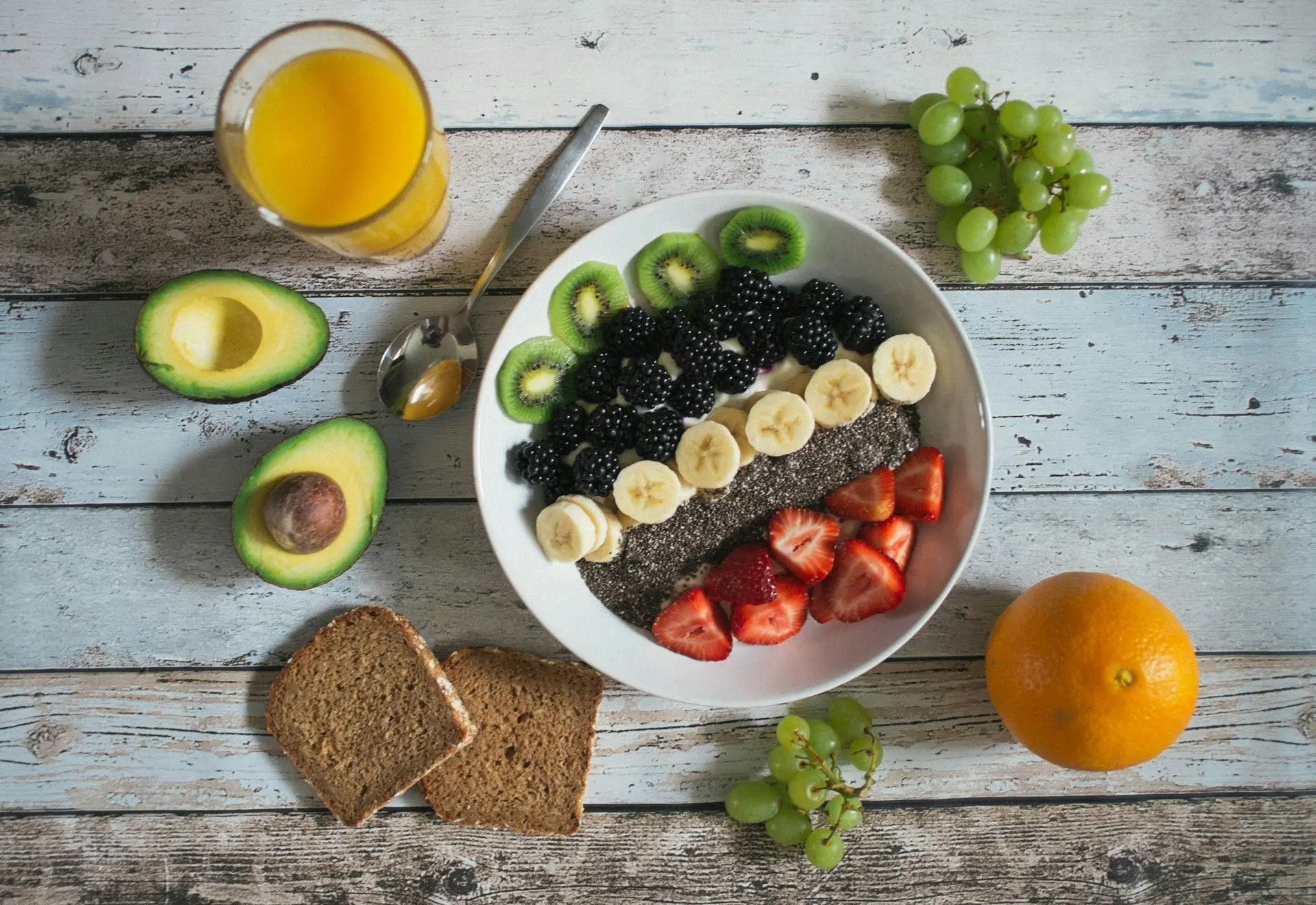
Many weight-loss strategies fail because they demand extreme dietary changes. Chia seeds succeed because they integrate easily into existing routines.
People can:
This flexibility reduces friction. Instead of replacing familiar meals, individuals enhance them — making healthy eating more sustainable over time.
Weight management often fails when energy levels fluctuate dramatically. Highly processed foods can spike blood sugar, leading to crashes, cravings and overeating.
Chia seeds help regulate this cycle. Their soluble fiber slows carbohydrate digestion and reduces rapid glucose spikes. Emerging evidence supports this effect. Chia seeds can improve glycemic markers such as fasting blood glucose and insulin response.
This stabilizing effect supports more consistent energy throughout the day. For working professionals and active adults, that translates into fewer cravings, better focus and improved dietary control.
Modern weight-loss culture often promotes highly processed solutions, such as protein bars, powders and supplements. Chia seeds offer a different path. They are minimally processed, free from artificial additives and naturally nutrient-dense. These qualities make them a strong example of whole-food nutrition, where simplicity replaces complexity. Chia seeds matter for people seeking long-term health rather than quick fixes.
Chia seeds are easy to use. However, proper preparation matters. Experts recommend:
Dry chia seeds can absorb significant liquid and may cause discomfort if consumed improperly. Hydrating them beforehand enhances both safety and nutrient absorption.
Chia seeds also appeal to environmentally conscious consumers. Compared to many modern food sources, they require relatively low agricultural input.
Chia plants:
This resilience reduces environmental strain and supports more sustainable farming systems. As climate pressures intensify, crops such as chia offer a practical alternative to resource-intensive foods.
Additionally, chia seeds store well without refrigeration, reducing food waste and energy use across supply chains. Their long shelf life makes them both convenient and environmentally efficient.
Most chia seeds come from Latin America, where agriculture supports local economies. When companies source responsibly, chia production can benefit small-scale farmers and rural communities.
However, demand growth raises important questions about land use, labor conditions and export practices. Consumers can influence this system by choosing brands that prioritize:
This approach ensures that the benefits of chia extend beyond individual health to global communities.
Chia seeds represent a broader shift in how people approach food. Consumers increasingly want choices that support both personal well-being and environmental responsibility.
Chia seeds meet that demand by offering:
They do not promise dramatic, instant weight loss. However, they support the systems that enable sustainable weight management.
Chia seeds work best when used as part of a balanced, realistic approach to health. They help control appetite, stabilize energy and support digestion, all essential components of weight management. At the same time, they align with more sustainable food systems, offering a low-impact alternative to heavily processed or resource-intensive options.
For individuals navigating both health goals and environmental concerns, chia seeds provide a rare dual benefit. They demonstrate that effective nutrition does not require extremes. It requires consistent, informed choices that add up over time.