We are reader-supported. When you buy through links on our site, we may earn affiliate commission.
You have likely heard of chia seeds because you already incorporate them into your diet, or because of their supposed health benefits. Chia seed benefits range, and knowing their ins and outs might encourage you to incorporate them more into your diet. Are they an actual superfood, benefitting everything from mental to physical health, or are their advantages more selective? Learn the facts and science behind them.
While most foodies and workout aficionados online focus on protein, fiber is a heavily underrated facet of a healthy diet. It helps with digestion and blood sugar control, and chia seeds have a high amount per portion. One ounce of chia seeds contains 9.8 grams of fiber, which is about a third of the recommended daily intake for an adult. Between 7% and 15% of this is soluble.
Many people struggle to get their daily fiber because many diets lack fiber-rich foods. Try and find creative places to put even a tablespoon, because it will nourish your gut and colon. If you’re taking a fiber supplement, you could easily remove it from your daily routine in favor of this whole food instead.
What is so special about omega-3s? There are several of them, designated based on their source, and they all contribute to a functioning, healthy brain and body. They do so much, including helping cell structure, enhancing cardiovascular performance, and boosting endocrine system processes. In chia seeds, there are about five grams per serving.
Most of the time, people consume this as a supplement, and it is derived from fish. However, if you want to eliminate animal-based products from your diet to reduce your carbon footprint, or you already have, then chia seeds are a vegan-friendly option for omega-3s. The most abundant omega-3 fatty acid in chia seeds is alpha-linolenic acid (ALA), which is exclusively found in plants.
It may not compare to a chicken breast or seitan, but per serving, chia seeds offer a fair amount of protein. There are about 4.7 grams per ounce, so you can’t build an entire bodybuilding diet around them, but they’re a convenient way to incorporate more plant-based protein into meals. This is vital for those who exercise regularly or have an active job. Incorporating more protein is crucial for repairing microtears in muscles that naturally appear when you put them under stress. You will heal faster if you have more available sources in your diet.
There are many micronutrients in chia seeds that contirbute ot a more well-rounded diet, including magnesium, iron, and phosphorus. However, it is also rich in calcium, which directly supports bone health. Calcium is also important for strong nerves and muscles, so it is working overtime. Depending on how many chia seeds are in your meal, it could contain more calcium than a glass of dairy milk. For every 100 grams, there are 595 milligrams of calcium.
You have likely heard of the rich antioxidants in foods like blueberries, but they are also abundant in chia seeds. In short, antioxidants combat harmful molecules called free radicals in the body. These could cause harmful effects over time, such as damaged cells and DNA. Some antioxidants include vitamins C and E.
Fortunately, chia seeds contain plenty of antioxidants to help keep your body well-protected against free radicals. They include:
Even if you have never heard of them, these are powerful compounds for preventing severe health conditions, such as cancer, Alzheimer’s, and diabetes. It is also great for maintaining clear and youthful-looking skin.
When people think about chia seed benefits, their mind typically defaults to the health side of things. However, there are other, big-picture advantages to eating chia seeds. First, they are a part of many eco-friendly diets.
They are easy to grow because they are drought-resistant and need little water to survive. This gives countless farmers more options on what to grow, especially if they are struggling. From a water conservation perspective, it is a wonderful choice, as it preserves essential natural resources, especially in areas riddled with water scarcity.
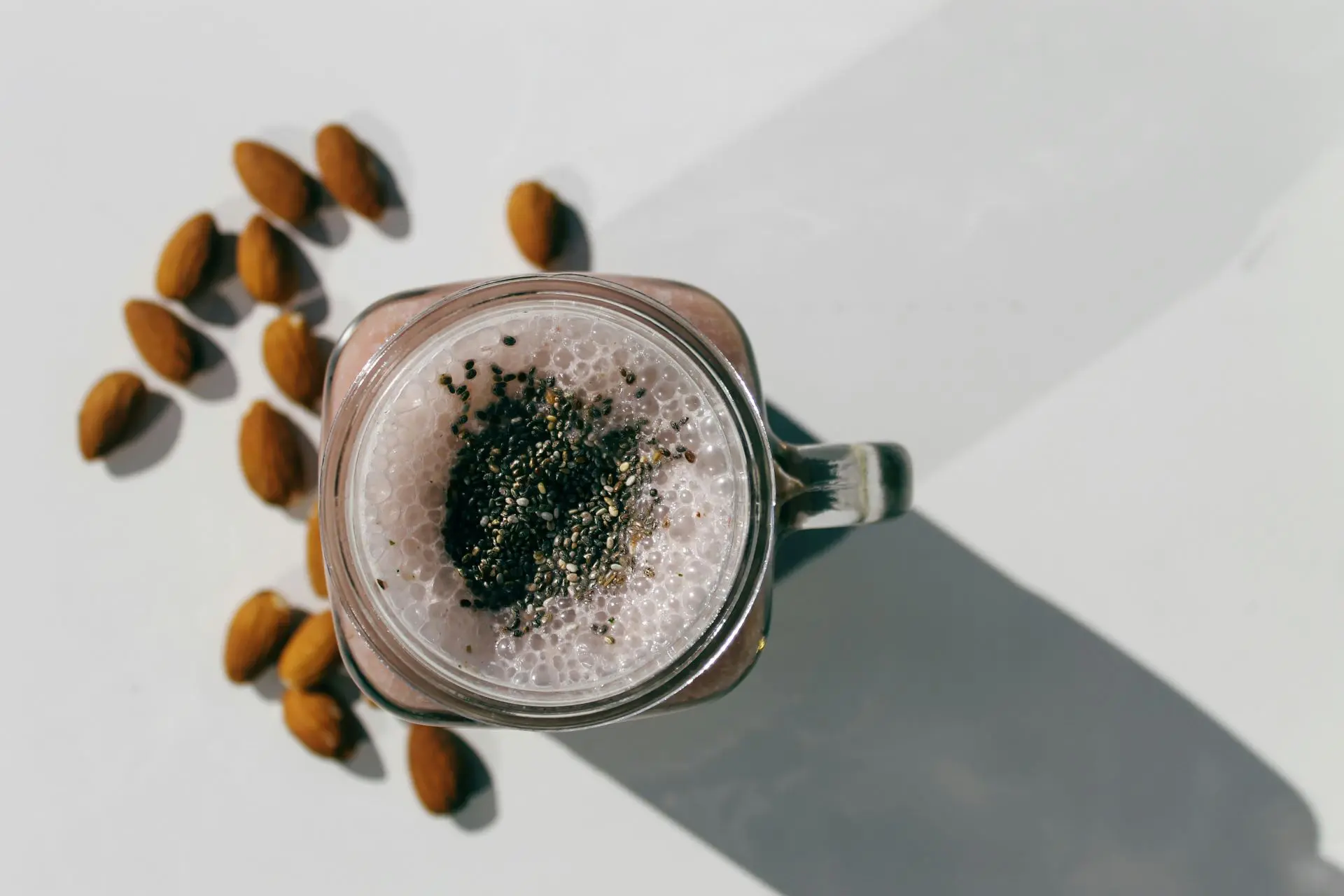
Do you often feel snacky at random times? Could your meals feel a little bit more filling, even though they are full of calories and nutrients? Chia seeds are a fascinating food, especially when combined with liquid, as they expand and improve feelings of satiety. It is a common practice to add them to beverages.
You could add it to something like tea without affecting the flavor. This can make you feel fuller for longer. Because of their additional health benefits and the fact that they replace a potentially less nutritious snack, chia seeds could be used for compassionate weight management.
When changing your diet, you don’t want to adopt a completely new regimen that takes hours of mental and physical effort. This is not sustainable and could lead to your diverting from a healthy regimen faster than you tried to incorporate it into your routines. Chia seeds require little to no preparation and are easy to incorporate into countless meals. They also add minimal to no flavor — only texture. Here are a few ideas to get you started, but feel free to experiment:
There is a lot of misinformation online, especially about food products that promise so many health benefits. Fortunately, many of the claims about chia seeds are true. They are well-researched, and it seems health professionals are continuing to investigate this excellent source of fiber and omega-3s. Incorporating a small amount into your diet will not make you live forever, but it will definitely encourage a healthier lifestyle.