How Many Tigers Are Left in the World? And Other FAQ
We are reader-supported. When you buy through links on our site, we may earn affiliate commission.
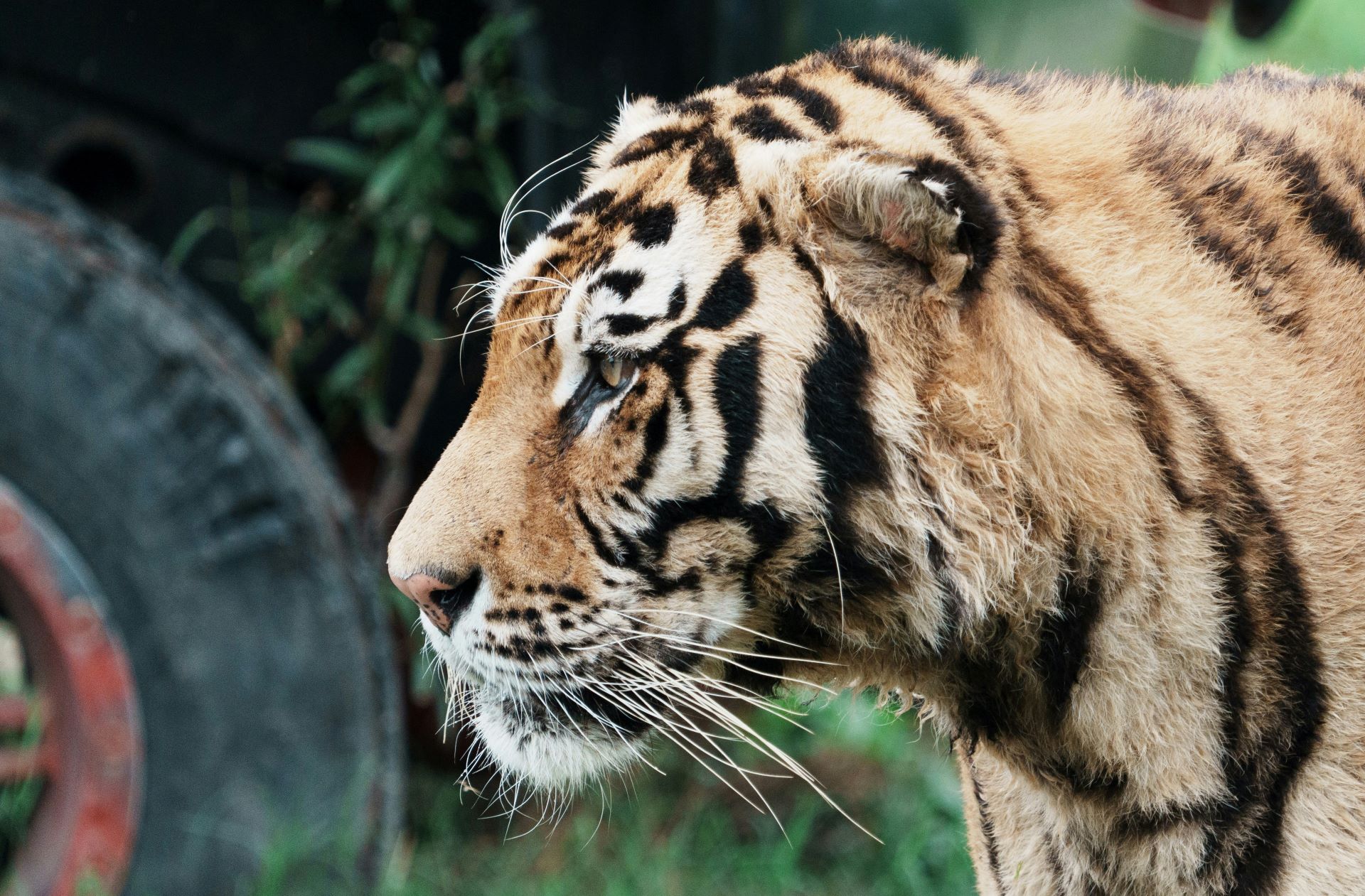
Of the many beautiful creatures roaming this earth, few are more iconic and fearsome than the tiger. Unfortunately, climate change and human influences have thinned their numbers. There are fewer every year, so exactly how many tigers are left in the world, and how much should people worry about their survival?
How Many Kinds of Tigers Are There?
There are a total of six subspecies of living tigers, with three having already gone extinct. These are the ones humans are aware of and their current status.
| Living | Extinct |
| Sumatran tiger South China tiger Indochinese tiger Malayan tiger Bengal tiger Siberian (Amur) tiger | Bali tiger Caspian tiger Javan tiger |
Each species exists in various states of population robustness, depending on its location.
How Many Tigers Are Left in the World?
Six living subspecies are not a lot to go on. As of 2025, there are an estimated 4,500 left in the wild, with over 13,000 others held in captivity across Asia and the U.S. These numbers vary widely, but it is a major reduction compared to their numbers over the years. Habitat loss is the primary reason thousands of tigers have died, with human activity being the top contributing factor to their struggles.
Will Tigers Ever Go Extinct?
Several species have already gone extinct, so it is not unlikely that others could follow suit. Some only have several hundred remaining. To save tigers, it is essential to stop the most significant threats. These are the most prominent, though there are many other influences:
- Lack of genetic diversity
- Loss of prey and food chain disruption
- Minimal public knowledge and awareness
- Human-wildlife struggles
- Lack of policy and enforcement
- Species fragmentation and habitat loss
- Political conflict
- Poaching and illegal trade
- Spread of infrastructure and urbanization
- Climate change stressors
What Is the Rarest Tiger?
Of the remaining subspecies, the most at-risk tigers are Malayan cats. It is estimated that only a hundred mature tigers, give or take, still exist today. Every other subspecies is listed on the International Union for Conservation of Nature (IUCN) Red List as either critically endangered or endangered. If action does not occur soon, almost all tigers could be lost within decades.
Another rare tiger is the Sumatran tiger, which is the only one left in the Sunda Islands. Previously, the Bali and Javan tigers thrived there as well. However, they have been extinct for a long time.
How Many Tigers Existed 100 Years Ago?
In 2016, optimistic headlines became prominent that tiger numbers were finally increasing for the first time in a long time. Many highlighted the win against the cold-hard reality of a century past. Around 1900, there were approximately 100,000 tigers roaming the wilds freely. In 2010, there were 3,200.
It is essential to know that the climate was vastly different back then, and industrialization did not put as much pressure on their habitats. As these phenomena spiral out of control, taking more resources from the planet, they displace and kill even more of the world’s more vulnerable species. While zoos and other organizations are doing what they can to repopulate, it would take immense collaboration and public interest to restore tigers to their numbers in the 1900s.
What Is the Coolest Thing a Tiger Can Do?
If you want to deepen your appreciation for the tigers that remain, these are the top fun facts about tigers:
- They have been around for over two million years.
- Their toe pads are incredibly soft, helping them hunt stealthily.
- They typically eat only once a week on average.
- They love to talk and vocalize with snarls, hisses, and more.
What Is the Tiger’s Biggest Enemy?
The most threatening predators to tigers in the wild are animals such as crocodiles, elephants, and bears, among a few others. Tigers possess such immense strength and incomparable speed that they often outpace their competitors. However, sometimes they can be outmatched by another terrifying animal.
However, in reality, the biggest enemy to tigers is humans. Illegal poaching and the animal trade have made almost every part of a tiger extremely valuable on black markets. Their bones, fur, teeth and other parts are used for food, medicine, decorations, and fashion. Many environmentalist organizations seek to make these operations illegal. Even in places where they are prohibited, communities still strive to get these materials to those willing to pay for them. Better enforcement of these laws is necessary for contributors to take them seriously.
What Is the Largest Tiger Alive Today?
The Siberian tiger is the largest of the living tigers. They can be up to 11 feet long and clock in at a hefty 700 pounds. Most of them are found in Asian nations, like Russia, Korea, and China. Imagine these towering beasts bolting toward their prey — they certainly make an impression.
What Can I Do to Help Tigers?
Tigers are some of the most majestic creatures on the planet, and they deserve as much respect as any other living thing. The best way to protect them is to raise awareness about their struggles and challenges. Many are naive to how few tigers remain, especially when they are so common in captivity. It gives people a false sense of reality, making them believe there are more than there are. However, boosting the numbers in the wild is essential for restoring these species.
Additionally, you can volunteer at local wildlife sanctuaries and organizations to learn about their efforts to protect tigers. They could be advocating for legislation or sourcing grant money to help care for the tigers they have in captivity. There are many ways you can help, but it all begins with being curious and caring.
Learn How Many Tigers Are Left in the World Before They’re Gone
While there aren’t that many tigers left in the world, there is no reason to lose hope. Conservationists and zoologists are working diligently to preserve these beautiful creatures, as they are fascinating to study and play a vital role in ecosystems. Spread awareness of the issues hindering these populations from flourishing, so populations can climb again.
Share on
Like what you read? Join other Environment.co readers!
Get the latest updates on our planet by subscribing to the Environment.co newsletter!
About the author

Steve Russell
Steve is the Managing Editor of Environment.co and regularly contributes articles related to wildlife, biodiversity, and recycling. His passions include wildlife photography and bird watching.