We are reader-supported. When you buy through links on our site, we may earn affiliate commission.
The 2010 Deepwater Horizon oil spill was one of the most significant environmental disasters in U.S. history, leaving a toxic, indelible mark on the Gulf of Mexico. As a jewel of biodiversity, restoration has been a priority for supporting marine health and human industries.
Although some species have made a tremendous comeback, others face a perilous future in an ecosystem that is forever changed. This has only underscored a recovery story that is of profound complexity and resilience.
The Deepwater Horizon disaster occurred on April 20, 2010, with a catastrophic explosion that killed 11 rig workers. Throughout the 87-day ordeal, 134 million barrels of oil seeped into the Gulf of Mexico before it was capped on July 15, 2010.
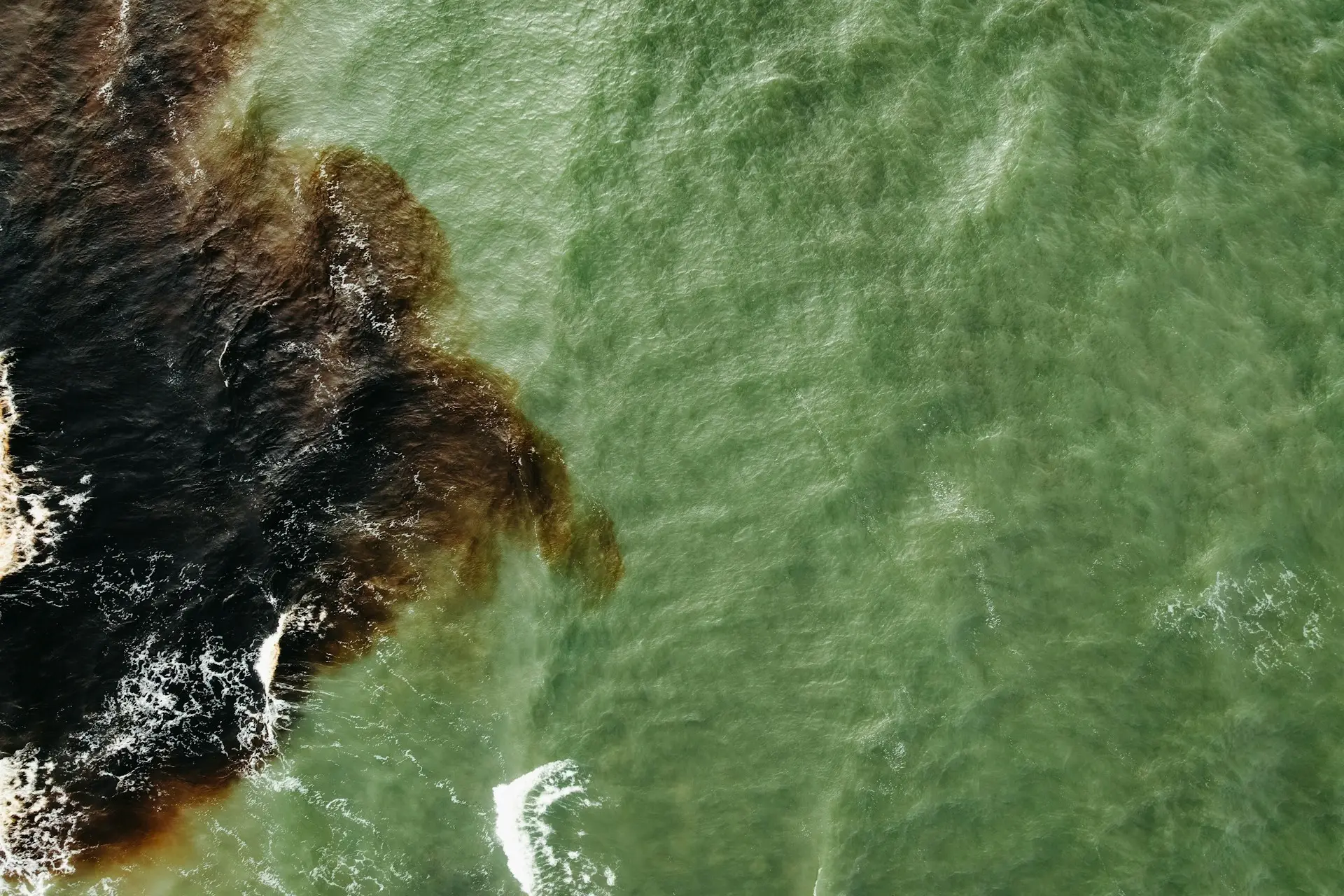
In the immediate aftermath, swaths of marine species and wading birds suffocated from the slick oil, while tar balls and crude oil washed ashore on hundreds of miles of coastline. It didn’t help that over 1 million gallons of dispersant were released with it. One study suggests this made the oil 52% more toxic and more difficult to remove.
The spill had devastating impacts on the surrounding regions’ tourism and fishing industries, on which coastal communities depended. Today, the Deepwater Horizon oil spill remains the most damaging, with scientists continuing to study its long-lasting toxicological effects.
The Gulf of Mexico’s road to recovery following the oil spill has been rife with ups and downs. On the one hand, many species and habitats have stabilized thanks to tireless conservation efforts. However, progress has been tragically uneven.
The brown pelican has made a breathtaking comeback, with restoration efforts extensively focused on improving nesting grounds. This has been most apparent in places like Louisiana’s Queen Bess Island.
With the funds from the Deepwater Horizon settlement, conservationists expanded Queen Bess Island from five to 37 acres, creating new habitat for brown pelicans, laughing gulls, and royal and sandwich terns. In 2023, visitors observed 30,000 birds and 6,000 brown pelican nests, doubling the number seen in 2010.
The National Oceanic and Atmospheric Administration (NOAA) has also spearheaded several large-scale restoration efforts for coastal marshlands and vital oyster reefs. The agency has worked alongside partners in Alabama, Florida, Louisiana, Mississippi, and Texas to manage and monitor the Gulf’s recovery.
For every success story following the disastrous oil spill, there have been significant setbacks. Researchers estimate that 4,900 to 7,600 large juvenile and adult sea turtles died during the spill, as did 56,000 to 166,000 small juveniles and 35,000 hatchlings. All impacted species were listed as threatened or endangered. Since the Deepwater Horizon explosion, Kemp’s ridley nests have fluctuated.
From March 2010 to July 2014, 1,141 dolphins died, with many showing a 35% greater mortality, 46% higher poor reproduction and 37% greater chance of health problems. Scientists believe it could take 39 years for dolphins to recover in the Barataria Bay alone.
The Rice’s whale has had the greatest difficulty in recovering, with fewer than 100 individuals left worldwide and only 50 remaining in the Gulf of Mexico. While researchers have learned a lot about the whales since the disaster, their recovery is hindered by habitat loss, vessel strikes, noise pollution, entanglement and climate change.
The historic multi-billion-dollar settlement with BP has enabled the Gulf’s recovery, funding cleanup and large-scale, science-based restoration initiatives. A network of state and federal trustees — including the NOAA and the Gulf-wide RESTORE Council — allocates funds to critical projects.
In Louisiana, for example, conservation efforts include rebuilding barrier islands in the Terrebonne Basin to create new habitat. Other projects have created thousands of acres of new marshland in the Barataria Basin. Scientists also focus on wildlife protection, such as implementing new bycatch-reduction technologies to safeguard sea turtles. Another method uses advanced monitoring technologies to monitor the long-term health and recovery of vulnerable species in the Gulf region.
The Gulf of Mexico is at a crossroads amid financial and scientific uncertainty. The billions of dollars from the settlement that have funded restoration for over a decade are set to run out in 2026, threatening the long-term viability of ongoing projects.
Additionally, scientists are still uncovering the true scope of the Deepwater Horizon disaster. Research has shown that the oil and dispersants have caused long-lasting harm to deep-sea corals, disrupted the Gulf marine food web and impaired marine species’ reproductive health.
A 2020 report from the National Wildlife Federation stated that 21 dolphin and whale species in the Gulf still had quantifiable injuries from the event, while bottlenose dolphins in the Barataria Bay and Mississippi Sound could see their populations cut in half. Meanwhile, erosion rates doubled across 100 miles of Louisiana shoreline, while the sustainability of oysters remains at risk in the Gulf.
The Gulf of Mexico hasn’t fully recovered from the Deepwater Horizon oil spill, despite signs of extraordinary ecosystem resilience. While targeted restoration efforts have helped various populations rebound — such as that of the brown pelican — others continue to struggle.
Deep-sea corals and various marine mammals, including the endangered Rice’s whale, continue to face long-term health impacts and high mortality rates.
Despite the widespread destruction caused by the Deepwater Horizon oil spill, oil and gas drilling continue in the Gulf of Mexico. In November 2025, the Trump administration proposed 34 offshore lease sales over five years, spanning 1.27 billion acres — seven of these potential leases are in the Gulf of Mexico.
The move is controversial and sparks a debate between the economic importance of domestic energy production and the inherent ecological risks associated with drilling. A report by the Center for Biological Diversity suggests that the new offshore leasing program could result in 4,232 oil spills in U.S. waters.
Species recovery rates vary because of biology and habitat. Those with short lifespans and rapid reproductive cycles tend to rebound more quickly, especially because initiatives have dramatically helped restore their nesting grounds.
Slower-growing species — such as deep-sea corals — could live for hundreds of years. However, they are unable to recover from the widespread damage. Others have had to endure chronic health conditions and reproductive failure that have hindered their numbers.
While the Gulf’s recovery may seem overwhelming to one person, supporting conservation organizations working on restoration projects can make a difference.
Purchasing sustainable seafood, participating in beach cleanups and reducing your personal carbon footprint also help lessen the environmental burdens on the ocean.
The Gulf of Mexico’s plight demonstrates an unyielding spirit against overwhelming odds. Evidence of resilience shines through in restored marshes and rebounding bird populations, giving hope for the future. However, deep-sea scars from the Deepwater Horizon oil spill remain, highlighting significant challenges that lie ahead. If anything, the event taught a painful but essential lesson on the actual cost of energy demands, cementing the collective responsibility to safeguard the planet’s delicate blue lifeline.