Are Cats and Dogs Bad for Wildlife?
We are reader-supported. When you buy through links on our site, we may earn affiliate commission.
Dogs and cats have been humanity’s closest companions for many years now. Pet parents worldwide love their animals as parts of their families, but the local wild animals might not enjoy their presence as much. Are cats and dogs bad for wildlife?
How Cats Can Affect the Backyard
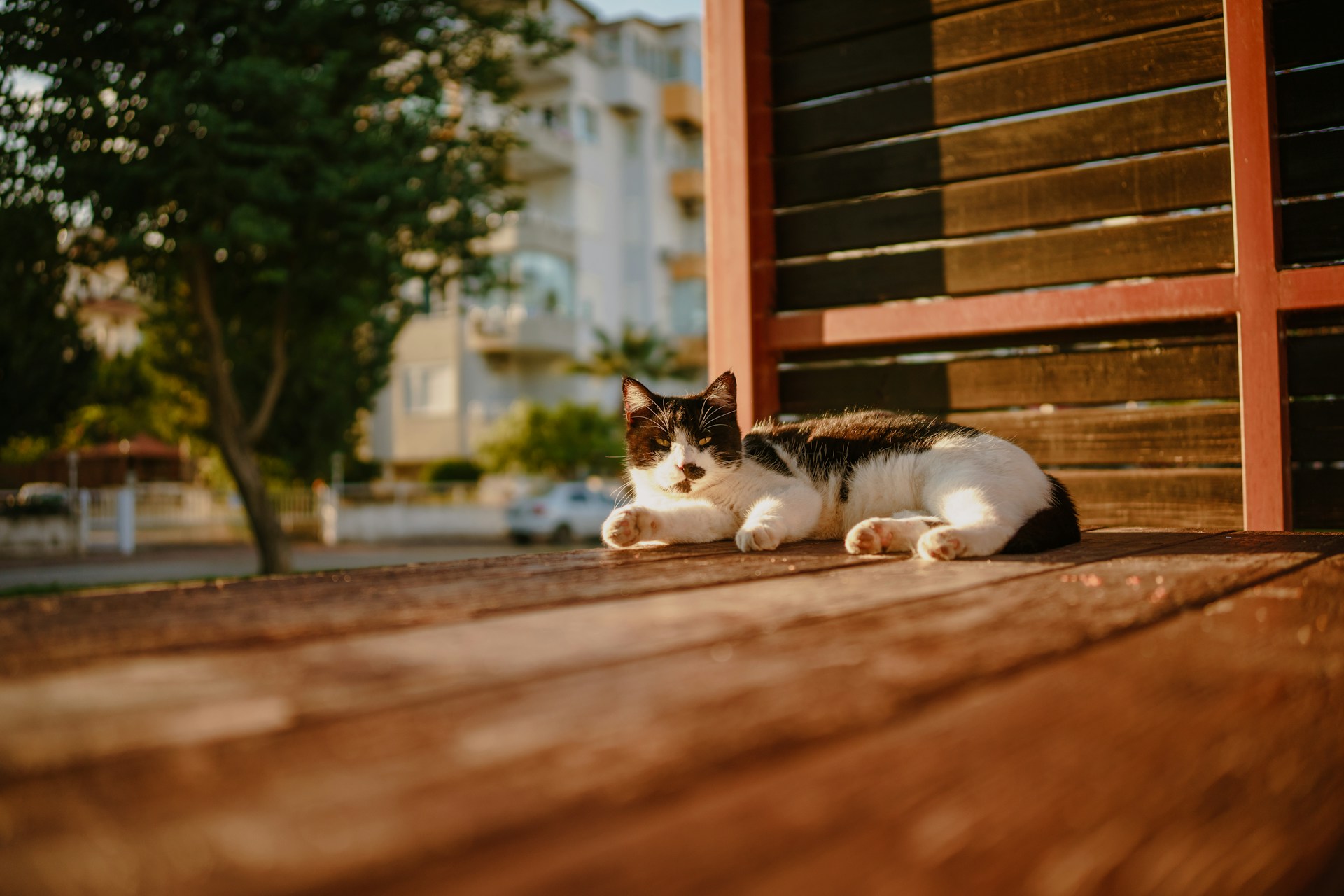
A cat may be someone’s favorite little biscuit maker, but those sharp teeth and claws have a purpose beyond surprise attacks during petting sessions. Whether they let their cat outside for a few hours a day to allow them to come and go as they please, they can rack up a kill count rather fast. Cats are natural predators, so they’ll kill prey even if they’re not looking for a meal.
Both free-roaming pets and house cats tend to hunt birds, rabbits and lizards, and the results are staggering. Per year, free-roaming cats kill 1.1 billion amphibians and reptiles, 4 billion birds, and 22.3 billion mammals. They have also been found responsible for the extinction of at least 63 mammal, reptile and bird species. Even an outdoor cat being in an ecosystem with a bird can disturb its ability to defend itself and forage to feed its young.
Not to mention, being outside is dangerous for them, too. A study from 2020 found that cat remains were present in 20% of coyote scat in urban areas, while suburban coyotes had 4%. When they live outside, their lifespans are much shorter — 2-5 years compared to an indoor cat’s 10-20 years. Consuming infected raw meat or rodents can cause the disease toxoplasmosis, while accounting for rabies, fleas and ticks is a must. There’s also the possibility of contracting the feline leukemia virus.
The Ways Dogs Can Impact the Nearby Environment
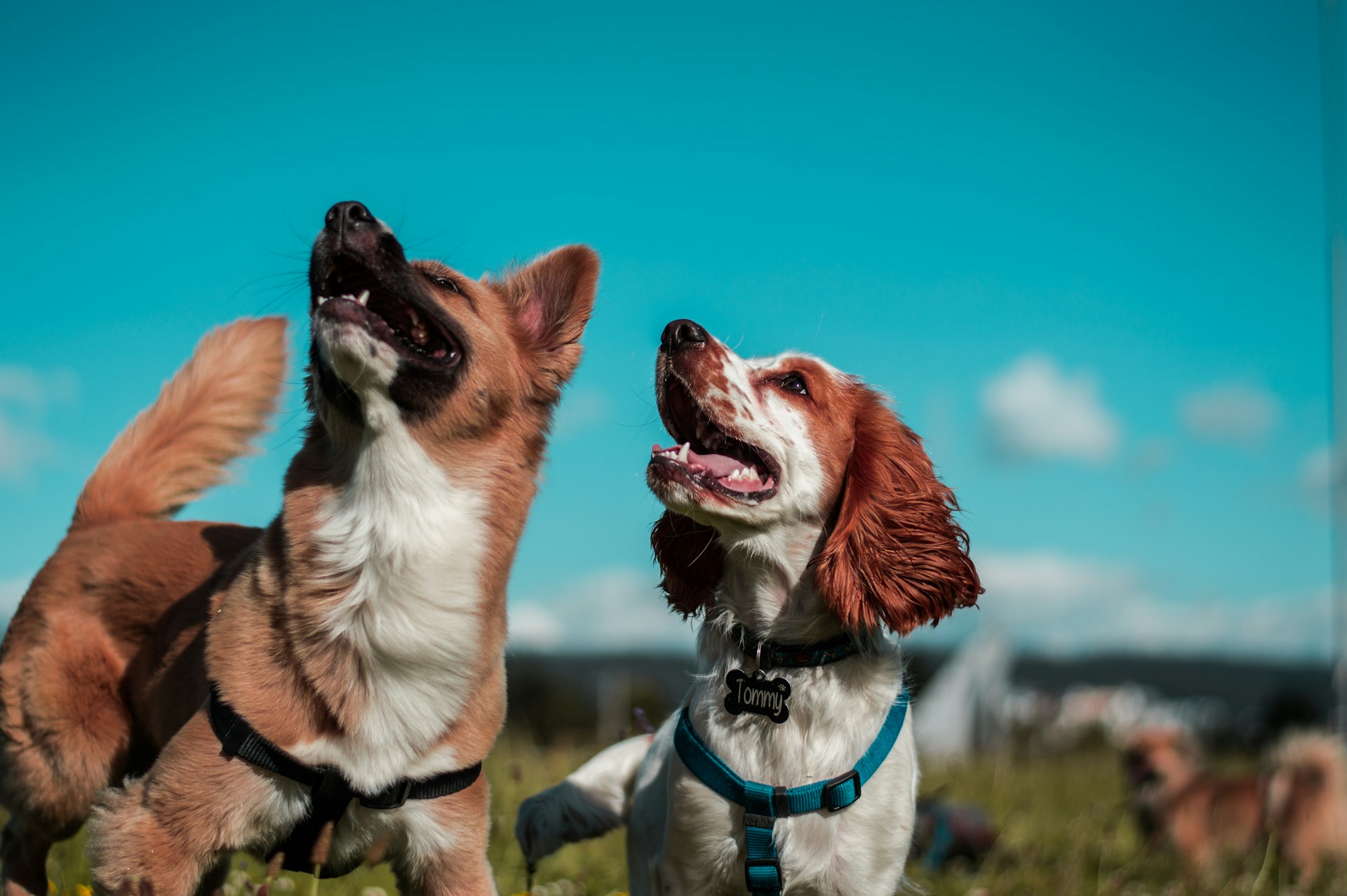
Dogs didn’t just come around to give their people cuddles, either. In fact, studies show that they could be affecting the nearby wildlife even more. In research done in Australia, scientists found that owned dogs caught native animal prey at a higher proportion than cats, and they took larger prey. Dog attacks can be severe enough that they collapse entire colonies of penguins, and they were responsible for 9.2% of admissions to a wildlife rehabilitation center.
Like cats, dogs never really lost their predator instincts. Even if they don’t catch them, they’ll go chasing small animals just for fun. On beaches, they disturbed the Kentish Plover during breeding 50%-100% of the time if they were alone and 93.8% of the time if a human was present. Unleashed dogs have also been a major disturber of the Snowy Plover. While this doesn’t sound like a huge problem, it majorly affects their ability to migrate.
There are also some more indirect effects of dogs on wildlife. As much as 86% of their anti-flea and -tick medicine washes off when they enter water, which can kill aquatic invertebrates. There are several diseases that spread from them to animals like Ethiopian wolves, lions, African wild dogs and spotted hyenas. Dogs’ scents can also linger long after they’re gone, and animals like mule deer, red foxes, bobcats and small mammals were notably less active where they were allowed.
Are Cats and Dogs Bad for Wildlife?
When free-roaming pets are allowed to affect their environments as they please, yes — cats and dogs can be bad for wildlife. As the above examples show, their interference can have substantial effects on both the nearby ecosystem and any they visit. Pet owners must recognize that impact if they hope to make a change.
However, it’s not like people will stop having pets. Over 20% of pet owners have had therapists or doctors recommend having their animals. They can increase empathy and mindfulness, as well as connections to others, decreasing loneliness. Having a pet can also have physical benefits, from encouraging kids to remember to check their blood sugar or take medicine to improving heart health. Many can provide evidence for their mental health benefits, as well.
How Pets and Local Wild Animals Can Cohabitate
Learning about all the ways a pet could impact the wildlife around its home is the first step toward lessening their ecological “paw” prints. For instance, once owners know the risk dogs pose to birds on beaches, the next step is to figure out the best way to keep them close by on shoreside walks.
They should also keep them out of non-public waters and any bodies in nature preserves and national parks. When they’re doing their business outside, keep an eye on them to make sure they don’t hurt any wild critters. Remember to clean up after them, as their waste can transmit parasites and diseases and pollute ground and surface water.
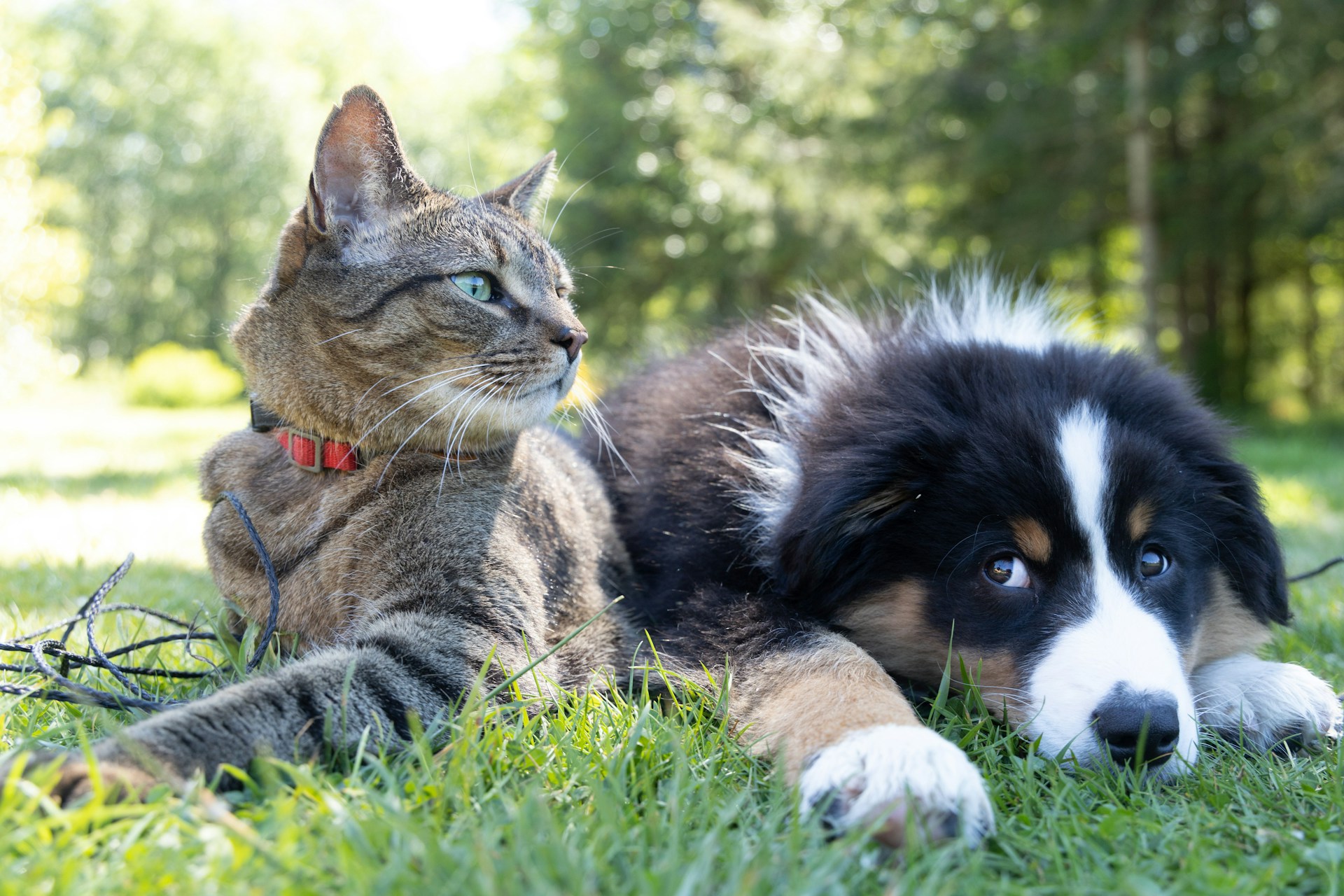
Try to keep their shed as contained as possible, too. Birds often use brushed-out fur and hair as a nest liner, and the concentrations of permethrin, Fipronil and imidacloprid in flea-and-tick medicine are highly toxic to them. In a study on Great Tit and Blue Tit populations, those that used shed with higher amounts of insecticide or insecticide types were more likely to have unhatched eggs or dead offspring.
For cats, it’s likely best to keep them inside — for the wildlife’s sake and their own. For those who want to give them a little outside time, using a leash and harness to keep them nearby is best. Owners can also give them a collar with a bell to alert potential prey. Letting cats be free-roaming pets is just too risky for their prey and for them.
Cats and Dogs Can Be Bad for Wildlife, but They Don’t Have to Be
All this isn’t to say people should stop owning dogs and cats. While aspects like the environmental footprints of their foods are largely up to corporations, owners can contribute to lessening their furry friends’ impacts. Keep dogs close on walks and don’t allow them into non-public waters, and preferably keep cats indoors. They are animals, but their numbers have grown so large that their humans must monitor their interactions with the local wildlife.
Share on
Like what you read? Join other Environment.co readers!
Get the latest updates on our planet by subscribing to the Environment.co newsletter!
About the author

Grace Waters
Always inspired by the natural world around her, Grace grew up exploring tide pools and hiking mountain trails, developing a deep appreciation for biodiversity and conservation. Now, Grace works as the Senior Editor of Environment.co where she covers topics related to emerging clean technologies, zero-waste initiatives, and the intersection of environmental policy and everyday living.