We are reader-supported. When you buy through links on our site, we may earn affiliate commission.
Governments, corporations, and individuals around the world have united to reduce carbon emissions and slow the pace of climate change. These efforts have delivered progress and sparked innovation across industries, but cutting emissions addresses only part of the challenge. Meeting global climate targets will require a second strategy that’s gaining momentum among scientists and policymakers.
Humanity releases tens of billions of tons of carbon dioxide (CO2) into the atmosphere every year. Not all sectors contribute equally, but pinpointing the biggest sources can help direct climate action where it will have the biggest impact.
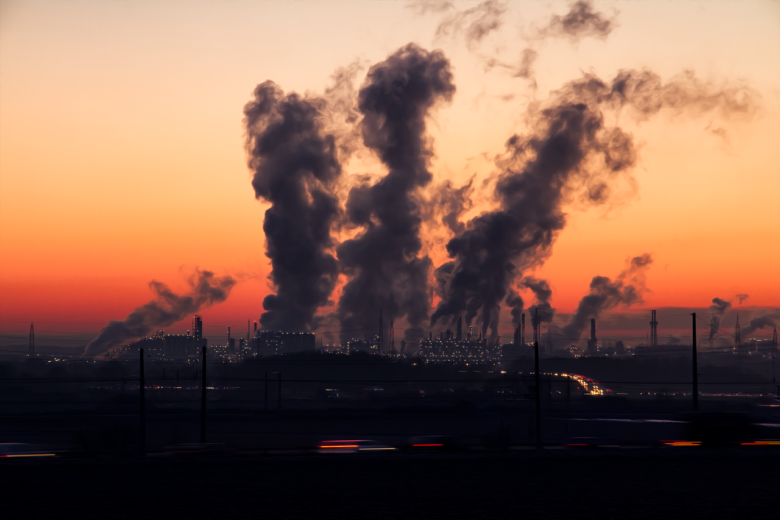
The biggest culprits are power plants and heating systems, which reportedly release more than 15 billion tons of CO2 annually. That’s more than double the amount produced by the next-largest sector. Transportation adds over 7 billion tons to the total, mostly from the cars, trucks, ships, and planes that keep global commerce moving.
Then there’s the manufacturing and construction industries, which are responsible for another 6 billion tons as factories produce steel, cement, and other materials that build modern infrastructure. These three sectors account for a massive share of global emissions. As developing nations continue to grow their economies and energy demand keeps climbing, it’s not likely that these numbers will shrink anytime soon.
Here’s where the math can get uncomfortable. Even if the United States and Europe slashed their output to zero tomorrow, 70% of emissions would still be unaccounted for. This scenario is also wildly unrealistic, given the energy infrastructure, transportation networks, and manufacturing systems that support these economies.
The reality is that reducing carbon emissions faces hard limits. While some industries can transition to cleaner energy sources relatively quickly, the path isn’t equally simple everywhere. Developing regions seeing rapid economic growth face decades-long timelines for meaningful change. Cement production and long-haul aviation present even steeper challenges, with no viable zero-emission alternatives yet available at a commercial scale.
The problem demands more than one solution, and both reduction and removal play major roles. Halting the flow of new emissions remains essential, but it will not be enough to stabilize the climate on its own. Political and economic realities make the situation more challenging, as nations balance climate action with immediate development needs, energy security concerns, and competing policy priorities.
Carbon dioxide removal (CDR) works differently. Instead of preventing new emissions from entering the atmosphere, CDR technologies and methods actively pull existing CO2 out of the air. Think of it as the difference between turning off a running faucet and scooping water out of an overflowing tub. Both actions have an impact, but they tackle different parts of the problem.
Scientists and policymakers focus on applying CDR to hard-to-abate sectors like electricity generation, transportation, and heavy manufacturing. These industries produce such substantial emissions that even aggressive reduction efforts leave a significant carbon footprint. For them, removal technologies could offset emissions that prove technically or economically difficult to eliminate.
The methods also vary widely. Some states rely on nature, planting forests on a massive scale or bringing degraded wetlands back to life so they can absorb carbon again. Others use engineering, with machines that filter CO2 directly from the air and pump it underground for long-term storage. Researchers are also testing ocean-based techniques that use chemical and biological processes to trap carbon. Each approach comes with its own price tag, timeline, and environmental considerations.
CDR shows real promise as one piece of a larger climate solution. The path from experimental technology to global-scale deployment is long, expensive, and more complicated than the headlines often suggest.
The central challenge is scale. Many scientists worry because the technology doesn’t yet exist at the scale required to offset even modest emissions levels, let alone the billions of tons released annually.
Building the infrastructure to capture, process, and store massive amounts of carbon would require unprecedented investment and coordination across governments, industries, and research institutions. This means new facilities, energy sources to power them, and underground sites where CO2 can be safely stored long-term. The timeline for achieving this scale spans decades, while cost remains a barrier.
Nature-based removal strategies face their own constraints. There simply isn’t enough land on Earth to plant the number of trees necessary to balance the global carbon budget through afforestation alone. The competition for land is already intense, and it’s bound to get worse as populations expand and climate change reduces available agricultural areas.
Agriculture provides a stark example. Food systems make up 30% of carbon emissions, driven by poor land management, deforestation for farmland, and livestock production. Asking these same landscapes to simultaneously feed a growing global population and absorb billions of tons of carbon creates an impossible tension. The demands on available land continue to grow from multiple directions at once.
Restoring natural ecosystems offers a more balanced path forward. Rather than converting land to new uses, restoration focuses on healing degraded forests, grasslands, and wetlands that once naturally stored carbon. Such projects can deliver multiple benefits beyond carbon capture, including improved biodiversity, cleaner water, and more resilient communities. However, even restoration has its limits, and it cannot carry the full weight of removal on its own.
The climate conversation is evolving beyond either-or thinking. Carbon emissions reduction and carbon dioxide removal are not and should not be competing priorities. They’re complementary tools in a broader strategy that must also include adaptation to unavoidable changes and continued innovation in clean energy, materials science, and land management. The path forward requires combining all of these strategies, scaling them up where they work best, and acting quickly without losing sight of the bigger picture.