10 Best Beginner Plants to Grow Indoors
We are reader-supported. When you buy through links on our site, we may earn affiliate commission.
Houseplants add life to otherwise static décor. They bring vibrancy and can even improve indoor air quality while beautifying your living area. Yet, some people avoid keeping plants, fearing they might accidentally kill them. Others believe they lack the time or commitment, have poor lighting conditions or simply don’t have enough space. In reality, a handful of them can be the perfect roommates — quiet, clean, and independent — content to thrive on a shelf or in a corner.
Why Add a Little Green to Your Space?
There are numerous benefits to keeping houseplants, often obscured by research jargon. Science says they produce life-giving oxygen, but plants also purify the air. Your home may contain volatile organic compounds (VOCs), also known as indoor pollutants, such as formaldehyde, benzene, and trichloroethylene, which come from pressed wood furniture, paints, varnishes, and even gas stoves. A few potted greens can reduce these airborne toxins and other pathogens, so you breathe nothing but clean air.
Repotting or simply being around nature can be therapeutic. Studies show that interactions with plants lower heart rate, blood pressure, and levels of the stress hormone cortisol. Beyond reducing stress and anxiety, an abundance of greenery is also linked to faster healing and recovery. Bringing the outdoors in can be especially beneficial for those with chronic illnesses.
Even if you’re perfectly healthy, you can still enjoy the overall sense of well-being and improved mood that green plants bring. The average American spends 90% of their time indoors, whether at home or at work. HVAC systems can grow contaminated with germs over time, particularly if you forget to change the filters.
The best part is, you don’t have to spend much to improve your air quality. Because, be real — not everyone can afford to rent a pad in a LEED-certified green building free of mold and lingering odors from prior occupants. However, most can pick up a simple snake plant from the nursery.
Gardening Tips for Beginners
If you’re not convinced yet, just remember that all plant requirements boil down to four primary factors. Master these and you’ll have happy green buddies for years.
- Light: Some flora thrive in low-light conditions because they’re used to forest canopies shading them. Others prefer full-on sun. However, keep in mind that morning sunlight is ideal, as afternoon rays can be too harsh and may scorch the leaves.
- Water: All plants need hydration, but the amount varies by species. Learn each plant’s specific needs to avoid over- or underwatering.
- Soil: This is the base that provides moisture balance, nutrients, and root aeration. A good, well-draining mix typically includes soil, perlite, and worm castings.
- Pot: Most houseplants grow only as large as their containers allow. To encourage healthy growth, repot them in the spring or when roots begin to emerge from the drainage holes.
10 Ideal Plants for Novice Green-Thumbs
Here are the top beginner-friendly indoor plants that are easy to care for, rewarding to grow, and great for your well-being.
1. Philodendron
Philodendron is a genus that includes many different-looking plants, so don’t be confused by their variety. While they may differ in color and leaf length, you can recognize philodendrons by their heart-shaped or lobed leaves and their distinctive glossy or velvety texture.
These climbing vines adapt quickly to indoor environments. Since they originate from the low-light levels of tropical rainforests, they make excellent potted plants even for single-window apartments. You can let them trail from containers, climb trellises, or even train around windows.
- Light: Bright, indirect light
- Water: Every one to two weeks, let the topsoil dry out
- Pet-safe: Mild toxicity
2. Pothos
Pothos goes by the nickname “devil’s ivy,” but it’s an angel to raise. It resembles philodendrons with heart-shaped leaves that come in green, yellow, or variegated patterns, though it has a woodier stem.
These trailing plants grow quickly, and you can easily propagate from stem cuttings. Like philodendrons, they thrive on minimal attention and tolerate low-light conditions, making them ideal for offices where they’re left alone over the weekend — yet still look fresh and vibrant come Monday.
- Light: Bright, indirect light to low light conditions
- Water: Every one to two weeks, let the topsoil dry out
- Pet-safe: Mild toxicity
3. Ficus
Ficus is a genus of about 900 species, ranging from small, compact varieties to massive trees like the Great Banyan in India. However, in the indoor plant world, ficus usually refers to the rubber fig or Ficus elastica. It features long stems and glossy, broad evergreen leaves, with some variegated types displaying elegant white edging.
It’s called the rubber tree because its milky sap contains latex, which native peoples used to make rubber. Today, they enjoy sitting in homes and cafes in warm, humid climates. If this sounds like your space, let a pair of stately ficus trees highlight a sunny window or doorway.
- Light: Bright, indirect light
- Water: Let the soil dry out, as it is highly sensitive to overwatering
- Pet-safe: Mild toxicity
4. Spider Plant
They might sound creepy and crawly, but spider plants look fantastic perched on a bookshelf. The name originates from its mature form, which produces long, arching stems that bear star-shaped white flowers and dangling plantlets resembling spiders hanging from a web. If you want to grow more of these, simply snip off the spiderettes and root them directly in soil.
- Light: Bright, indirect light to moderate light
- Water: Once a week, let the soil dry out
- Pet-safe: Yes
5. Succulents
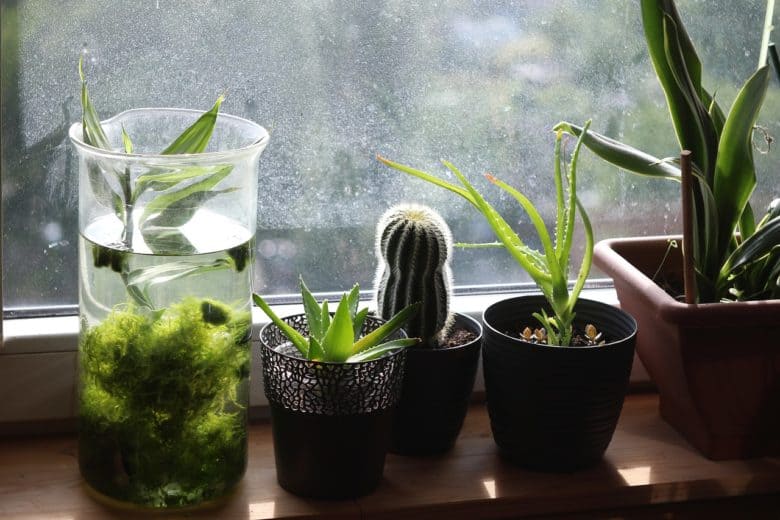
If it’s dry where you live or you keep forgetting to drench your plants, try succulents. People usually picture rosette-shaped succulents with thick, layered leaves, but the term actually refers to a wide range of foliage with water-storing flora — including cacti, snake plants, ZZ plants, and even aloe vera. These require little water, as too much will drown them.
While cacti are drought-tolerant, other succulents are often better suited for beginners. Cacti can have sharp thorns that make handling tricky and require gloves or tools. In contrast, succulents’ plump, soft leaves signal when they need water, and they’re generally much easier to propagate.
For truly low-maintenance succulents, consider round-leaf jade plants, which are said to attract wealth. Haworthia zebra or ox-tongue gasteria are also hardy options.
- Light: A lot of bright, indirect light
- Water: Every two to three weeks, let the soil dry out, as it is highly sensitive to overwatering
- Pet-safe: Yes
6. Snake Plant
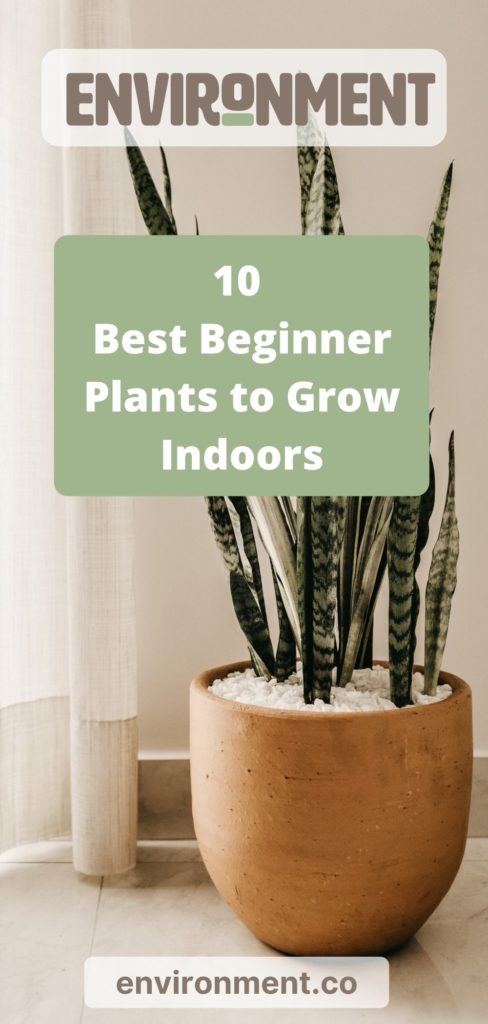
The snake plant is among the most low-maintenance and drought-tolerant plants ever, so it deserves a section all to itself. It can last for weeks without care. If you’re a jet-setter, this houseplant won’t die while you spend two weeks in Tibet. Snake plants come in various sizes, leaf shapes, and shades of green, making them a versatile addition to modern and traditional homes. Even those living in basement apartments can enjoy them, as they tolerate low light exceptionally well.
What truly makes snake plants a must-have is their air-purifying ability — absorbing harmful pollutants and converting carbon dioxide into oxygen even at night.
- Light: Bright, indirect light to low light conditions
- Water: Every two to six weeks, let the soil dry out completely
- Pet-safe: No
7. Aloe Vera
Another succulent that deserves its own spotlight is aloe vera. This beautiful, medicinal plant is highly beneficial and easy to care for. If you have a minor cut, sunburn, or skin irritation, simply snap off part of a leaf and apply the soothing gel to help it heal faster. It also calms red, irritated pimples and moisturizes dry skin.
- Light: Bright direct sunlight to indirect light
- Water: Every two to six weeks, let the soil dry out completely
- Pet-safe: No
8. Ferns
Ferns aren’t the first thing that comes to mind for many people, often because they look like delicate, prehistoric shrubs that demand high maintenance. However, only half of that is true. Ferns are indeed ancient — they’re older than dinosaurs even — and once served as food for herbivores, but they’re totally easy-care beginner plants.
Today, they’re among the most popular plants to hang in moisture-rich areas, such as bathrooms, as they thrive in high humidity. They help balance excess moisture to prevent mold and, through phytoremediation, filter out hidden toxins often found in personal care products like soaps and shampoos.
- Light: Bright, indirect sunlight
- Water: Two to three times a week, let the topsoil dry
- Pet-safe: Yes
9. Aglaonemas
Don’t be intimidated by the name — these are so beautiful and easy to care for that you’ll want to collect them in every pattern and color. The aglaonema is a highly in-demand, beginner-friendly indoor plant that’s very forgiving, even if you occasionally under- or overwater it. Although it’s called the Chinese evergreen, it comes in stunning shades of pink, green, white, or even a mix of all three.
- Light: Bright, indirect sunlight
- Water: Every one to two weeks, let the topsoil dry
- Pet-safe: No
10. Potted Herbs
If you want access to fresh ingredients and better flavor while you cook, why not line your kitchen windowsill with potted herbs? Many of these thrive indoors and are useful for natural remedies. Lavender and chamomile can help you drift off to sleep when brewed as tea. Oregano is a potent antimicrobial agent and adds earthiness to Italian dishes. Basil helps regulate blood sugar, so don’t hesitate to add it generously to your meals.
- Light: Full sun
- Water: Water when the topsoil feels dry
- Pet-safe: Yes
FAQs
What are the signs of overwatering or underwatering in plants?
Classic signs of overwatering include yellow, limp leaves, soggy or moldy soil, and root rot, which occurs when the roots turn mushy and black. Signs of underwatering, on the other hand, include drooping or wilting leaves, crispy foliage, and dry, crumbly soil.
Which low-maintenance plants are ideal for small indoor spaces?
Snake plants, pothos, and succulents like haworthias or gasterias are excellent choices that thrive with minimal attention. With just a little care, even the tiniest corner can turn into your own mini jungle.
A Little Green Goes a Long Way
You don’t need a sprawling garden, hours of free time or complicated routines to enjoy the benefits of greenery at home. Growing houseplants doesn’t have to feel like a chore, and you don’t have to leave your house — these best plants for beginners can even be delivered right to your doorstep. There’s really no excuse not to enjoy cleaner air and a better mood. Even if you’ve struggled to keep them alive before, these forgiving species might surprise you with how quickly your brown thumb turns green.
Editor’s note: This article was originally published on February 21, 2020, and was updated on October 13, 2025, to provide readers with more updated information.
Share on
Like what you read? Join other Environment.co readers!
Get the latest updates on our planet by subscribing to the Environment.co newsletter!
About the author

Jane Marsh
Starting from an early age, Jane Marsh loved all animals and became a budding environmentalist. Now, Jane works as the Editor-in-Chief of Environment.co where she covers topics related to climate policy, renewable energy, the food industry, and more.