We are reader-supported. When you buy through links on our site, we may earn affiliate commission.
TikTok has emerged as a social media giant in recent years, shaping cultural trends across generations. Among the many movements taking shape on the platform, a noteworthy one is underconsumption core. This trend reflects a shift in societal values, focusing on minimalism, sustainability, and conscious consumerism.
While underconsumption core initially seemed like a niche interest, its growing presence signals a profound cultural shift that businesses, creators, and brands cannot afford to ignore.
Underconsumption core encapsulates the ethos of mindful living, emphasizing reduced consumption and overspending, as well as promoting thoughtful decision-making regarding purchases and lifestyle choices.
It is a movement rooted in environmental consciousness, financial mindfulness, and the rejection of overindulgence. This movement has gained momentum on TikTok as users share tips, stories, and hacks to embrace minimalism and avoid unnecessary spending.
The “core” suffix connects it to other TikTok subcultures, such as “Cottagecore” or “Clean Girl Aesthetic.” However, underconsumption core distinguishes itself by its practicality and focus on sustainable living. Its themes align closely with broader societal concerns about climate change, economic uncertainty, and mental health, making it resonate with a diverse audience.
TikTok’s algorithm thrives on relatability, and underconsumption core is no exception. Its rise is a response to the platform’s ability to amplify authentic voices and niche communities. Many of its key contributors are influencers and creators who prioritize transparency, sharing their own journeys of cutting back on excess and leading simpler lives.
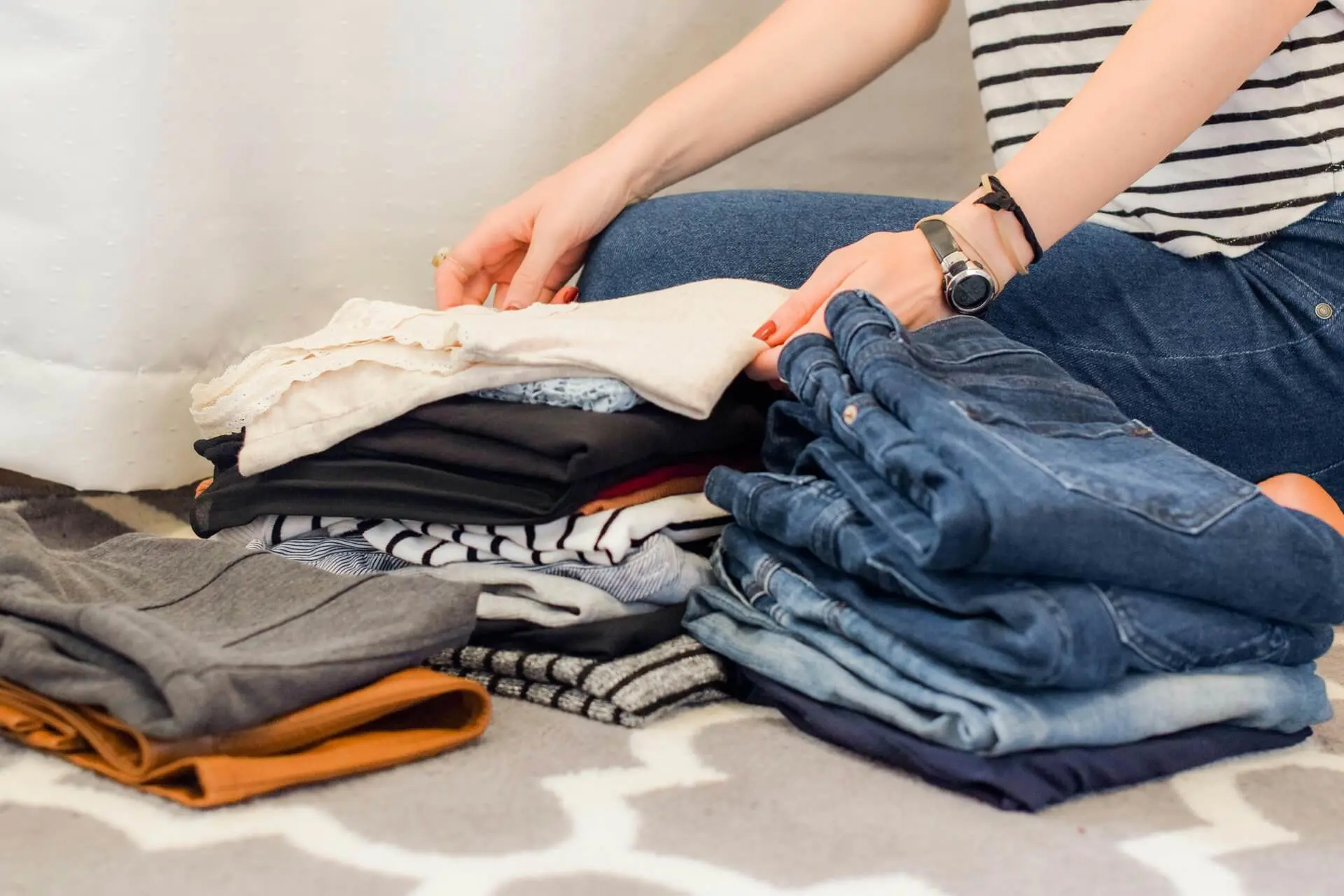
Short, engaging videos showcasing thrift shopping hauls, DIY repairs, capsule wardrobes, and low-cost meal planning have become staples of underconsumption core content. These clips often combine visual storytelling with actionable advice, encouraging others to adopt similar practices.
Economic conditions have also fueled this trend. In an era of rising living costs, users gravitate toward content that helps them save money or find satisfaction in less. TikTok has become a hub for knowledge-sharing, where audiences can discover how to balance financial goals with sustainable living.
From sustainability to financial mindfulness, the underconsumption core movement offers practical benefits that extend beyond social media trends:
For those inspired by the underconsumption core concept, adopting its principles can begin with small but meaningful changes. Here are practical steps to get started:
Brands seeking to engage with TikTok’s audience must understand the nuances of underconsumption core. It is not a trend that aligns with traditional advertising tactics. Instead, authenticity and purpose are key. Here are some tips:
While the principles of underconsumption core are widely admired, it also faces criticism. Some argue that the movement can unintentionally become exclusionary. For example, creating a capsule wardrobe or transitioning to sustainable products can require upfront investments that are inaccessible for those on tight budgets.
Additionally, the trend risks being co-opted by brands seeking to capitalize on its popularity without making meaningful changes to their practices. “Greenwashing” campaigns, where brands make misleading statements to exaggerate their eco-friendliness, are likely to alienate discerning consumers.
Underconsumption core reflects a broader cultural reevaluation of priorities. It aligns with a global push toward sustainability and mindful living. Governments and organizations are increasingly emphasizing initiatives that promote reduced consumption, from circular economy models to waste reduction policies.
Social media platforms like TikTok have accelerated the visibility and adoption of these ideas, particularly among younger demographics. As the underconsumption core concept continues to evolve, it could influence everything from product design to urban planning, as society collectively seeks more sustainable ways to live and consume.
Trends on TikTok are often fleeting, but underconsumption core has the potential for longevity. Unlike other viral phenomena, it is grounded in practical, real-world concerns rather than fleeting aesthetics or challenges. Its appeal transcends the platform, speaking to universal values of simplicity, sustainability, and self-sufficiency.
As climate concerns grow and economic pressures persist, the principles of underconsumption core are likely to remain relevant. It may also inspire new offshoots, such as specific communities focused on zero-waste living or resource-sharing networks.
More than just another TikTok fad, underconsumption reflects shifting cultural values. By embracing sustainability, reducing excess, and fostering mindfulness, it challenges the norms of modern consumer culture.
For businesses, creators, and audiences alike, understanding underconsumption and its broader implications offers valuable insights into the priorities of a changing world.
Whether this movement evolves or stabilizes as a niche interest, its message is clear — the era of over-consumption is giving way to a more thoughtful approach to living, one TikTok video at a time.