What Is Hard Water and How Do You Deal With It?
We are reader-supported. When you buy through links on our site, we may earn affiliate commission.
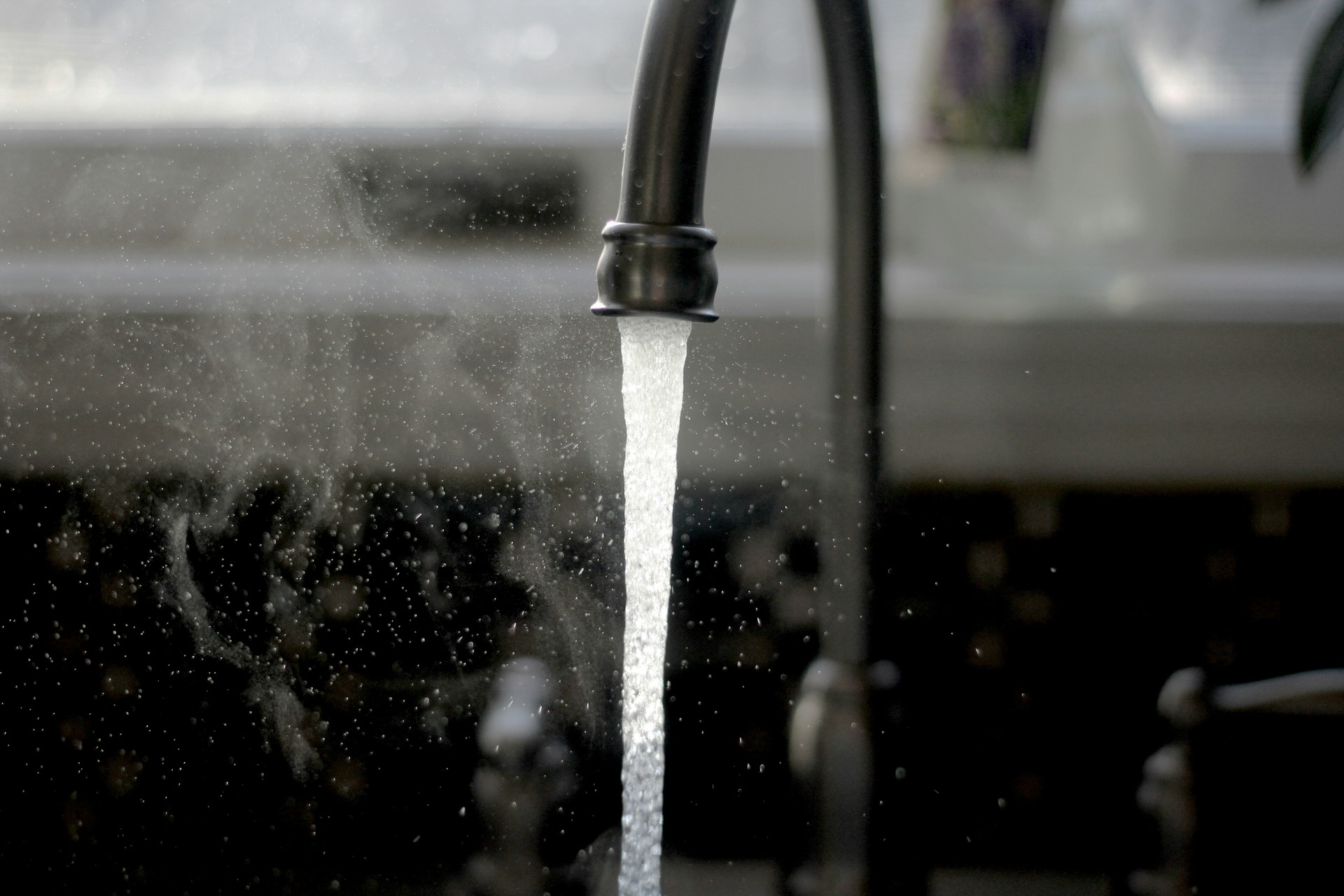
Hard water is an all-too-common phenomenon that affects households worldwide. While there is no health risk involved with consumption, mineral-rich water affects homes in ways beyond health. For one, it can cause minerals to accumulate in appliances and plumbing fixtures. Dry water can also leave your skin and hair dry and irritated. It can also leave your dishes with hazy white spots.
What Is Hard Water?
Hard water is the result of groundwater flowing through mineral-rich rocks and soils. It picks up dissolved calcium and magnesium, which makes it “hard,” a term used to refer to the concentration of mineral deposits. Hardness is measured using grains per gallon (GPG) or parts per million (PPM). One grain is equivalent to 0.002 ounces of calcium carbonate dissolved.
Water with 0 to 3 GPG is considered soft since it has a significantly lower mineral count. 3.5 to 7 GPG is the ideal, neither soft nor hard. Hard water has over 7.5 GPG and needs to be softened.
The minerals commonly found in hard water are not inherently evil. Many of them are beneficial to the body. Calcium, for one, is necessary for strengthening the bones and maintaining healthy cholesterol levels. Magnesium is also crucial in the efficient function of the nervous system. That’s why it remains safe to drink. However, while it may not affect the body’s systems, it wreaks havoc on homes and plumbing systems.
Signs You Have It at Home
There are telltale signs that your home might have hard water. It usually presents itself as:
- Limescale buildup: Check your faucets, showerheads, and pipes if there are white, chalky deposits. This indicates mineral residue, which can affect flow and clog plumbing systems over time.
- Spotty, cloudy dishes: Glassware and metal dishes often emerge from the wash with a film of streaks or spots even after a thorough cleaning.
- Soap scum: When hard water and soap are mixed, the mineral ions react with the soap to form a solid material called precipitate or soap scum. This makes the soap less effective at lathering and cleaning.
- Dry skin and hair: Bathing with it leaves a film on your skin that blocks the glands, disrupts the skin barrier, and makes your skin feel dry. Your hair also suffers as it leaves a dry, itchy scalp.
- Clothing wear and tear: Doing laundry with hard water leaves mineral deposits on clothes that can cause buildup. This causes the fabric to feel stiff and wear out more quickly. Your whites might also look dingy instead of bright.
The Costs of Ignoring Hard Water
Around 85% of American households suffer from hard water. Considering this large number, ignoring it will prove detrimental in the long run, as it can significantly increase household expenses. As limescale deposits build up, they act as insulators, causing appliances like water heaters to work harder. A limescale buildup of 2mm can affect heater efficiency, causing up to a 5°C decrease in temperature and reducing the heater’s functional life by half.
Mineral buildup can also affect a home’s HVAC system. The system might have to work harder to achieve ideal temperatures, which increases energy consumption and costs for the homeowner. If not treated, the buildup can also corrode the metal components, weakening the structural integrity of the entire system.
How to Test for It
The first step to resolving your issues is to test for hardness. To get started, you can:
Do Simple At-Home Tests
The soap test is one of the easiest ways to test. Fill a clean, clear bottle with tap water to one-third full. Add a few drops of pure liquid castile soap and shake vigorously for a few seconds. You might have hard water if there are minimal bubbles and clouds. You have soft water if there are copious suds and clear water.
Remember that some commercial soaps contain detergents that lather well regardless of water type, so it’s best to use pure soap for the most accurate results.
Check With Your City Supplier
If a municipal service line supplies your utilities, you can contact your provider directly to request their latest quality report. Many utility companies post their reports online, or you can have them sent to you via email.
One drawback of this option is that the reports might not reflect the quality of your tap water. They usually test the quality before leaving the treatment facility, and it may pick up impurities along the piping before reaching your home. Still, a quality report can give you a good picture of the hardness in your area.
Get a Tester Kit
The soap test works well as a basic assessment, but it’s not exactly accurate. Purchase a hard water test kit from any home improvement store for more precise results. These kits include test strips and a color chart.
To use the kit, fill a glass with cold water from your tap. Next, dip a test strip for several seconds. Don’t run it under a faucet, as it will affect accuracy. Remove the strip and wait for it to change color. Finally, compare the strip to the color chart provided with the kit. Some kits have yellow or green indicators for soft and red for hard.
Have a Professional Do a Test
Consider hiring a professional testing service for the most thorough analysis. They can test for hardness and contaminants like heavy metals and bacteria. Professional services will provide you with a detailed profile of your water supply and help you choose the most appropriate treatment solution.
How to Deal With It
There are many ways to deal with hard water immediately and in the long run. Descaling fixtures and appliances in the home can help improve their efficiency for short-term solutions. Long-term solutions include treating your water with softeners.
- Use descaling products: Vinegar and limescale removers can do wonders for cleaning appliances and fixtures. These remove the white film coating your faucets and sinks.
- Attach shower filters: Using a filter on your showerhead lessens the effects on your hair and skin, improving their conditions and reducing dryness.
- Treat with softeners: Salt-based water softeners replace the calcium and magnesium ions with sodium through an ion exchange process.
- Incorporate whole-house filters: Besides the shower head, a whole-house filtering system treats water before entering your home to ensure all of it is softened before use.
Is Soft Water Better?
Soft water is usually preferred for cleaning as it’s more efficient in lathering soap without the scum. This means you’re saving money on your bill because you don’t have to rewash your dishes as often to remove the scaly buildup. Soft water also prevents limescale buildup, which extends the life of your appliances. Additionally, it’s gentler on the hair and skin.
However, softened water is not necessarily better for consumption, especially for those on a low-sodium diet. Talk to the softening system manufacturer to determine how much sodium is added to your home’s water. For an alternative, consider potassium-based softeners instead.
Bacteria and fungi are also threats to a water-softening system’s effectiveness. Maintenance and upkeep are crucial to keeping the water safe and uncontaminated. Additionally, the salt in the systems may have to be replenished often. These salt-based systems also discharge brine, which may impact the environment.
Softening Solutions
While hard water is 100% safe to drink, it poses numerous challenges for homes, HVAC systems, and plumbing. Recognizing the signs of hard water can save resources and reduce utility bills. While it needs to be treated to avoid mineral buildup and other long-term problems, softened water isn’t necessarily better. Knowing the difference between the two will help homeowners make informed decisions about their supply to find the best solution for their needs.
Share on
Like what you read? Join other Environment.co readers!
Get the latest updates on our planet by subscribing to the Environment.co newsletter!
About the author

Jane Marsh
Starting from an early age, Jane Marsh loved all animals and became a budding environmentalist. Now, Jane works as the Editor-in-Chief of Environment.co where she covers topics related to climate policy, renewable energy, the food industry, and more.