We are reader-supported. When you buy through links on our site, we may earn affiliate commission.
While picnics are considered leave-no-trace events, there is always that one person who leaves something behind or forgets to throw away a wrapper. They might think it’s no big deal if it’s just one item. However, if others have the same idea and follow suit, the park becomes a polluted, unpleasant place that no one wants to spend time in. This is the perfect example of the “tragedy of the commons.”
The real question you might have is how this concept applies to the world’s resources, its risks and how the world can avoid it for the sake of the planet.
While the general idea of the tragedy of the commons dates back to Aristotle, ecologist Garrett Hardin highlighted it in 1968. It describes a dichotomy in which people’s actions result in collective consequences. For example, if a community shares a resource and individuals act in their own self-interest, they will eventually deplete it for everyone else.
Suppose several farmers share a pasture for their cows. If one farmer adds an extra cow, only that farmer will profit from it. However, the cost of extra grass being eaten gets shared by everyone. If all the farmers decide to add more cows, eventually there will be too many animals and the field will disappear.
The “tragedy” doesn’t happen because of blatant greed, but because everyone made what they deemed a wise decision that turned out terrible for the greater whole.
On a global scale, the implications of the tragedy of the commons are much more involved. Today’s disaster extends well beyond a single pasture and encompasses the Earth itself. With global resources lacking distinct ownership, there are very few national peripheries.
The commons include the atmosphere — which stabilizes the global climate and is necessary for breathing — and the oceans, which control weather and provide nourishment to billions of people. The forest is another “common” that supports biodiversity, while freshwater streams across land.
The systems don’t belong to a single country but are a shared legacy and obligation for all of humanity. Whatever a single nation chooses to do with these resources impacts everyone.
The tragedy of the commons is unfolding on land, at sea and in the air. When short-term private interests outweigh joint ecological sustainability, shared resources degrade. Here is how the overexploitation of shared commons is evident in modern times.
International waters are a classic example of a commons dilemma, as the high seas don’t belong to any particular nation. Global fleets compete for the same fish stocks, with the incentive that someone else will catch the fish if they don’t. This notion has had devastating results.
Marine depletion has skyrocketed since the 1980s, with one study indicating that 52% of the world’s fish stocks are fully exploited, while 28% are overexploited or depleted. Despite conservation commitments to resolve the issue, governments have worsened the crisis by creating economic incentives to overfish, pushing the shared marine resources toward ecological collapse.
The atmosphere is another tragic common, increasingly becoming a dumpsite for greenhouse gas emissions and other ambient pollution. One corporation or country may continue emitting emissions because it is cheaper than investing in green technologies. Although one smokestack might seem insignificant, multiple smokestacks create a planetary catastrophe.
As the industrial, transportation and energy sectors ramp up operations, they release more pollutants into the air. These particles accumulate, capturing heat and altering the climate. As a result, weather patterns and rising sea levels impact everyone.
Likewise, the World Health Organization says that widespread air pollution leads to serious health problems. Nearly 99% of the global population lives in areas where air quality does not meet the agency’s standards. Furthermore, 6.7 million people died in 2019 because of exposure to ambient air pollution.
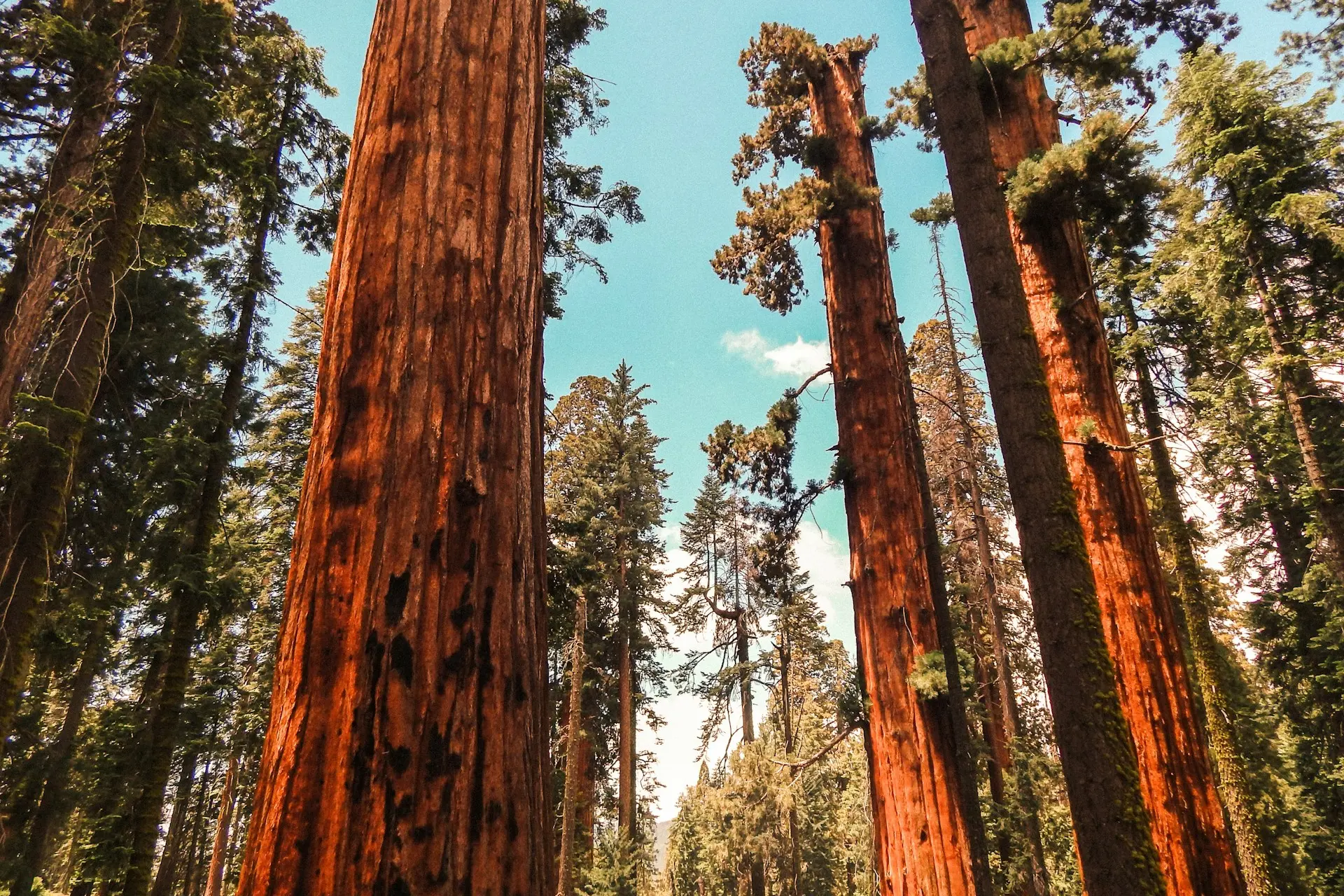
Forests are critical for planetary health. The tragedy within these ecosystems occurs when enterprises or nations exploit their shared resources for short-term economic advantages. For instance, logging companies clear forests for timber production, which creates employment opportunities and earnings.
This situation is evident in the United States, where a 2025 U.S. Department of Agriculture memo opened 112,646,000 acres of land for clearing as the Trump administration aims to expand American timber production by 25%.
The consequences of this are dire, especially since deforestation releases stored greenhouse gases, exacerbating climate change. Forests are also home to most land-based biodiversity, with their destruction resulting in irreversible species extinction. The dynamic creates an unsettling case in which parties must balance economic constraints with conservation.
The tragedy of the commons isn’t necessarily ill-intended, but lies in the deep-rooted psychology of how humanity views nature. One facet of environmental ethics is “resourcism,” in which society views resources solely as means to its own benefit. The concept derives from a time when consumption was lower, yet those same resources are not infinite.
As proven time and again, outdated ways of thinking are dangerous in today’s world. When individuals are motivated to extract as many shared resources as they can for themselves, they often find little grounds to conserve them.
Fortunately, the tragedy of the commons is not the world’s destiny — although overcoming it is a challenge, there is still time to change course. Governments and corporations can establish rules to conserve shared resources through multinational treaties, climate agreements and domestic laws. Economic approaches, such as carbon taxes and fishing quotas, are other possibilities to prevent overexploitation.
Individuals and communities also have the power to create a positive change through greater stewardship. Opting for sustainable products, demanding corporate responsibility and supporting local conservation initiatives is the key to systemic change.
Some specific ways to make a difference include:
Overfishing in international waters, deforestation, and air pollution are some of the classic tragedies of the commons. Other examples include the depletion of rivers or groundwater and traffic congestion on public roads. Each of these exploits a valuable resource for personal benefit over collective well-being.
Simple greed relates to your excessive desire for something. Regarding the tragedy of the commons, it is a systemic issue in which several people act rationally for their own benefit while unintentionally overutilizing a shared resource.
As a widespread issue, it might seem like individual changes won’t make much of a difference. However, your decision to consume less, support green businesses and advocate for stronger environmental policies contributes to the greater good. The more people place pressure for change, the more meaningful the movement becomes.
The fate of the commons is sobering, but not written in stone. Knowing that individual self-interest can quickly lead to collective ruin, people must choose long-term stewardship over short-term gain. The Earth is a shared inheritance — therefore, it is a shared duty to protect it.