Mythical Sea Creatures: Animals We Once Called “Myths”
We are reader-supported. When you buy through links on our site, we may earn affiliate commission.
The sea is full of fascinating animals. They have long interested the human mind, but many have mistaken them for fantastical or folkloric beasts. Take a look at some of the mythical sea creatures that have real-life counterparts people once thought to be the stuff of legend.
1. The Kraken
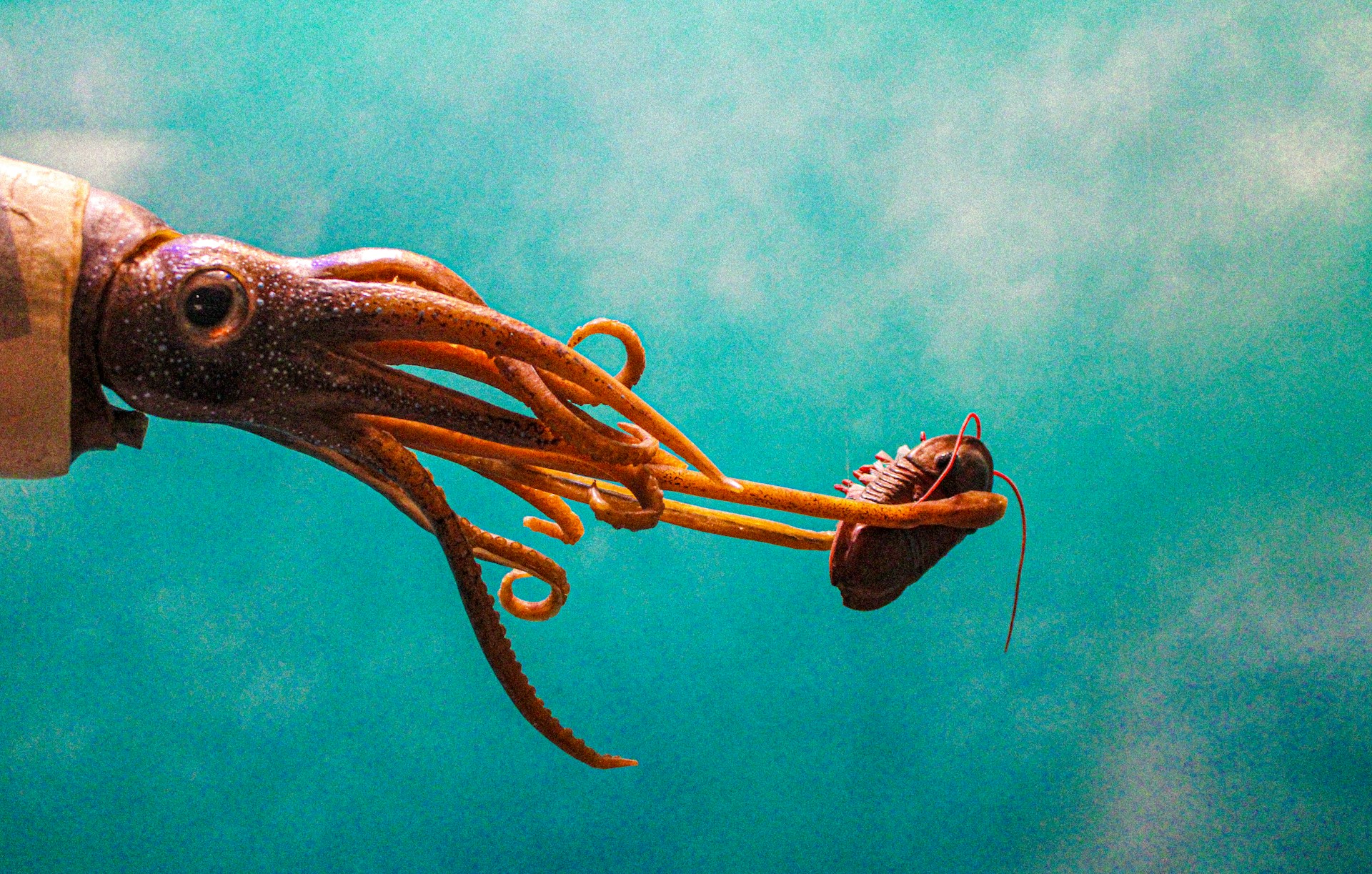
All the way back in the 12th century, King Sverre of Norway made mention of a giant sea creature that could pull entire ships into the ocean. The stories persisted so long that in 1752, the Norwegian bishop and naturalist Erik Pontoppidan officially named and described the Kraken in his book The Natural History of Norway. He said it was so large that sailors could mistake it for an island, and it appeared in a cloud of whirlpools with suddenly boiling water and schools of fish escaping its massive maw.
Sea travel could be a significant source of fear for many back then. Unpredictable weather, currents and creatures were often causes of death, and people didn’t yet have the technology to understand how or why they happened. Something like the giant squid seemed like a horrifying monster rather than another animal in the sea.
Humans now know these mythical sea creatures like to remain deep within the ocean, often fleeing when they sense a threat. Ocean researcher Edie Widder — who was able to get footage of a giant squid — said in an interview that people only knew these animals existed before cameras because they float to the surface when they die. Otherwise, they stay hidden in deep, deep water. Considering some specimens have reached as long as 43 feet, it’s easy to see how humans once thought these typically elusive creatures were supernatural beasts.
2. Sea Monks and Sea Bishops
You may be familiar with mermaids, but have you ever heard of sea monks and sea bishops? Reports of creatures that looked like clergymen covered in scales appeared as early as 1531 in Poland. According to reports, when this creature was presented to the King of Poland, it was upset about its current condition and was eventually returned to the sea.
When scientist Guillaume Rondelet was drawing a sea bishop for Ambroise Paré’s On Monsters and Marvels, he relied on the account from physician Gisbertus Germanus, who saw the original presentation. Rondelet opted to leave out some of the descriptions Germanus gave because they felt too fantastical, stating that he wasn’t even sure if this report was true.
Rondelet was likely right — these water-based monks were likely just what are known as Jenny Hanivers. These are the bodies of rays or skates someone has altered and then dried, creating what looks like one of these mythical sea creatures. Swiss naturalist Conrad Gesner had even reported someone trying to use one as evidence of dragons, but he asserts that shop vendors used them to impress their customers.
3. The Hafgufa and Aspidocheleone
As far back as the second century, in a text called Physiologus, a massive whale-like creature that had fish leaping into its mouth has been described. In the 13th century, a manuscript called the Konungs skuggsjá named this animal the hafgufa. The old text actually expresses some concern about the biodiversity in the oceans because of just how many fish these creatures could eat.
In other writings, people had mistaken the hafgufa for an island, much like another of the mythical sea creatures — the Aspidocheleone. Sailors reported landing on these islands and disembarking to prepare food, only for the animal to submerge and drown most of the crew. Both these legends also described how the beast would open its mouth and emit a sweet, rotting-cabbage-like smell to attract fish.
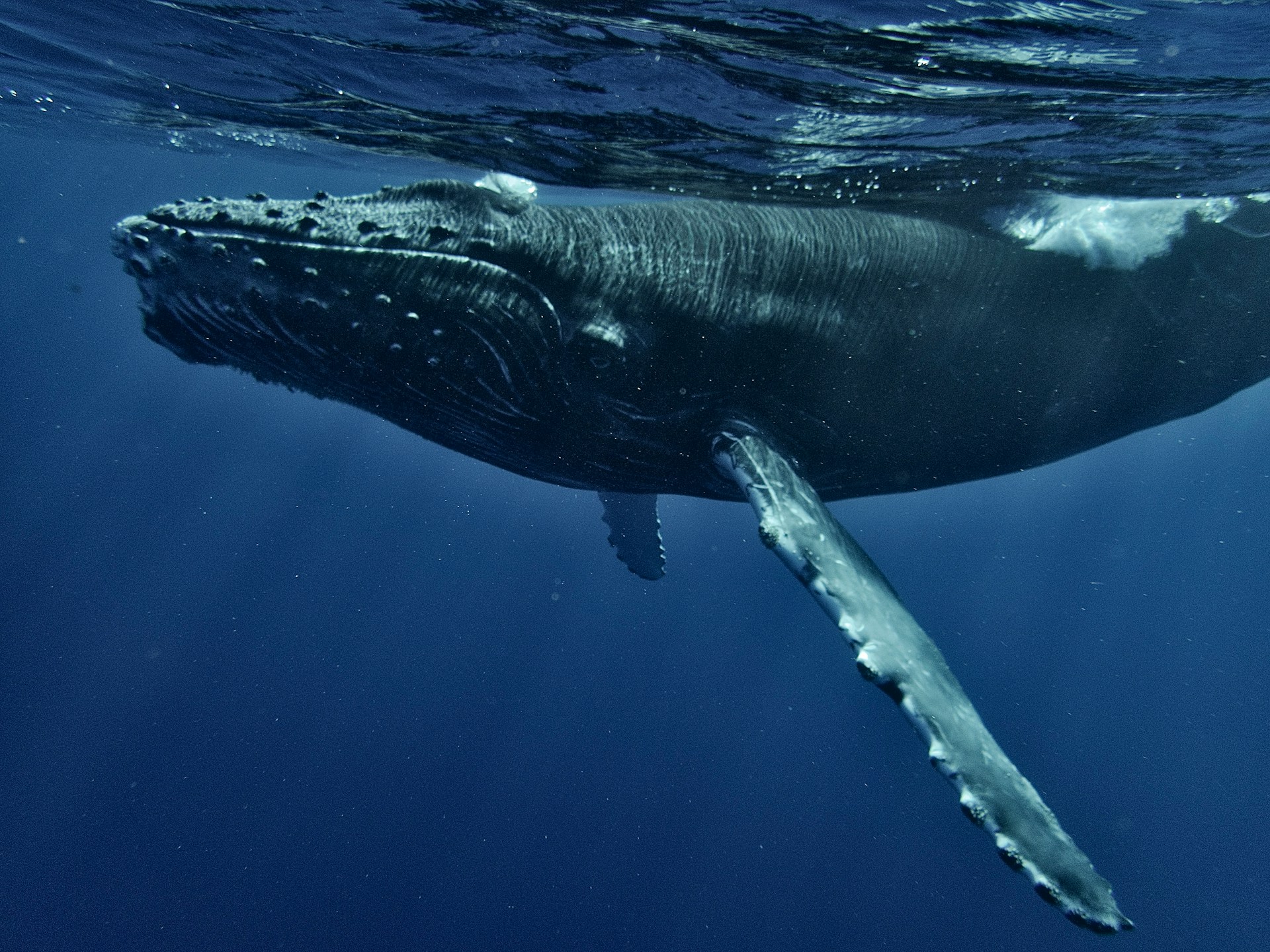
However, recent research has attributed these behaviors to humpback and Bryde’s whales. These massive mammals sit at the surface of the water with their mouths wide open, floating motionlessly in a behavior known as tread-water or trap feeding. The scent is also not a myth — these whales will also partially regurgitate their food to draw their prey in. However, researchers note that people thought of these less as supernatural animals and more as their own terrifying species.
4. Sirens and Mermaids
Mermaids and sirens are some of the most popular mythical sea creatures, perhaps because they link the worlds of land and sea. In their original form, sirens were actually portrayed as human women or birds with human heads that sang enchanting songs that lured sailors to their deaths. As far back as ancient Greek times, they were warning each other of the potential dangers of listening to their melodies or even sailing near where these animals lived.
Mermaids seemed to have similar murderous tendencies, but they always had the human top half, fish bottom half many know today. It wasn’t until Victorian times that people began to merge the idea of sirens and mermaids, which has carried through to modern media. Multiple cultures worldwide also have legends of creatures that are half woman, half fish that are either symbols of fertility or warnings of doom.
They were likely actually seeing a manatee or a dugong — large though slim and graceful sea mammals. This even happened to Christopher Columbus. He writes in his diary seeing three mermaids that weren’t as pretty as described, looking more like men. Whether people imagined these fish women existing and the dugong and manatee were the closest resemblance or they mistook the animals for merfolk is unclear, but the connection is incredibly common. The animals are also now incredibly popular as flagship species promoting conservation efforts.
The Reality Behind Mythical Sea Creatures
When looking at the breadth of life the ocean holds, it isn’t surprising that people once thought it was full of supernatural animals. Take one look at deep-water species like anglerfish and barreleyes and imagine how you might’ve felt thousands of years ago, when what we now consider mythology was common knowledge. Even if they’re not mythical sea creatures, the incredible variety of fish, mammals and more within the Earth’s waters are worth exploring, learning about and protecting.
Share on
Like what you read? Join other Environment.co readers!
Get the latest updates on our planet by subscribing to the Environment.co newsletter!
About the author

Jane Marsh
Starting from an early age, Jane Marsh loved all animals and became a budding environmentalist. Now, Jane works as the Editor-in-Chief of Environment.co where she covers topics related to climate policy, renewable energy, the food industry, and more.