How the Illegal Wildlife Trade Functions
We are reader-supported. When you buy through links on our site, we may earn affiliate commission.
In modern times, it may seem like the illegal wildlife trade has quieted down. Fifty or so years ago, it wasn’t as hard to imagine wild animals like tigers and rare reptiles in someone’s home. People generally cared less about their welfare than they do now, but that doesn’t mean the trade has ended. It just moved out of sight of prying eyes. Explore how the animal trade used to work, how it functions now and actions occurring to stop it.
How the Illegal Wildlife Trade Got Started
For years, people have wanted to own that which they find intriguing. You need only look to royalty to find examples of chameleons, cheetahs, giraffes, orangutans and even a polar bear being kept as pets. Of course, this wasn’t illegal at the time — the nobles were given whatever they wanted, no questions asked. However, the more others wanted that same power, the more they fell into illicit practices to get there. Exotic pets were seen as glamorous, drawing both the elites and the desiring.
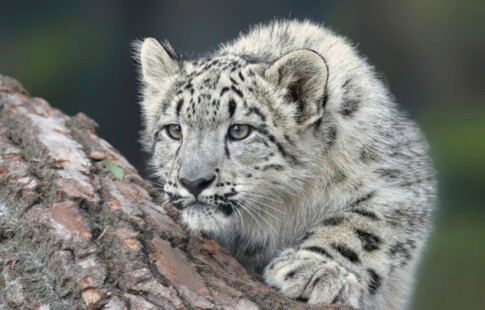
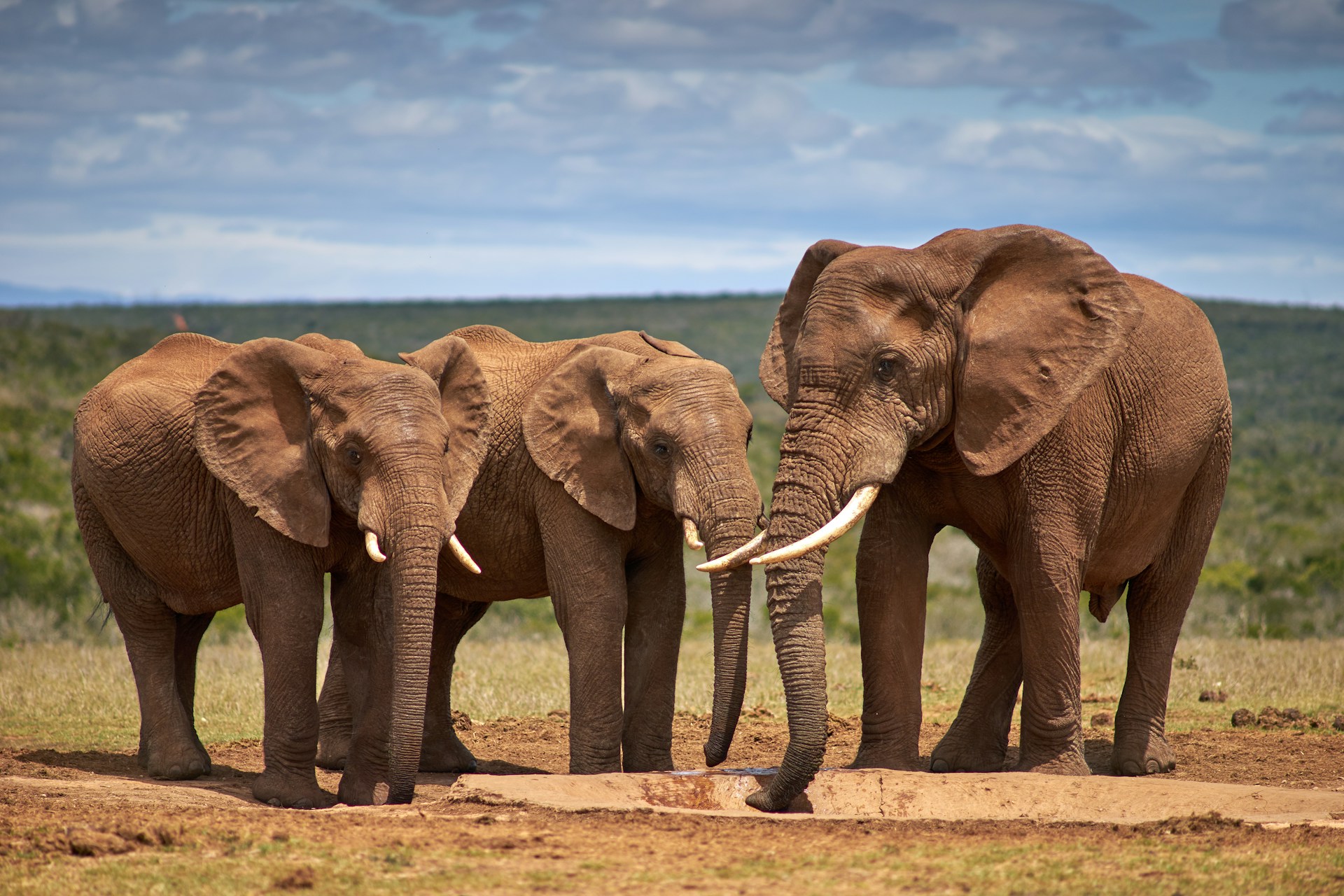
It didn’t stop at pets, though. Following the beginning of the use of ivory in items from religious artifacts to jewelry, Africa’s elephant population dropped from 26 million to less than a single million today. Rhinos are also often killed for their horns, while furrier animals like the snow leopard have their hides illegally sold to become rugs, wall hangings and blankets. Aquatic animals are at risk, too, from becoming locked in unsuitable enclosures to being ingredients for shark fin soup.
The Modern Workings of Animal Trading
There are several species commonly traded around the world:
- Europe: Cypriot mouflons and two kinds of parrots
- Africa: Three species of elephant, rhinos, chimpanzees, and also a species of parrot and pangolin
- Americas: Brown bears, Hyacinth macaws and Galapagos land iguanas
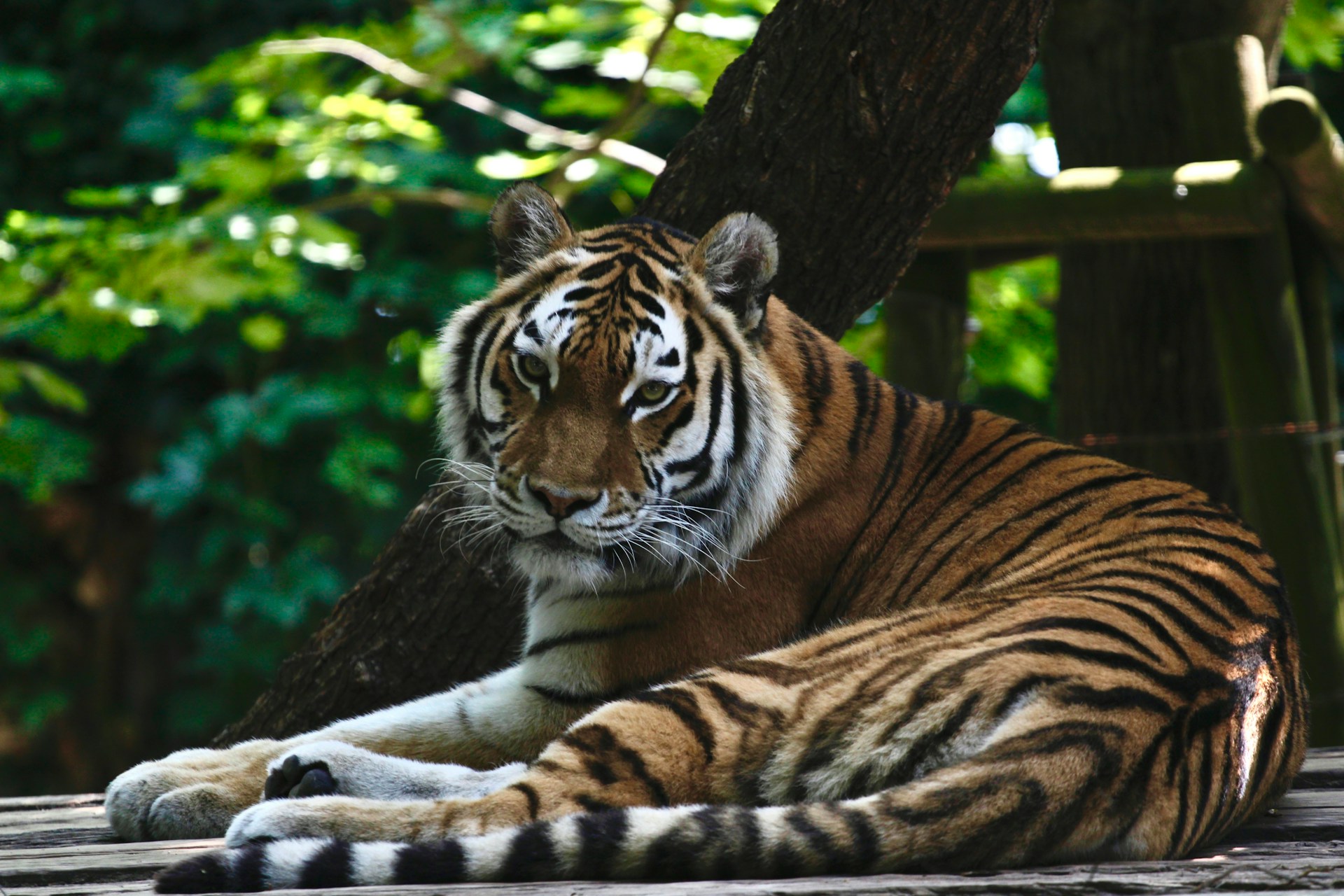
- Asia: Three species of python, four species of pangolin, three species of turtle, two species of bird and two species of tiger
- Oceania: Short-beaked echidna
Though multiple legal organizations have been able to track these animals, it’s still not clear what species of some of these animals are being traded. This means there’s currently a gap in determining how this chain impacts endangered ecosystems and animals.
Unfortunately, the illegal wildlife trade is one of the most profitable crime sectors in the world. The market for their products is up to $20 billion annually. Perpetrators also have a low risk of being prosecuted, so the trade attracts both locals trying to make fast money and international crime groups. One raid operation recovered 75 pounds of pangolin scales and 2,067 pounds of ivory worth around $3.5 million. Unreported fisheries are estimated to profit between $4.2 billion and $9.5 billion yearly.
Studies have noted that the prevalence of online videos instructing viewers on how to capture some species has increased poaching, particularly in Southeast Asia. They have also found that social media significantly fuels this animal trafficking. Over 70% of the trade was happening on these platforms by 2013, while the COVID-19 pandemic encouraged more physical markets to go digital.
One research team found multiple listings saying these animals are great companions during lockdown or that families would now have more time to care for their new exotic pet. After restrictions lifted, they also saw an uptick in relinquishments to animal shelters and sanctuaries.
Why Do People Still Buy Illegal Animals?
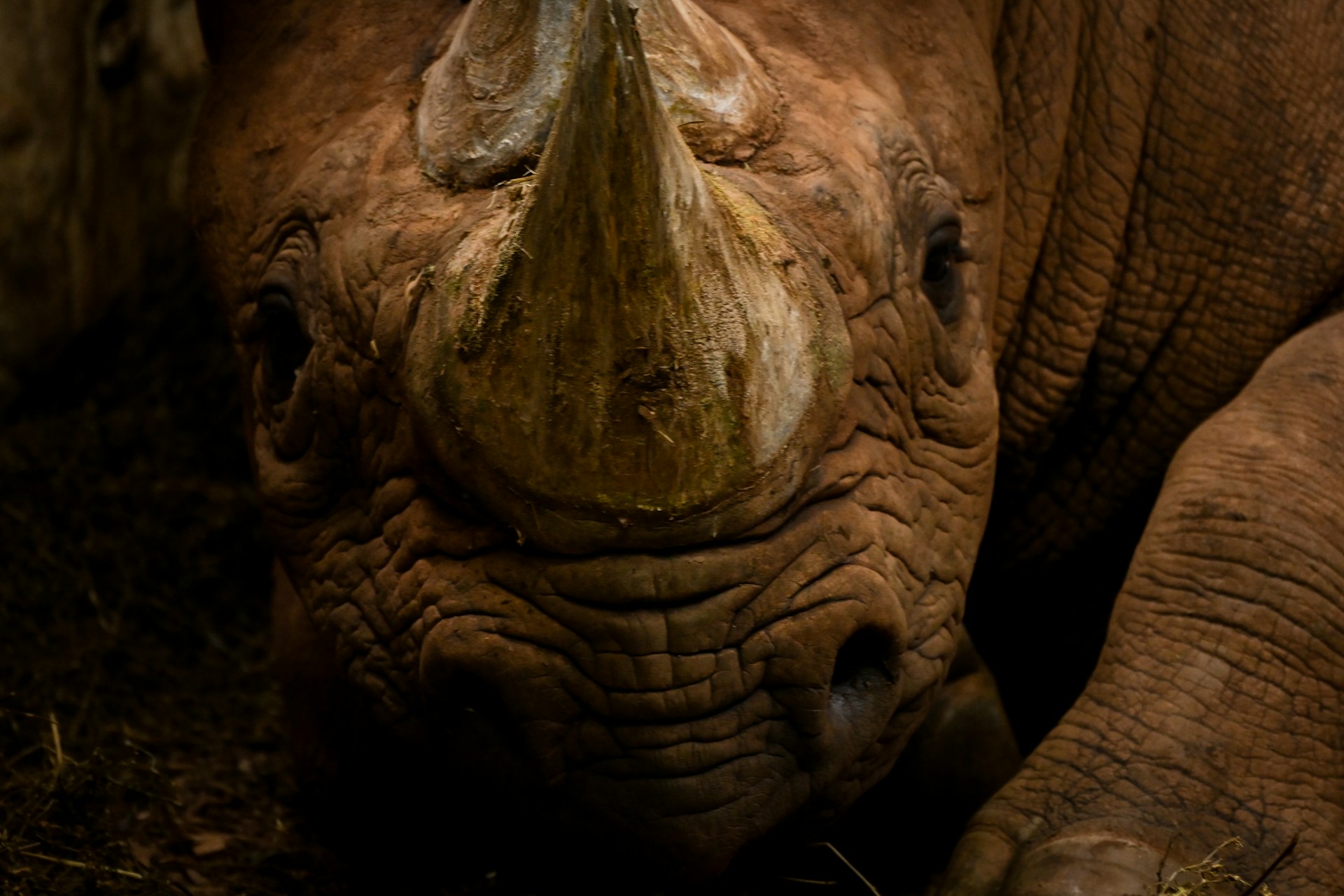
Why is the illegal wildlife trade still alive and well today? Sadly, there are still many today who see ownership or consumption as a sign of status, while others still believe in the medicinal properties of some of these animals’ products. For instance, while there are many who currently believe rhino horn can solve a multitude of health problems, research has found all beneficial minerals in it are present at such low concentrations that they pose no benefit or risk.
There are also plenty of people who still desire to cage wild animals. Were you one of the many who tuned into Tiger King during the pandemic? Though the documentary focuses on the zoo’s owner, it also dives a bit into the illegal wildlife trade within the United States. There are still multiple private zoos and private owners who offer cub-petting photo sessions or simply keep the animals for themselves because they want to.
Because of this, international groups still steal these creatures from their habitats. Studies have found that animal trafficking — which is included in global exploitation of natural resources — could be an even larger driver of biodiversity loss than climate change.
What’s Being Done About the Illegal Wildlife Trade Today
Thankfully, modern technology is doing a lot of legwork in combatting the capturing and poaching of these animals. Drones and acoustic sensors are being used to catch poachers, while a variety of forensic sciences are being employed to determine where and how crimes took place and connect crime scenes.
Experts can also use forensics to find a specific animal’s origins to determine if it was stolen and if that place is a poaching hotspot. These methods have most recently assisted several fish species and the short-beaked echidna. They can also use radiocarbon dating to assess the age of a product like ivory and judge whether it was legally traded.
In 2024, nine international entities united with the World Shipping Council to create guidelines that help supply chain players identify criminal wildlife trading, as well as how to report it. Collaboration is key to ending this activity, and this initiative brings the world another step closer to doing so.
Ending the Illegal Wildlife Trade
Unfortunately, there is still much to be done to end the illegal wildlife trade. People are still interested in buying exotic pets for the status or aesthetic they believe it gives them, while others still consume their products for the perceived health benefits. The struggle with traceability means many perpetrators go unpunished, and buyers are still willing to pay top dollar. Thus, this trafficking ring proceeds to be one of the most lucrative crime sectors worldwide.
Luckily, there are initiatives running that aim to crack down on the animal trade. Support is critical in the effort to keep wildlife where it belongs. While there may not be much the typical person can do, offering assistance in any feasible way — whether through volunteering, finances or spreading awareness — helps in the fight.
Share on
Like what you read? Join other Environment.co readers!
Get the latest updates on our planet by subscribing to the Environment.co newsletter!
About the author

Grace Waters
Always inspired by the natural world around her, Grace grew up exploring tide pools and hiking mountain trails, developing a deep appreciation for biodiversity and conservation. Now, Grace works as the Senior Editor of Environment.co where she covers topics related to emerging clean technologies, zero-waste initiatives, and the intersection of environmental policy and everyday living.