We are reader-supported. When you buy through links on our site, we may earn affiliate commission.
For many people, houseplants represent more than decoration. They’re tied to wellness, cleaner indoor environments, and a growing interest in sustainable living. Yet maintaining healthy plants can feel difficult when work schedules, commuting, family obligations, and digital overload leave little spare time.
The good news is that sustainable houseplant care doesn’t have to be complicated or time-consuming. Many eco-friendly plant practices are designed to reduce waste, conserve resources, and simplify maintenance. Instead of demanding constant attention, a thoughtfully managed indoor garden can become one of the lowest-maintenance parts of a home.
For busy adults balancing modern life with environmental values, the key is choosing systems and habits that work efficiently over the long term.
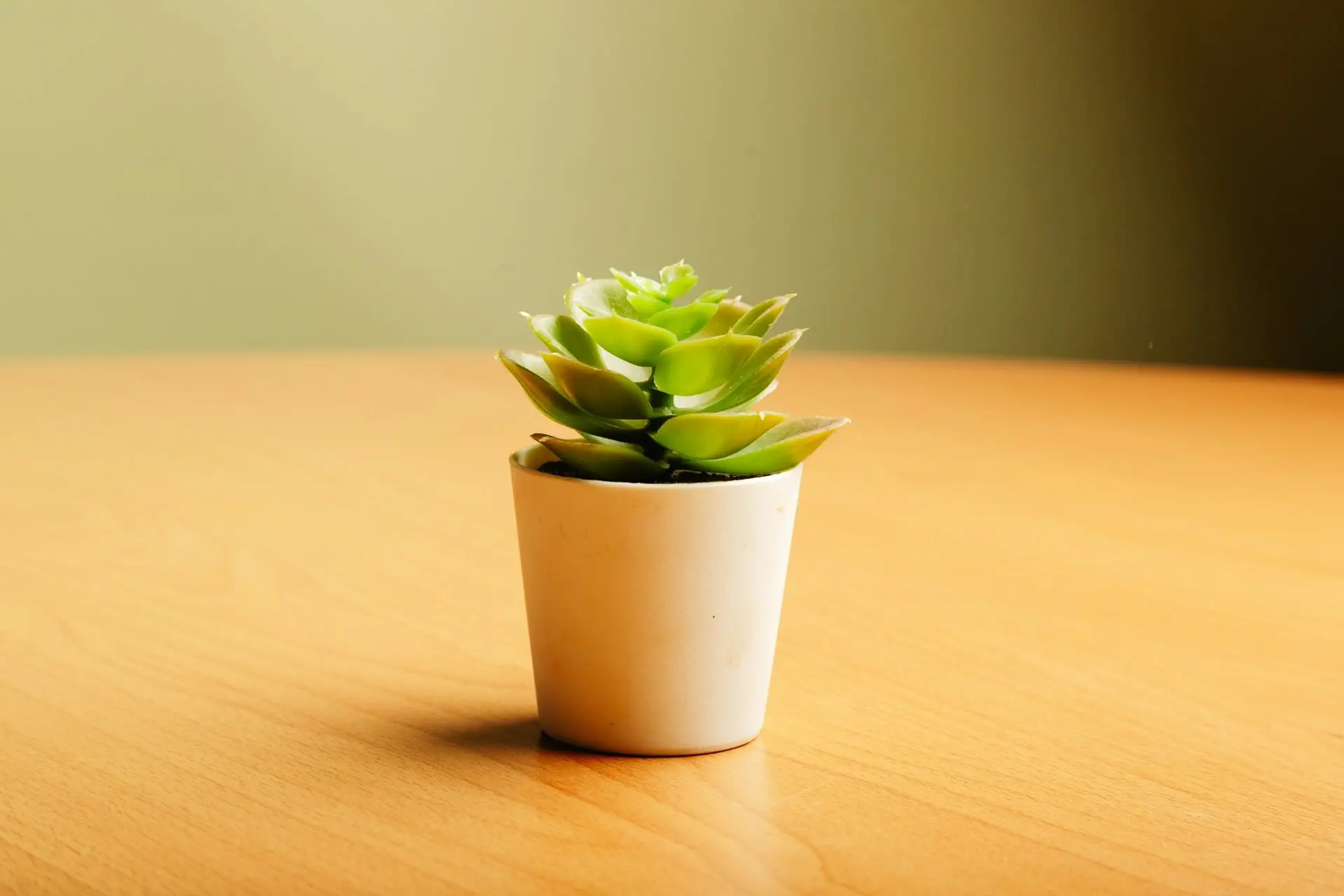
One of the most sustainable choices happens before a plant even enters the home. Selecting species that naturally thrive indoors reduces water use, fertilizer needs, and the likelihood of replacement after plant failure. Low-maintenance plants are especially useful for people with inconsistent schedules or limited natural light. Species such as ZZ and pothos thrive in a range of light conditions and continue to grow steadily.
Choosing resilient plants also supports sustainability by reducing unnecessary consumption. Frequent replacement of dead plants increases demand for plastic pots, packaging, and shipping, as well as for resource-intensive greenhouse production. A hardy plant that survives for years is ultimately far more eco-friendly than repeatedly buying delicate varieties that struggle indoors.
Native climate considerations matter as well. In humid regions, tropical houseplants generally require less intervention than species adapted to dry or cool environments.
Overwatering remains one of the most common reasons houseplants decline. Ironically, it also wastes water and encourages fungal problems that lead to more maintenance later. Busy plant owners often benefit from shifting away from rigid watering schedules. Instead of watering every Sunday out of habit, sustainable care focuses on observing soil conditions. Many houseplants prefer drying slightly between waterings, which saves time and reduces resource use.
Simple tools can make the process easier:
Collecting rainwater is another environmentally conscious option when feasible. Even small containers placed outdoors during rainfall can provide chemical-free water for indoor plants. For people in apartments or urban homes, leftover filtered water from reusable bottles or cooled cooking water can sometimes be repurposed rather than discarded. Small adjustments like these contribute to lower household waste over time.
Sustainable houseplant care extends below the surface. Many conventional potting mixes rely heavily on peat moss, a material linked to environmental concerns because peatlands store significant amounts of carbon. Eco-conscious plant owners increasingly look for peat-free or reduced-peat soil blends made with alternatives such as coconut coir, composted bark, or sustainable forest products.
Fertilizer habits also deserve reconsideration. Overfertilizing not only damages plants but can also contribute to unnecessary chemical runoff and product waste. Slow-growing indoor plants generally need less feeding than many people assume.
Household organic waste has a notable environmental impact. In the United States, around 35.4 million tons of yard trimmings are discarded each year, representing roughly 12.1% of municipal solid waste. A large portion of this could be composted rather than landfilled. For houseplant care, this underscores the benefit of compost-based inputs, which help cut waste while offering an affordable, nutrient-rich alternative to synthetic fertilizers.
Instead of frequent synthetic fertilizers, busy households may benefit from simpler, lower-maintenance approaches:
Less fertilizer often means slower but healthier growth, which can reduce pruning and repotting demands later.
Social media has helped popularize houseplants, but it has also encouraged rapid collecting habits that can become stressful, expensive, and unsustainable.
A home filled with dozens of plants may look appealing online, yet large collections often require significant water, fertilizer, electricity, and time. For busy adults, fewer well-cared-for plants usually create a healthier balance.
Curating a manageable collection allows plant owners to focus on long-term plant health rather than constant purchasing. It also reduces the likelihood that neglected plants will develop pest issues or require emergency interventions. Sustainability often works best when paired with realism. A few thriving plants can improve indoor spaces just as effectively as a crowded indoor jungle.
Houseplants are often marketed as environmentally friendly, but the industry still generates considerable plastic waste through nursery pots, packaging, and accessories. Sustainable plant care involves reusing materials whenever possible. Plastic nursery containers can be washed and reused for propagation or repotting. Decorative ceramic or terracotta pots typically last much longer than thin plastic alternatives.
Busy plant owners can also simplify routines by minimizing unnecessary products. Many specialty sprays, shine products, and single-use accessories marketed to plant enthusiasts provide little practical value.
Instead, reusable basics often work best:
Buying fewer accessories saves money while reducing clutter and long-term plastic consumption. This matters in a broader context — only about 9% of plastic waste is recycled globally. Reusing plant pots rather than discarding them, therefore, becomes part of a broader waste-reduction effort, not just a small household choice.
Preventive care saves both time and resources. Instead of reacting to yellow leaves, fungus gnats, or root rot after they appear, busy plant owners can establish small habits that prevent larger issues.
A quick weekly check-in often makes the biggest difference. Spending five minutes observing leaves, soil moisture, and drainage conditions can catch problems early before expensive treatments become necessary. Good plant placement matters too. Plants positioned in appropriate light generally need less water, less fertilizer, and fewer interventions overall.
Sustainable prevention strategies include:
Neem oil, insecticidal soap, and manual cleaning methods are often sufficient for small indoor infestations without relying heavily on harsher chemicals.
Technology can support sustainable houseplant care when used thoughtfully. While not every plant owner needs smart devices, certain tools can help reduce wasted water and prevent plant loss.
Moisture sensors, timer-based grow lights, and reminder apps can simplify maintenance for people with demanding schedules. Automated systems are especially useful for travelers or remote workers balancing irregular routines. Energy-efficient LED grow lights are another practical option for homes with limited sunlight. Compared to older lighting systems, LEDs consume less electricity while producing less excess heat.
However, sustainability also means avoiding unnecessary consumption. Not every plant requires advanced gadgets. The most effective systems are usually simple, durable, and easy to maintain over time.
Sustainable houseplant care doesn’t require perfection or constant attention. For busy people, the goal is building practical routines that support both plant health and environmental responsibility without adding unnecessary stress. Simple choices often have the greatest impact — buying fewer plants, watering more carefully, reusing containers, and selecting resilient species suited to indoor conditions.