We are reader-supported. When you buy through links on our site, we may earn affiliate commission.
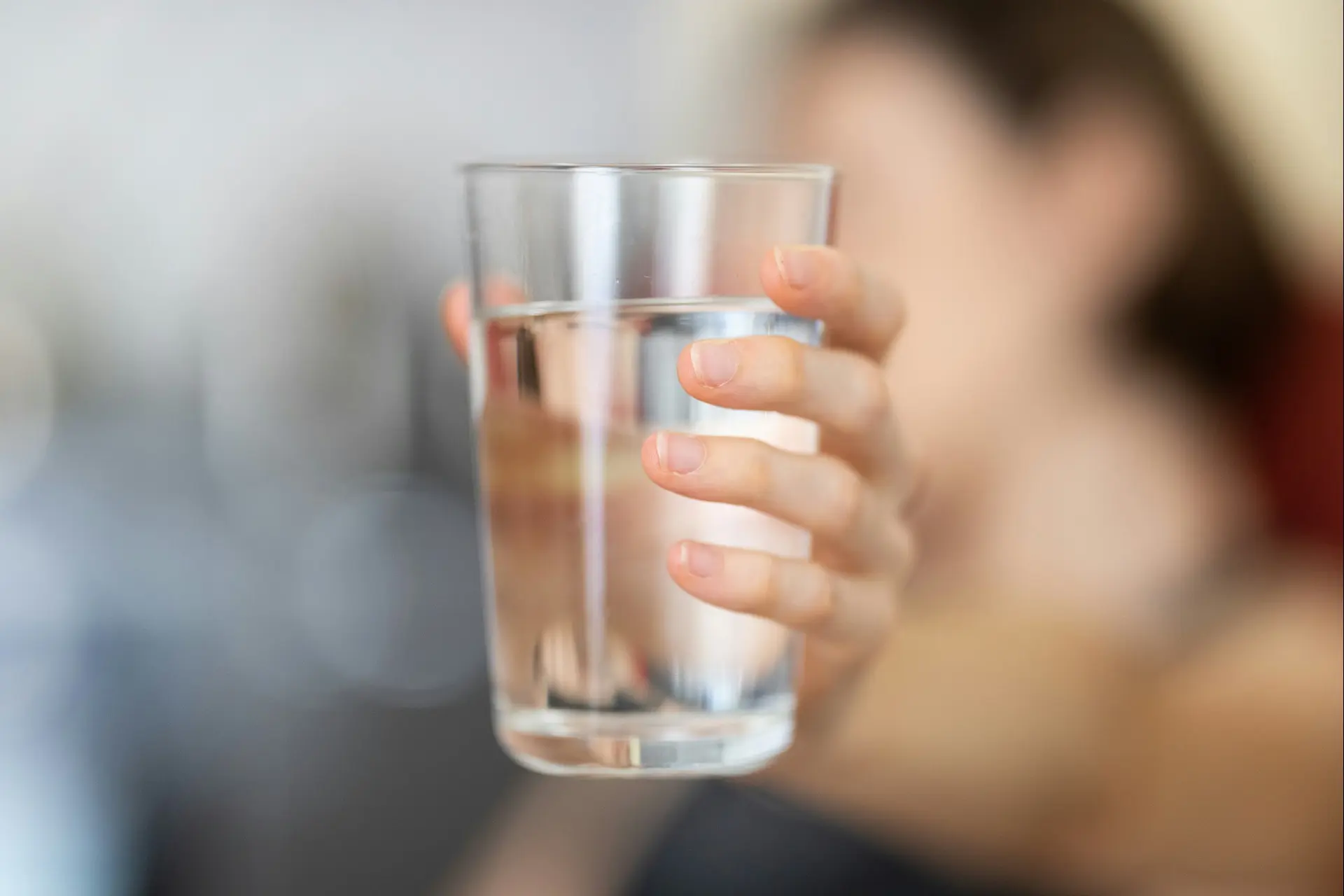
Travelers often wonder whether tap water is safe to drink in their destination country. While some countries maintain exceptional water quality standards, access to clean drinking water remains unevenly distributed worldwide. The nations with the safest tap water invest heavily in infrastructure, rigorous testing, and protected natural sources to ensure every glass meets international safety benchmarks.
Clean drinking water seems to be a privilege. Globally, more than 785 million people lack access to basic water services, and over 884 million people do not have safe water to drink. These staggering numbers highlight the enormous gap between nations with advanced water treatment systems and regions where contaminated water sources threaten public health daily.
The countries with safe tap water in this guide are but a small fraction of the global population. Their success stems from decades of investment in water infrastructure, strong regulatory frameworks and geographic advantages that many developing nations lack. Understanding what sets these high-performing countries apart underscores the complexity of delivering clean water to every household.
Safe drinking water is water that meets strict standards that protect against biological contaminants, chemical pollutants and other health hazards. The World Health Organization (WHO) provides guidelines that form the basis for national water quality regulations worldwide. These international benchmarks address risks from microorganisms, heavy metals, and industrial byproducts that may cause serious illness.
Regulatory agencies monitor more than 90 contaminants in drinking water supplies. This approach covers microorganisms like bacteria and viruses, inorganic compounds such as lead and arsenic, organic chemical contaminants from industrial processes, agricultural runoff, and disinfectants or their byproducts used in water treatment. Rigorous testing protocols and well-maintained treatment facilities remove these threats before water reaches consumers.
Data from the World Population Review shows which countries have the highest water quality, as assessed by rigorous international standards. These rankings help travelers decide where they can safely drink tap water and may inform decisions for those considering relocation to countries with exceptional standards.
Germany maintains some of Europe’s strictest water quality regulations. German water utilities continuously monitor more than 50 parameters, and the country’s robust infrastructure ensures consistent quality from alpine sources to urban distribution networks.
The United Kingdom enforces strict standards through regular testing at treatment plants and customer taps. UK water companies invest billions annually in infrastructure upgrades and source-protection measures to keep supplies safe across England, Scotland, Wales, and Northern Ireland.
Italy delivers high-quality tap water despite common misconceptions among tourists. Italian municipalities source water from protected mountain springs and aquifers, then treat it to meet European Union (EU) standards that rank among the world’s most stringent.
Greece benefits from abundant natural springs and modern treatment facilities installed over the past two decades. Greek islands and mainland cities alike provide tap water that meets all international safety standards, though some remote areas still rely on bottled water due to limited infrastructure.
Alpine lakes and underground sources provide Switzerland with naturally pure water that requires minimal treatment. The country’s decentralized water management system gives local utilities the autonomy to maintain exceptional quality standards.
Finland leverages its extensive network of clean lakes and groundwater reserves. Finnish water treatment plants use advanced filtration methods, and the country’s sparse population reduces pollution pressures that challenge more densely populated nations.
Since 2014, significant upgrades to Ireland’s water system have transformed service delivery nationwide. The establishment of Irish Water as a national utility brought standardized quality monitoring and treatment protocols that ensure safe tap water throughout the country.
Protected mountain watersheds and deep aquifers supply Norway with naturally pure water. Norwegian municipalities maintain treatment facilities that preserve this natural purity while meeting strict national standards that often exceed international requirements.
Luxembourg operates a highly efficient water management system despite its small size. The country’s water suppliers collaborate across borders with neighboring nations and maintain rigorous testing protocols that ensure consistently safe drinking water.
Canada holds 20% of the world’s freshwater reserves and manages them through federal and provincial regulatory frameworks. Canadian cities invest in modern treatment technologies, though some remote Indigenous communities still face water quality challenges that require ongoing attention and funding.
Glacial runoff and geothermal aquifers give Iceland some of the purest tap water on Earth. The water naturally filters through layers of volcanic rock, and the country’s cold climate and low population density minimize contamination risks.
Despite facing chronic water scarcity, Australia maintains high standards across its major cities. Australian utilities are known for their advanced treatment methods, including desalination and water recycling, that ensure safe drinking water even during extended droughts.
Austria sources most of its drinking water from alpine springs and groundwater. Austrian law protects these water sources from development and pollution, and the country’s treatment facilities preserve the natural quality that makes Austrian tap water exceptionally pure.
Singapore demonstrates that advanced technology can overcome natural resource limitations. The city-state imports water from Malaysia, captures rainwater through an extensive reservoir system and operates desalination plants that produce drinking water meeting the strictest international standards.
Portugal invests in modern filtration systems that deliver safe tap water across the country’s urban centers and rural communities. The nation’s water infrastructure combines natural mountain springs in the north with advanced treatment facilities in coastal cities. Portuguese authorities enforce EU water safety directives and conduct regular quality assessments to protect public health.
Top-ranked nations share common characteristics that enable them to consistently deliver safe tap water. These factors work together to create systems that protect public health and maintain environmental standards.
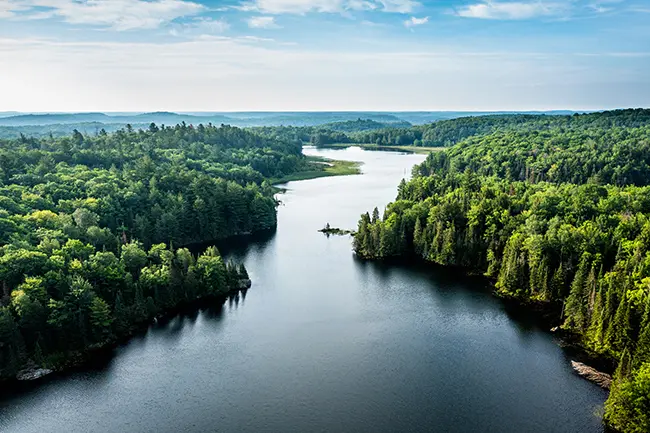
Alpine springs, deep aquifers, and pristine watersheds provide the foundation for safe drinking water in many of the countries with the highest water quality. These sources require less intensive treatment than rivers flowing through agricultural or industrial areas. Many people know that Earth’s surface is roughly 70% water, but this statistic misrepresents the accessibility of water to humans. The truth is, much of that water exists as ice caps or sources that require treatment before consumption or industrial use.
Conservation zones and pollution controls help governments maintain higher baseline purity in their watersheds. Switzerland and Iceland benefit enormously from geography that provides naturally filtered water, while nations with heavily populated watersheds must invest more in treatment strategies to achieve the same results.
Modern water treatment facilities and distribution networks separate high-performing countries from those struggling to provide safe drinking water. These systems remove contaminants, add necessary minerals, and monitor quality from source to tap. Austria offers a prime example with Vienna’s First Mountain Spring Pipeline, built in 1873. The gravity-fed system brings pristine alpine water to the city and requires no chemical treatment.
Pipe replacement programs, leak detection systems, and backup supplies go beyond treatment plants to ensure reliability. Prioritizing these upgrades enables governments to maintain consistently safe supplies even as their populations grow.
Natural resources and infrastructure deliver results only when supported by strong regulatory oversight. Governments in countries with safe tap water establish rigorous standards, require regular testing, and enforce penalties for violations. These policies align with the WHO guidelines.
Frequent sampling at multiple points in the distribution system catches contamination events quickly and enables utilities to respond before consumers face health risks. The combination of preventive measures and responsive monitoring creates systems that maintain public trust in tap water safety.
The privilege of safe tap water reflects generations of public investment and environmental stewardship. Travelers who drink confidently from taps in these 15 countries benefit from systems that many communities worldwide still lack, highlighting the ongoing importance of supporting clean water access initiatives globally.