We are reader-supported. When you buy through links on our site, we may earn affiliate commission.
Old batteries have a way of piling up in junk drawers and storage bins, leaving many people unsure of the right next step. Tossing them in the trash creates serious environmental and safety risks, while battery recycling options can feel unnecessarily complicated. This guide cuts through the confusion with clear do’s and don’ts that make proper battery disposal straightforward and accessible.
Batteries contain valuable materials that deserve a second life. When people throw them in the trash, certified battery electronics recyclers lose access to lithium, cobalt, graphite and other critical components that could be recovered and reused. The Environmental Protection Agency emphasizes that proper disposal through authorized facilities protects both public health and the environment from the hazardous substances these power sources contain.
The shift toward renewable energy has increased demand for these elements at an unprecedented rate. Clean technologies depend heavily on mining for lithium, cobalt, copper, and nickel. An electric car requires about six times more mineral inputs than a gas-powered vehicle. Recycling helps reduce the need for new mining operations while supporting the clean energy transition. Every battery recycled rather than discarded means fewer environmental impacts from extracting new materials.
Proper disposal also addresses a pressing safety concern. Batteries that end up in household hazardous waste collection centers receive the specialized handling they require. The alternative puts waste management workers and communities at risk from chemical leaks, fires, and environmental contamination. These centers employ trained staff who know how to safely process different battery chemistries.
Learning the right way to recycle batteries starts with understanding what actions support safe, effective disposal. Five key practices help anyone handle old batteries responsibly.
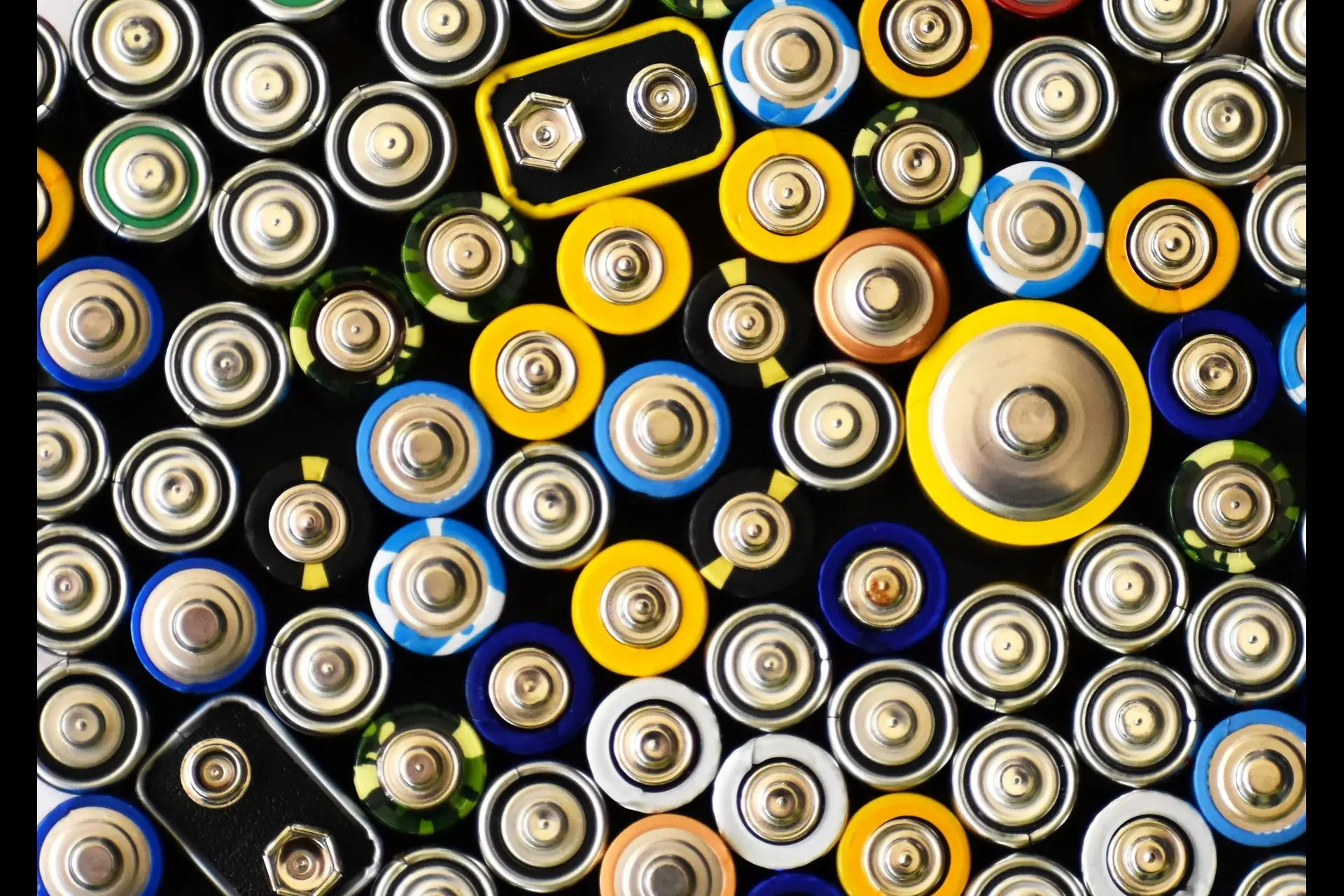
Battery disposal methods depend on the chemistry involved. Alkaline types power many household items, such as remote controls and flashlights, through single-use designs. Smartphones, laptops, and power tools typically rely on rechargeable lithium-ion versions. Lead-acid models run vehicles like cars, boats, and motorcycles while also providing backup power for equipment. Electric vehicles use medium to large lithium-ion cells that recharge at charging stations. Knowing the type on hand determines the best recycling path and ensures proper handling at collection sites.
Many communities have local hazardous waste collection sites that accept them year-round. Retail stores often provide drop-off programs, particularly for rechargeable types. Mail-in services offer convenience for people without nearby locations.
A quick search for battery recycling programs in a specific area usually reveals several accessible choices. Many municipalities also host special collection events where residents can drop off batteries along with other hazardous household items.
Safety preparations prevent accidents during transport and processing. Taping the terminals of some batteries, especially lithium-ion types, keeps them from touching and causing a spark. Clear plastic bags provide an additional safety measure by keeping individual units separated.
Take a few minutes to recycle old batteries safely to protect everyone who handles them afterward. These simple steps reduce the risk of fires or chemical reactions during collection and sorting.
Bulging, leaking, or otherwise compromised batteries need immediate attention and often require procedures different from those for intact units. Many recycling centers have specific protocols for damaged items. Call ahead to ask about their requirements to ensure proper handling and avoid potential hazards. Some locations may ask people to place compromised batteries in sand or another nonconductive material before transport.
Friends, family members and co-workers often appreciate learning about accessible drop-off options. Simple conversations about the importance of keeping batteries out of regular trash can inspire others to adopt better practices. Communities benefit when more people understand and follow proper handling methods. Workplace recycling programs and neighborhood initiatives can make participation even easier.
These common mistakes create unnecessary risks and undermine environmental protection efforts. Knowing the right way to recycle batteries means recognizing harmful practices and choosing better alternatives.
Batteries should never go into municipal recycling bins alongside paper, plastic, and other household recyclables. Lithium-ion types have become a leading cause of fires at waste and recycling facilities across the country. Data shows that fires caused by improperly disposed batteries increased by about 26% from 2022 to 2025.
Disposable vaping devices also contribute to this growing problem. The machinery used to process regular recyclables can puncture or crush batteries, triggering dangerous reactions.
Many everyday products contain hidden power sources that require special handling. Singing greeting cards, smartwatches, fitness trackers, disposable vapes, and cordless power tools all contain batteries that many people overlook. When these items reach the end of their useful life, they need to be treated as battery waste. Electronic waste recycling programs typically accept these items and properly handle their extraction.
Manufacturers design some batteries to stay permanently installed in their devices. Forcing them out can damage the device and create safety risks. Lithium-ion types in particular become dangerous when punctured or crushed. Products with non-removable power sources need to go to recycling centers intact, where trained professionals can extract them safely.
Many households accumulate drawers full of old batteries with good intentions of recycling them later. This habit increases the risk of leaks or electrical shorts over time. The EPA warns that even used batteries retain enough charge to pose hazards. Regular recycling trips prevent these risks while ensuring materials get recovered promptly. Setting a quarterly reminder to drop off accumulated batteries can help turn good intentions into consistent action.
Keeping different battery chemistries together creates unnecessary safety issues. Alkaline, lithium-ion, and lead-acid types have varying voltages and chemical properties. When combined during storage or transport, these distinctions can lead to short circuits or chemical reactions. Separating them by type using labeled bags or containers until drop-off protects everyone involved in the recycling process.
Small, consistent actions create meaningful environmental impact. People who integrate battery recycling into their regular routines help conserve finite resources, reduce mining pressures, and protect communities from preventable hazards. These individual choices, multiplied across thousands of households, contribute to a more sustainable energy future for everyone.