We are reader-supported. When you buy through links on our site, we may earn affiliate commission.
In the battle between Wall Street’s financial interests and the need for sustainability, the planet often draws the short straw. Scores of companies have issued RTO orders, which you undoubtedly received with dismay if you’re environmentally conscious. You may have already begun your search for green commuting ideas or even a new job.
The transportation sector is the biggest contributor to climate change, and most of the emissions come from personal vehicles. However, you have alternatives to climbing behind the wheel. What should you consider if you got the dreaded “all hands on deck” email? Here are five green commuting ideas to use if forced to RTO.
Everything you do takes energy. Walking is the best type of green commuting overall, as it produces zero emissions and ups your daily step count in the bargain. However, doing so is impractical for people who live more than ten to 15 minutes from the office.
The problem compounds if you typically schlep project materials between work and home. Now, you have an armload to account for that makes walking or biking impractical. Even riding a bus can become a headache if laden with blueprints or client files, not to mention a security risk.
The greenest commute is none, so advocate for remote work if possible. Even though your home utility bills increase slightly, it pales compared to generating two sets of emissions for separate buildings, especially while one sits vacant. If your team hasn’t yet decided whether to RTO, consider the following benefits to maintaining a WFH model:
There are other less tangible benefits. For example, telecommuting employees are often healthier, which means fewer doctor visits — and lower premiums if you provide benefits.
What prevents people from green commuting practices? Three factors play significant roles:
What are your choices for green commuting if you must RTO? The following five methods can get you to your destination with less environmental damage.
Public transportation doesn’t only reduce emissions by lowering the number of cars on the road. Many cities and municipalities have switched to alternative fuel buses, which create few, if any, emissions. Some use biofuel, while others run on electricity.
Depending on where you live, you may have access to buses, light rail, a subway system or a combination of all three. It could take a little time to devise the fastest route — look at it as an intellectual challenge.
If it’s time to upgrade the family truckster, consider an electric vehicle. These produce no tailpipe emissions, making the air safer for everyone.
Additionally, you’ll save a fortune at the pump, although you’ll need a place to plug in and charge. Fortunately, more of these stations arise daily, meaning you shouldn’t struggle to get juice. Some locations have even experimented with solar panel-covered parking lots that power e-vehicles while supplying the excess to nearby real estate.
While some e-vehicles come with hefty sticker prices, not all break the bank. Hyundai, Chevrolet and Kia offer affordable models that won’t set you back any more than a traditional car.
Combining your workout with your commute saves time and may reduce some of the resentment you feel about leaving your living room behind. Some workplaces have shower facilities, letting you wash up before your shift if you get sweaty.
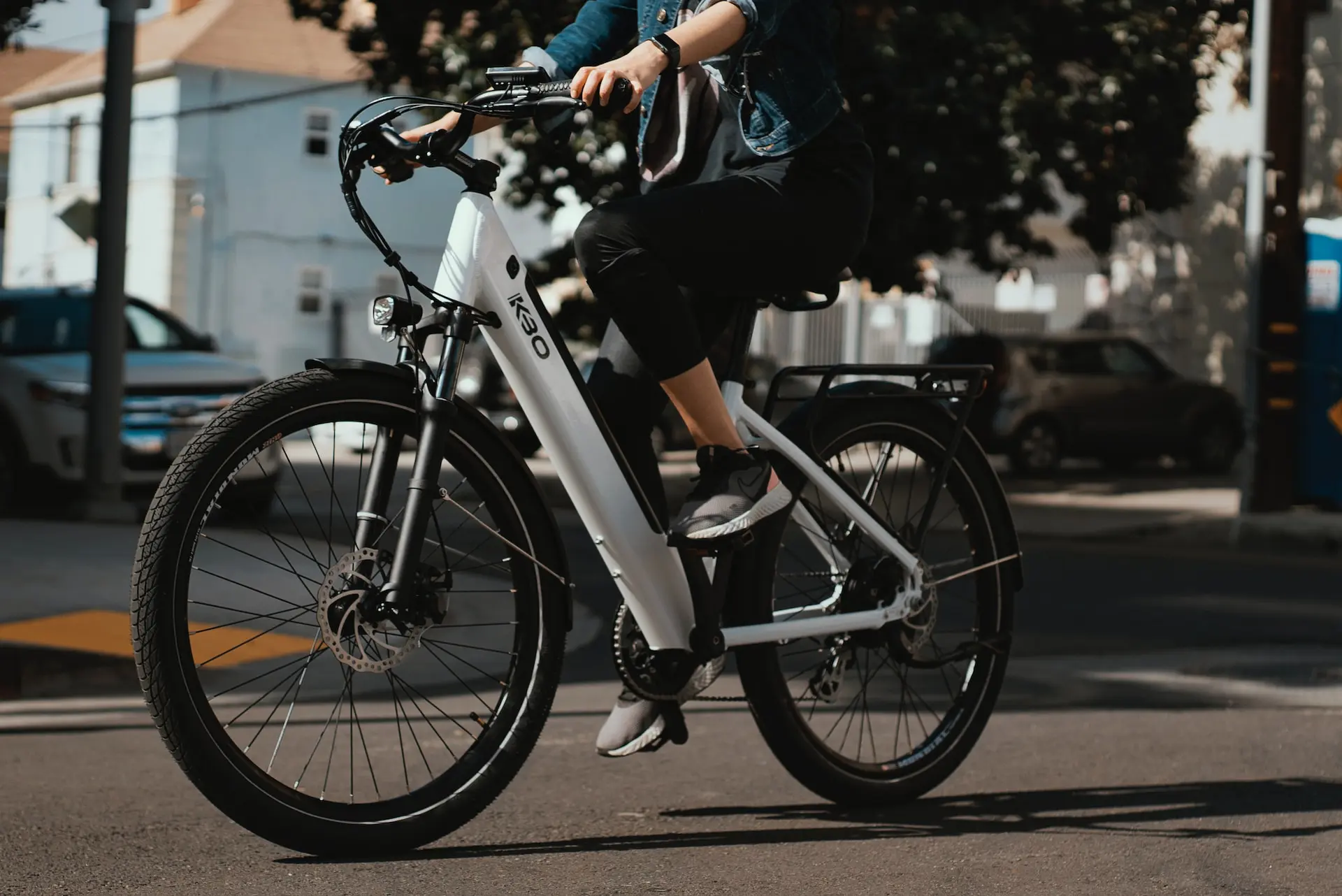
Of course, you could skip the armpit puddles. If you haven’t ridden an e-bike yet, you’re missing out on one of the most exciting and comfortable ways to get to work. You pickup wind speed in no time, keeping you much cooler than climbing into a car left sitting in the sun. Pedal assist and throttles power you up the steepest hills without effort. You’ll feel like Lance Armstrong and never break a sweat.
You could be in luck if you live in a progressive city. Some jurisdictions have implemented bike share programs so you can ride without investing in two wheels. A special token or chip lets you pickup your ride in one location and return it at another, all for a small per-use or monthly fee.
Carpooling gets relatively little press, but it’s a great green commuting method if you have to RTO. It’s best to share an e-vehicle, but driving one car to the office is still better than two or three separate ones in emission production.
This method works best if others live along your route — traveling out of your way can quickly become burdensome and produce unnecessary emissions. Check with your HR department about ride-sharing options or spearhead an initiative to encourage car-pooling.
As previously mentioned, walking is the only 100% green commuting method. It requires no mining to create batteries and produces no emissions.
Walking isn’t always practical if you live quite a distance from the office. However, you might have options. Does your partner or another family member work in a nearby office building? Consider driving one vehicle and walking from where you park.
If your environmentalist’s soul weeps at your RTO mandate, take heart. You have options for green commuting that can make going to the office less harmful to the planet.
Investigate the green commuting methods above and choose the best one — or a combination — that works for you. You’ll feel better about your daily trek until you find that full-time remote position you desire.