We are reader-supported. When you buy through links on our site, we may earn affiliate commission.
How to start a flower garden? A flower garden is a vibrant tapestry of nature’s beauty, a carefully curated space where blossoms of various hues and shapes intertwine to create a visual symphony.
It’s more than just a mere collection of plants. A flower garden is a testament to the artistry of cultivation, allowing individuals to transform outdoor spaces into living canvases.
The importance of flower gardens extends beyond their mere aesthetics. Flower gardens are significant in various life aspects, contributing to personal well-being and the environment. Here are some reasons why starting a flower garden is essential:
So, how to start a flower garden? Planning a flower garden involves thoughtful consideration of various elements. Here are some things to consider:
Evaluate the amount of sunlight the area receives throughout the day. Choose a location that aligns with the sunlight requirements of the selected flowers.
Consider how easily accessible the garden is for maintenance and enjoyment. Optimal locations are those that enhance the overall usability of the outdoor space.
Assessing the soil composition, drainage and fertility is also essential. Different flowers have specific soil preferences, so the location should match the chosen plants’ needs.
Awareness of microclimates within the garden is also crucial as they affect temperature and humidity. The location should be adjusted based on these microclimates to accommodate flowers with specific climate requirements.
Lastly, consider the visual impact on the overall landscape. It should complement surrounding elements, creating a harmonious and pleasing garden design.
Close to 50% of Australia’s flowers face a high risk of extinction. In India, nearly a fourth of the plants are also endangered. Initiating a flower garden can contribute to preventing the extinction of these vulnerable species.
In selecting flowers for a garden, one should prioritize climate suitability, considering local weather conditions to ensure that chosen flowers can withstand temperature fluctuations.
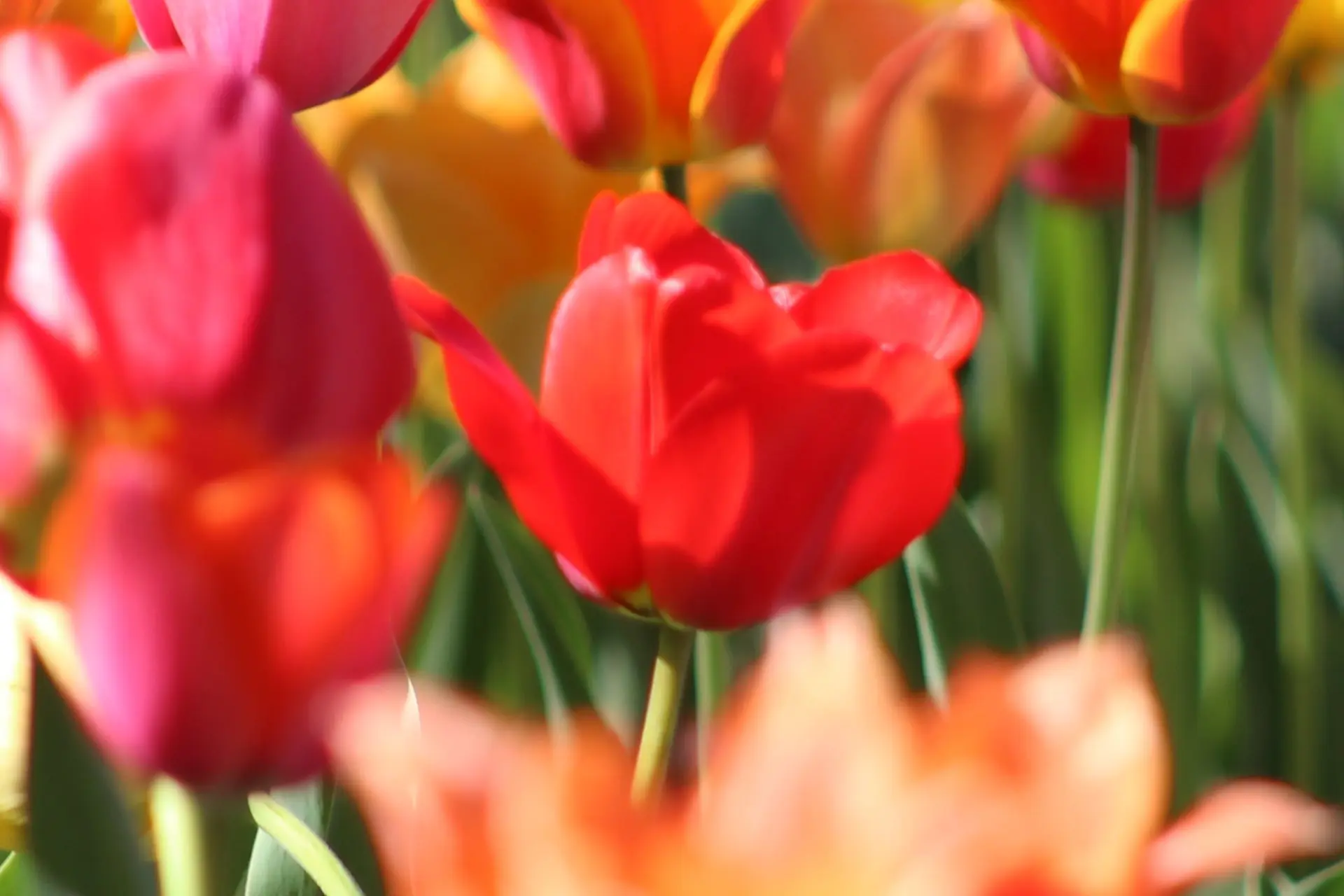
Aesthetic preferences are crucial, encouraging gardeners to select flowers that align with their desired garden look. This can be a vibrant burst of color or a more subtle and elegant display.
Maintenance level is also a key consideration when evaluating the time and effort one is willing to invest in garden upkeep. This leads to a choice between low-maintenance perennials or more demanding annuals.
Planning for a continuous display of blooms throughout the seasons is also essential. Individuals may achieve this by selecting various flowers with staggered bloom times.
Choose complementary varieties while considering factors like height, color and texture to create a balanced mix that enhances the overall visual appeal of the flower garden. Here are some examples of flowers to get started:
Gather essential tools like trowels, pruners and gloves for effective planting and maintenance. Invest in high-quality tools to make gardening tasks more efficient and fun.
Having the suitable soil for the flowers and considering factors like drainage and nutrient content is paramount. Make sure to have the appropriate fertilizers to promote healthy growth and vibrant blooms.
Mulch helps retain soil moisture and suppress weeds, so choose the suitable type for the garden. Invest in watering equipment such as hoses or drip irrigation systems to ensure proper hydration.
Maintain a consistent watering schedule to support plant health. Adjust the watering frequency based on weather conditions and seasonal needs.
Pruning encourages healthy growth and shape. It removes dead or damaged parts. Deadhead uses flowers to promote continuous blooming and a tidy appearance.
Follow a fertilization schedule appropriate for the flowers. Amend soil as needed to address nutrient deficiencies and ensure optimal soil health.
So, how to start a flower garden? Take a moment to reflect on the journey of planning, planting and caring for the flower garden.
Use the journey as motivation for exploring different flowers, designs and gardening techniques. Appreciate the growth, beauty and personal connection that will flourish throughout this gardening experience.