We are reader-supported. When you buy through links on our site, we may earn affiliate commission.
Nuclear energy is among the world’s most debated power sources. It produces massive amounts of electricity without burning fossil fuels, yet safety and waste concerns persist. Understanding the advantages and disadvantages of nuclear energy helps provide an informed perspective on its role in addressing climate change and meeting global energy demands.
Nuclear power plants generate electricity through nuclear fission. During fission, uranium atoms split in a reactor core and release enormous amounts of heat. This heat boils water to create steam, which then spins large turbines connected to generators that produce electricity.
Differing fundamentally from burning coal, natural gas or oil, the fission process operates without combustion. Nuclear reactions don’t burn fuel or release carbon dioxide and other greenhouse gases directly into the atmosphere. Within sealed rods, uranium fuel undergoes fission in a controlled environment inside the reactor vessel.
Using relatively small amounts of uranium fuel, a typical nuclear plant can generate electricity for years. Meanwhile, fossil-fuel plants require constant deliveries of coal or gas to keep running.
Nuclear energy offers distinct benefits but also presents serious challenges. Examining both sides reveals why this technology sparks such intense debate among energy experts, policymakers, and environmental advocates.
At a scale few other energy sources can match, nuclear plants deliver reliable, low-carbon electricity. For countries working to reduce emissions while maintaining stable electrical grids, these strengths make nuclear power an important option.
Nuclear energy produces minimal carbon emissions during operation. Unlike fossil fuel plants that burn coal or natural gas, nuclear reactors generate electricity without releasing greenhouse gases. Nuclear power ranks as the world’s second-largest source of low-carbon electricity after hydropower. Countries aiming to meet climate targets often include nuclear in their energy strategies because it provides clean power without the emissions that drive global warming.
Nuclear plants operate with exceptional reliability compared to other power sources. U.S. nuclear facilities run at a capacity factor above 92%, meaning they generate electricity more than 92% of the time. By contrast, solar and wind farms depend on weather conditions, producing power only when the sun shines or wind blows. Running continuously for months between refueling, nuclear plants provide steady power that keeps lights on and industries running regardless of the weather or time of day.
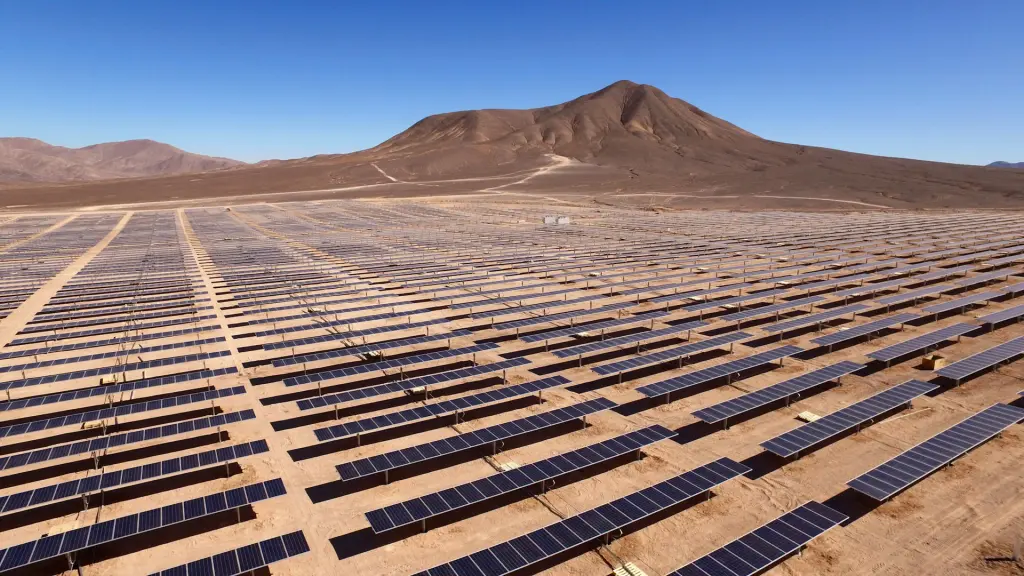
Compared with renewable alternatives that produce equivalent output, nuclear facilities require far less land. Typically occupying about a square mile, a nuclear plant generating 1,000 megawatts uses a fraction of the space needed for wind or solar. Wind farms producing the same output would need roughly 360 times the space, while solar installations would require about 75 times as much. In densely populated regions where available land is limited or valuable for agriculture and conservation, this compact footprint matters.
Centering on waste management, economics, and safety risks, nuclear energy’s drawbacks present significant challenges. These concerns shape public opinion and influence whether countries choose to build new reactors or phase out existing facilities.
For thousands of years, radioactive waste from nuclear plants has remained hazardous and requires secure long-term storage. Spent fuel rods contain uranium, plutonium, and other radioactive materials that emit dangerous radiation. The United States still lacks a permanent disposal site for high-level nuclear waste, storing spent fuel at reactor sites in pools and dry casks. Finding geologically stable locations willing to accept radioactive waste for millennia presents political and technical challenges that no country has fully solved.
Building nuclear plants also demands massive up-front investment and lengthy construction timelines. Costing billions of dollars, new reactors often take more than a decade to complete from planning through operation. Cost overruns plague nuclear projects, with recent U.S. plants exceeding initial budgets by years and billions of dollars. In contrast, solar and wind installations cost less per megawatt and start generating power within months or a few years. Without government support, the financial risk of nuclear construction discourages private investment.
Severe accidents, though rare, can devastate communities and contaminate vast areas for generations. The 1986 Chornobyl disaster in Ukraine and the 2011 Fukushima accident in Japan displaced hundreds of thousands of people and rendered surrounding regions uninhabitable.
Beyond radiation risks, nuclear facilities present security concerns, as they could become targets for terrorism or theft of radioactive materials. While modern reactor designs incorporate passive safety features that reduce accident risk, eliminating it entirely remains impossible.
Aiming to address the cost, safety, and waste challenges that limit current reactors, emerging nuclear technologies offer potential solutions. Small Modular Reactors (SMRs) are a promising direction, offering factory-built units with lower up-front costs and enhanced safety features. Deployable in locations where large traditional plants don’t fit, these SMRs include passive cooling systems that function without electricity or human intervention during emergencies.
Advanced fuel cycles and waste reprocessing techniques currently under development could reduce the volume and longevity of radioactive waste. Some next-generation designs burn waste from conventional reactors as fuel, thereby extracting more energy while reducing long-term storage needs. Still in experimental stages, fast reactors and thorium-based systems could transform nuclear energy’s waste profile if they prove commercially viable.
Nuclear energy offers a powerful tool for cutting carbon emissions, but the challenges are real. Waste lasts for millennia, plants cost billions to build, and accidents carry severe consequences. Newer technologies promise improvements, yet the question remains whether they can deliver safer, cheaper solutions. Nuclear’s role in a clean energy future hinges on answering that question.