We are reader-supported. When you buy through links on our site, we may earn affiliate commission.
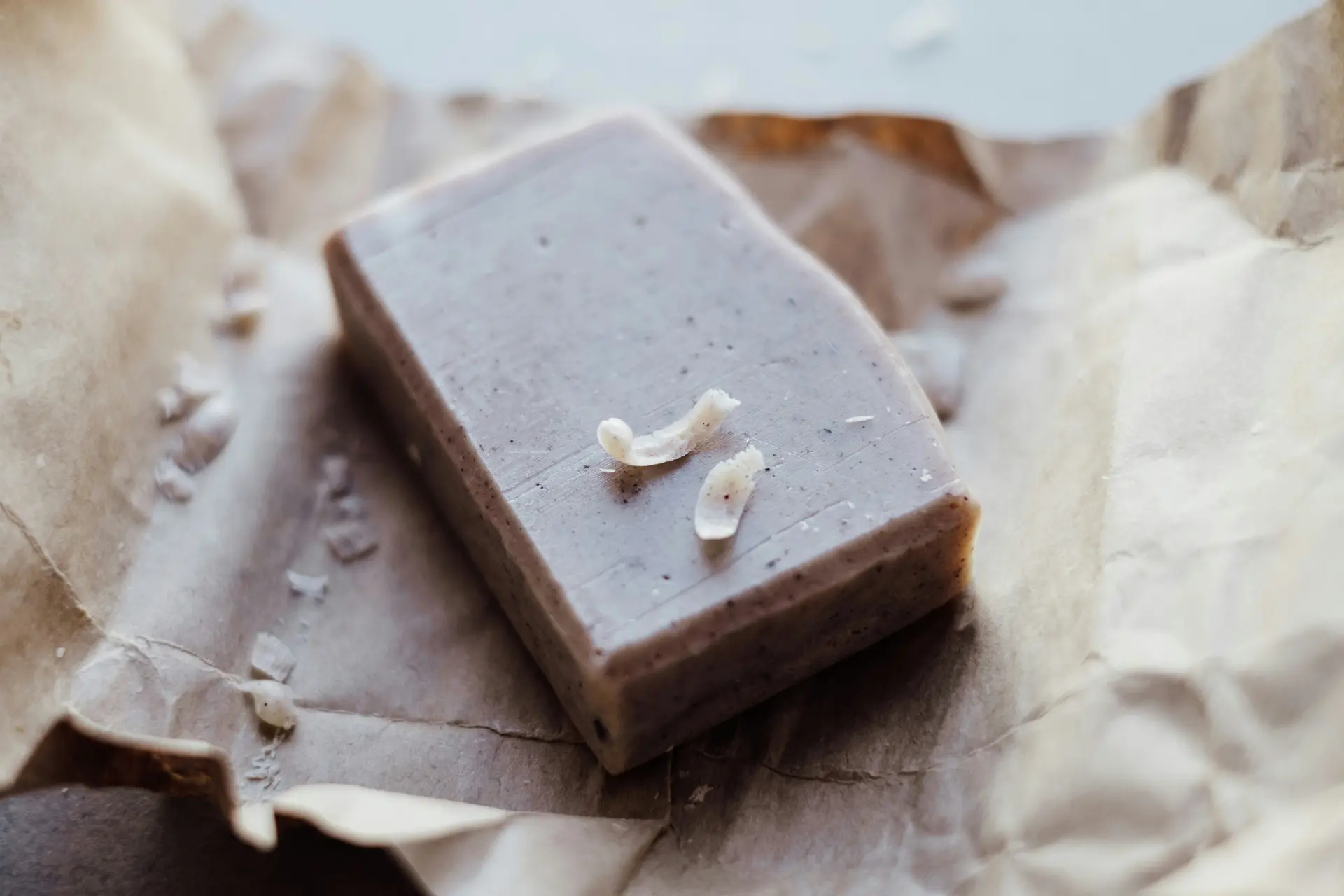
How to make soap at home is becoming more popular as people embrace sustainable living and the satisfaction of DIY projects. By crafting your soap with organic ingredients, you can avoid the harsh chemicals often in store-bought products, which is excellent for your skin and overall health.
Plus, it’s easy to reduce your environmental impact by reducing plastic waste and using natural, biodegradable materials. Making soap is a simple, fun, and eco-friendly way to take control of what you use every day while contributing to a greener planet.
Many commercial soaps marketed for skin cleansing contain chemicals like parabens and synthetic fragrances that can do more harm than good. Parabens — used to extend shelf life — have been linked to hormone disruptions. Meanwhile, synthetic fragrances often trigger allergic reactions or skin sensitivities.
These ingredients can irritate your skin and damage its natural barrier, leaving you with dryness, redness, or long-term issues. Worse, when these chemicals are rinsed away, they end up in waterways, polluting the environment and harming aquatic life.
You take better care of your skin and the planet by choosing organic soap. Organic soaps are free from harsh chemicals and use biodegradable, natural ingredients that won’t harm waterways or ecosystems. Plus, if you have sensitive skin, organic soap is a great alternative since it’s made with gentle, nourishing ingredients less likely to irritate. You’ll get all the cleansing benefits without worrying about harmful toxins or skin issues.
Starting with the right ingredients is essential to make your organic soap. Each component is pivotal in soap-making, from creating the lather to providing skin-nourishing benefits. Here are the key ingredients you’ll need to create a gentle, eco-friendly soap that’s good for your skin and the environment:
Before you begin making your organic soap, gathering the right tools and equipment is important. Proper supplies ensure a safe and efficient process while helping you achieve the best results. Here’s what you’ll need to get started:
Once you have all your ingredients and tools ready, it’s time to start making your soap. The process involves several key steps to ensure it turns out perfectly. Here’s a simple step-by-step guide to help you:
Making organic soap at home is excellent for your skin and the environment. One of the most significant eco-friendly advantages is reducing plastic waste. Many commercial soaps come in plastic bottles, which are notoriously difficult to recycle because they’re made from tiny pieces of different types of plastic. Creating your soap eliminates the need for plastic packaging, helping you reduce landfill waste and pollution.
On a personal level, learning how to make soap allows you to control what goes into it. This ensures you avoid allergens, harsh chemicals, and artificial additives in commercial soaps. This makes homemade options a much gentler alternative for sensitive skin and those prone to allergic reactions. With organic ingredients, you can rest easy knowing you’re not introducing harmful substances into your body or the environment.
One of the best parts about making your soap is the freedom to experiment and personalize each batch to suit your preferences. The possibilities are endless, whether you want to try different scents, colors, or textures. Here are some tips to help you get creative with your recipes.
Get creative with different ingredients and turn soap-making into a fun, sustainable hobby that benefits you and the environment. Starting today, you can enjoy healthier skin while contributing to a greener home and a more eco-friendly planet.