How to Forage: A Beginner’s Guide to Finding Food in the Wild
We are reader-supported. When you buy through links on our site, we may earn affiliate commission.
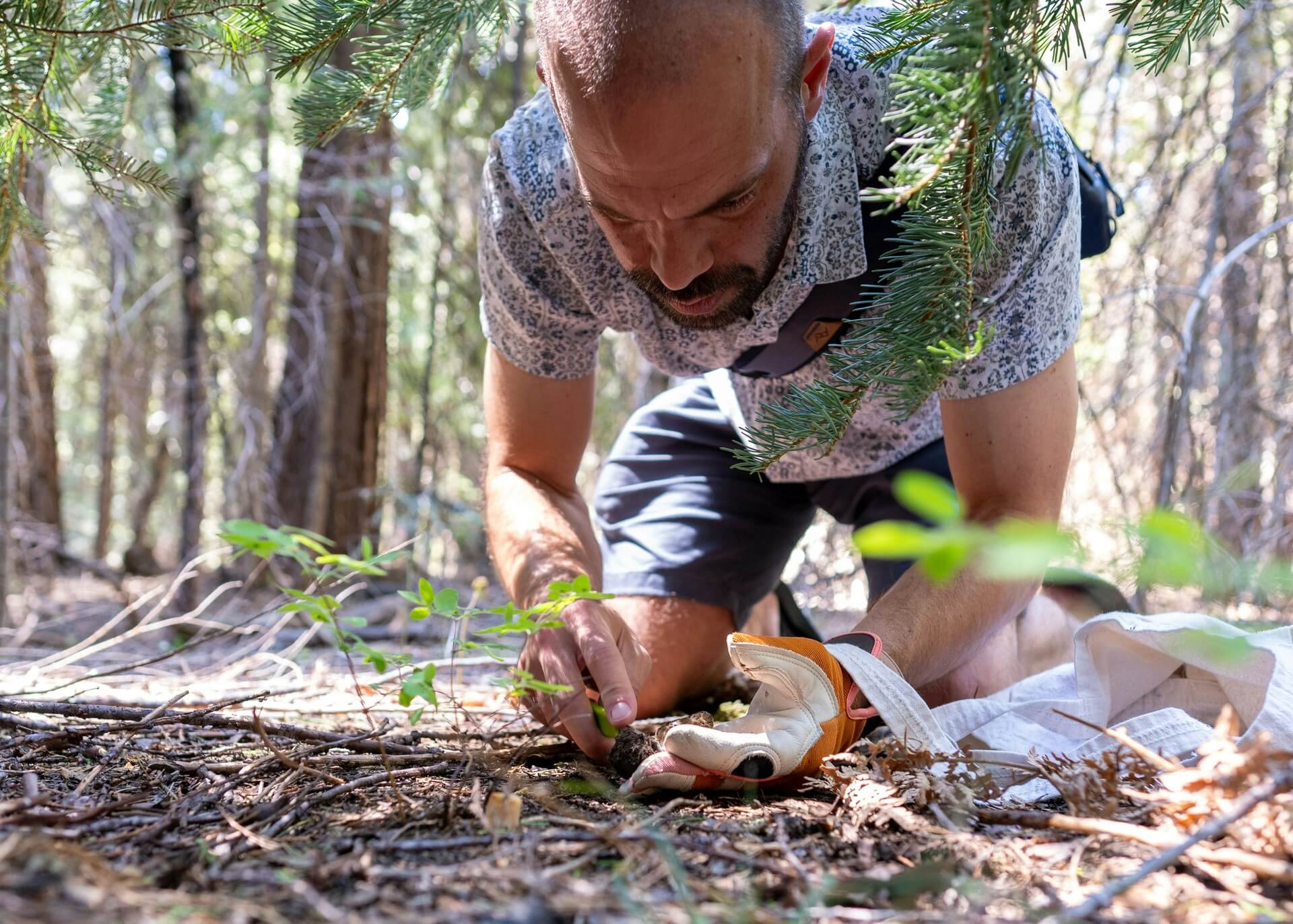
Foraging, also known as wildcrafting, involves harvesting edible plants, fungi, nuts, berries, and other wild food sources for human consumption. It has resurged among environmentally aware adults seeking sustainable, low‑impact food practices.
Foraging and Its Value
Wildcrafting or foraging applies to uncultivated flora and fungi in natural habitats. When done carefully and ethically, it supports biodiversity and even contributes to ecosystem health. Wild edibles often contain higher concentrations of vitamins and minerals than many commercially grown crops. Foragers say the pursuit fosters a deep sense of connection — physically and mentally — with nature.
Getting Started With Foraging
Beginning a foraging journey can feel both exciting and overwhelming. With so many plants, rules, and safety tips to consider, starting small and growing your knowledge season by season is helpful. The key is to stay curious, move at your own pace, and prioritize safety and sustainability. Here are some simple steps to help you get started with confidence.
Learn Local Rules and Restrictions
First, verify legality before harvesting. Some public lands limit or prohibit foraging — protected species or plants requiring whole‑plant removal may be off limits. Contact local land authorities or the state Department of Natural Resources for up‑to‑date guidance.
Begin Close to Home
Urban and suburban areas often yield edible plants, especially weeds like dandelion, chickweed, and garlic mustard. Starting in one’s yard or neighborhood reduces complexity and increases familiarity.
Choose a Few Easy Identifiers
Select one or two species to focus on early. Dandelion, chickweed, wild asparagus, and purslane are excellent initial targets. Learn their life cycles, edible parts, and seasonal appearance.
Use Trusted Resources and Mentors
Reliable resources include field guides, university or state extension websites, and educational workshops. Some universities offer plant identification courses. Working with an experienced forager or taking a certified class boosts confidence and safety.
Seasonality and Sample Edibles
Wild edibles appear in cycles throughout the year. Knowing the seasonal timeline helps maximize success:
- Spring: Dandelion greens, wild asparagus, garlic mustard.
- Summer: Blackberries, raspberries, edible flowers.
- Fall: Hazelnuts, hickory nuts, mushrooms like morel and chanterelle — if confidently identifiable.
- Winter: Some nuts or resilient roots in milder climates.
Edible mushrooms are tempting but require extra caution. They fruit when conditions are warm and moist, and mistaking them can lead to severe illness. Beginners should forage mushrooms only with expert guidance.
Picking and Tools
Lightweight supplies help keep harvesting accessible:
- A cotton or mesh satchel for plants and fungi so spores and seeds can disperse.
- A small folding knife or multipurpose Swiss Army knife for cutting.
- Closed‑toe shoes for protection.
- A field notebook to record locations, dates, and plant observations.
Safety and Identification Essentials
Always identify plants with 100% confidence before consuming. Mistakes happen through carelessness, often when someone eats a plant without fully verifying its identity. Use multiple reputable guides or resources to cross‑reference look‑alikes.
Harvest only non‑protected species and use sustainable practices — gather small amounts, leave seeds or roots behind, and avoid rare wild plants. Avoid foraging near roads, industrial zones, or treated areas where soil or vegetation may be contaminated.
Wear long sleeves and gloves to avoid contact with stinging or phototoxic plants such as giant hogweed. Test new foods by tasting a tiny portion first to rule out allergic responses.
Sustainability and Ethics
Ethical foraging calls for a broader awareness:
- Harvest only what you need to allow regeneration.
- Avoid digging up whole plants unless permissible — replant seeds or seedlings when possible.
- Stay grounded in local ecosystems and respect traditional knowledge, including Indigenous stewardship, when on ancestral lands.
Incorporating Finds Into Daily Life
Wild edibles can be used in simple, familiar ways. Lamb’s quarters make an easy substitute for spinach, while chickweed, purslane, and wild garlic can be tossed into salads, soups, or stir-fries. Berries like mulberries and serviceberries work well in muffins or jams, and dandelion flowers can be fried or infused into syrup. You don’t need elaborate recipes — just start by swapping in wild ingredients where you’d typically use store-bought ones.
Preserving your finds extends their use beyond the season. Dry herbs like mint or nettle for tea, pickle wild greens and fiddleheads, or freeze berries for later baking. Wild roots, such as burdock or dandelion, can be roasted and stored for months. With a few basic techniques, foraged food becomes a steady, seasonal part of your kitchen.
Foraging also helps reduce dependence on commercial food systems, especially during economic stress or environmental disruption. It supports a more self-sufficient lifestyle by encouraging seasonal eating, reducing packaging waste, and reinforcing food resilience from the ground up.
Mindset and Community
While many begin foraging with goals related to sustainability, health, or food security, the practice often evolves into something more meaningful. Over time, foragers tend to develop a heightened sensitivity to place — learning not just what plants grow nearby, but when they appear, how they change with the seasons, and how ecosystems respond to human presence.
This ongoing relationship fosters mindfulness and gratitude. Gathering food becomes a deliberate act, one that requires patience, observation, and reciprocity. Crouching by a stream to pick watercress or walking a forest path in search of wild berries invites calm and curiosity. For many, it’s a form of active meditation.
Community plays a vital role in this process. Local foraging groups, seed swaps, nature walks, and even social media forums offer rich opportunities to connect with others interested in wild food. These networks help new foragers build confidence, troubleshoot identification challenges, and stay informed about regional species and sustainable harvest practices.
Participating in these circles often leads to deeper learning — about the land’s history, native species, and cultural relationships with food. Some communities also collaborate with environmental organizations or Indigenous groups to protect foraging habitats and preserve traditional knowledge. In this way, foraging becomes a personal habit and a communal and ecological act, rooted in care, respect, and lifelong learning.
Foraging as Practice and Philosophy
Foraging integrates ecological awareness, food knowledge, and mindful living into a single practice. For individuals seeking connection to natural systems and policy-informed sustainability, foraging offers both practical and philosophical rewards. It reduces food footprints, nurtures biodiversity, and grounds daily choices in place-based ethics.
Starting close to home, with trusted resources, sustainable habits, and a few well‑known plants, beginners can grow confidence and curiosity over time. In this way, foraging becomes more than gathering — it becomes an accessible way to live lightly and intentionally in the world.
Share on
Like what you read? Join other Environment.co readers!
Get the latest updates on our planet by subscribing to the Environment.co newsletter!
About the author

Grace Waters
Always inspired by the natural world around her, Grace grew up exploring tide pools and hiking mountain trails, developing a deep appreciation for biodiversity and conservation. Now, Grace works as the Senior Editor of Environment.co where she covers topics related to emerging clean technologies, zero-waste initiatives, and the intersection of environmental policy and everyday living.