We are reader-supported. When you buy through links on our site, we may earn affiliate commission.
Heirloom vegetables can be a rewarding choice for gardeners working with limited space. They offer varieties with distinctive flavors, colors, shapes and growing histories. While a small garden may limit the number of plants, thoughtful selection and efficient use of space can still make room for a diverse harvest. Understanding what makes heirloom vegetables different is a useful first step before deciding what to grow.
Heirloom vegetables are open-pollinated varieties that have been preserved through generations of seed saving. Open-pollination allows plants to produce seeds that generally retain the characteristics of the parent plant, making it possible to save seed and grow the same variety again. Many heirlooms have remained in cultivation because families and communities continued to grow and preserve them.
The term “heirloom” does not have a single universal age requirement. Some definitions consider varieties cultivated for 75 to 100 years to be heirlooms, while others use a specific historical date as the cutoff. A variety’s age can help establish its heirloom status, but no single time frame applies to every definition.
For example, some heirloom varieties have histories stretching back well over a century. Golden Bantam corn first appeared in 1902, while Brandywine tomatoes trace their origins to Chester County, Pennsylvania, in 1885. In Europe, growers have grown ‘Paris White Cos’ lettuce since 1835.
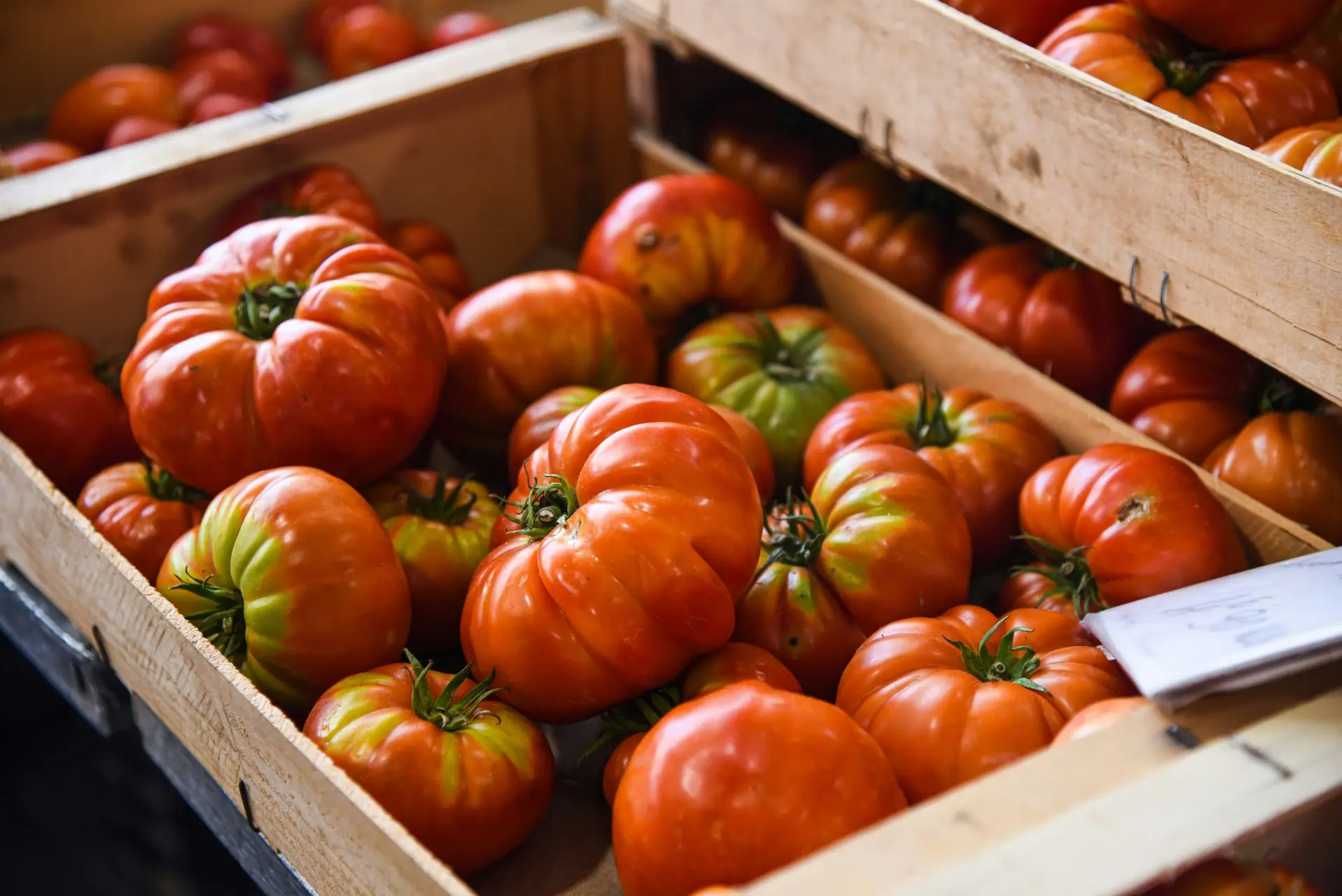
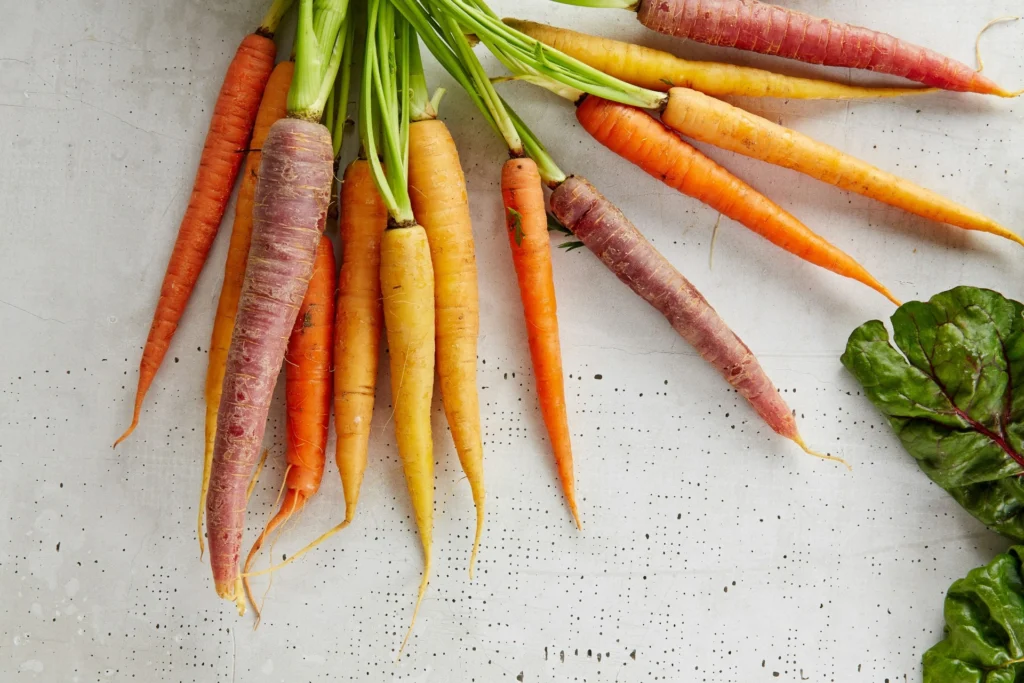
Heirloom vegetables come in a wide range of colors, shapes and growing characteristics. White Wonder cucumber produces ivory-white fruit, while Yellow Finns potatoes have yellow skin and flesh. Brandywine tomatoes produce pinkish-red fruit with potato-like leaves.
These distinctive characteristics contribute to the appeal of heirloom vegetables. Still, the term does not mean that a variety is automatically organic or easier to grow.
Limited growing space makes a plant’s mature size and growth habit important considerations when selecting heirloom varieties. The available room above and below ground can determine which vegetables fit comfortably into a container, raised bed or garden plot.
Compact, dwarf and bush varieties are practical choices for smaller growing areas. Productive plants can also help gardeners make better use of each available container, raised bed or patch of soil. Before buying seeds, check the expected mature size and growth habit so a vigorous plant does not quickly overwhelm the space.
It can also help to choose a mix of vegetables with different growing patterns. A compact plant can occupy one section of a garden while another suitable variety grows upward with support. This approach allows gardeners to introduce several heirloom varieties without treating every plant as though it requires the same amount of ground space.
The wide range of available heirlooms means growers can select varieties based on more than just their historical appeal. Some may be particularly interesting for their unusual appearance. Others may offer a different shape, color or growing habit from the vegetables already in the garden.
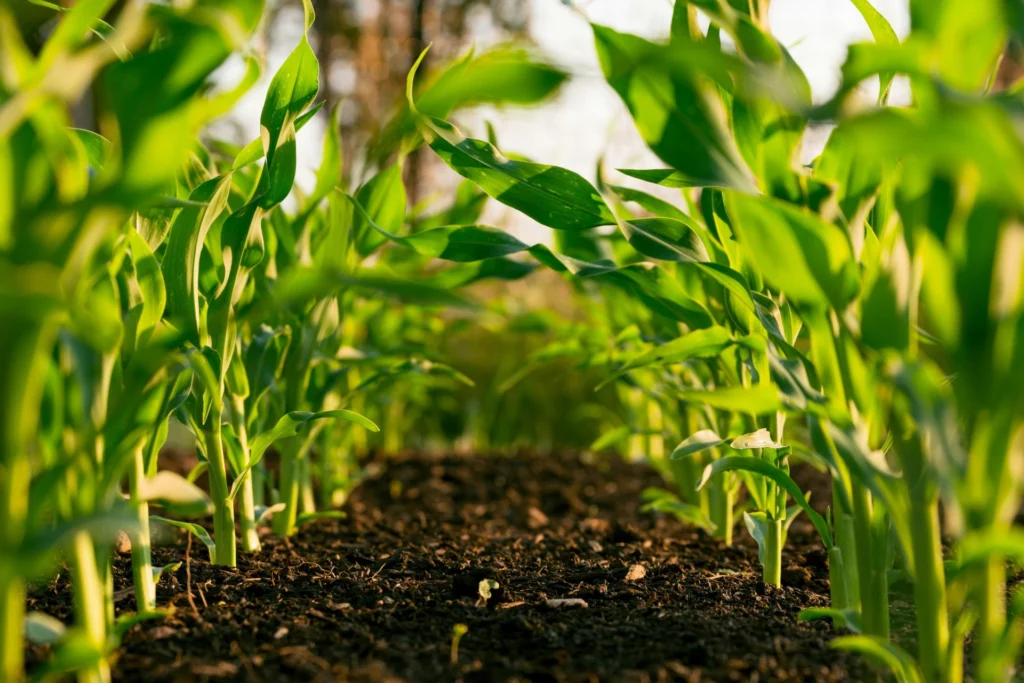
Containers and raised beds can divide a compact growing area into manageable sections. Trellises and other supports can also direct suitable plants upward. Succession planting also keeps space in use as one crop reaches the end of its growing period.
Plant spacing remains important in a small garden. Crowded plants can compete for the space available to their roots and foliage, so the mature size of each variety should inform the layout.
Growers should prepare garden beds by removing weeds, leftover plant materials and other garden debris. Covering the area with cardboard can also help eliminate unwanted grass and weeds before planting.
Each heirloom variety has its own growing requirements, but adequate sunlight, well-draining soil and consistent moisture support healthy plant growth. Nutrient-rich soil can also support plants throughout the growing season.
Plant structure matters in a small garden as well. Taller or spreading varieties may benefit from staking, trellising or appropriate pruning to keep their growth contained within the available area.
Regular checks for pests and diseases are vital for identifying problems before they affect more of the garden. Cross-pollination also deserves attention when different varieties of the same crop grow nearby. Separating those varieties by at least 10 feet can reduce the likelihood of cross-pollination.
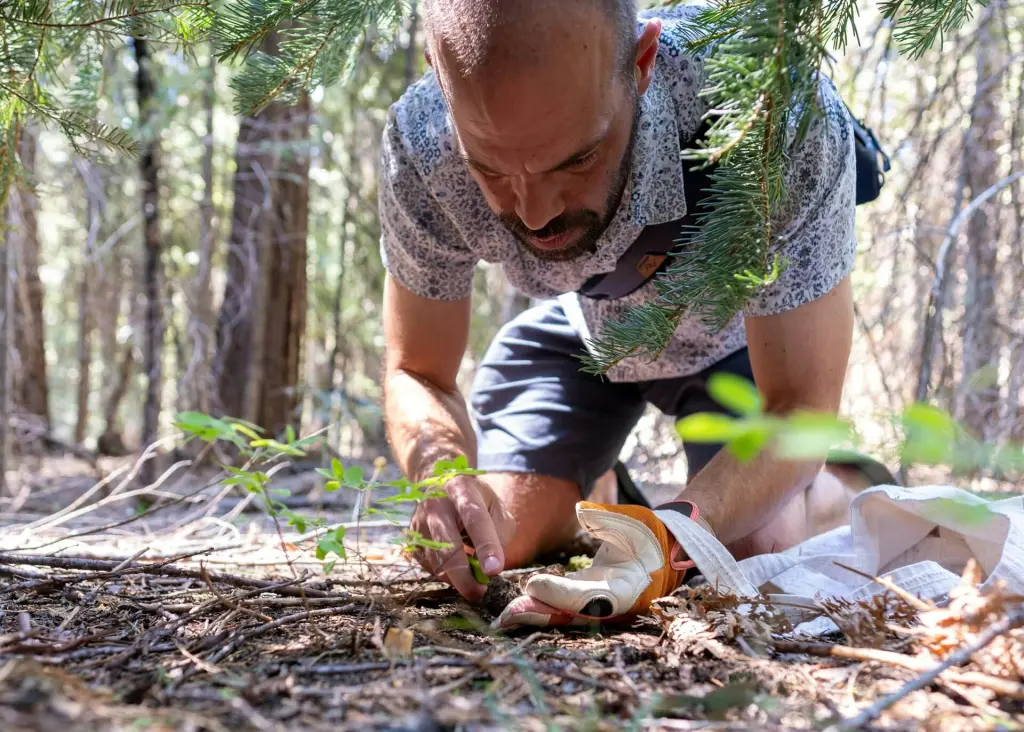
Seed saving provides another way to continue growing an heirloom variety from one season to the next. Collected seed generally has a 65%–80% germination rate, and about three-quarters of those seedlings produce satisfactory plants.
Finding the right heirloom seeds can be challenging, particularly when a specific variety has a limited history of commercial availability. Seed packets may also provide different levels of information about the variety, making it important to understand its expected growing period and characteristics.
Heirloom varieties can also behave differently from one another, and a variety that performs well in one garden may not produce the same results in another. Weather, soil conditions and the length of the growing season can all affect how a crop develops.
A small garden can still accommodate a diverse selection of heirloom vegetables when variety selection, spacing and plant care align with the available space. Understanding each variety’s history and growing characteristics can help narrow the choices, while compact varieties and efficient growing methods can make better use of limited areas. With thoughtful planning, even a modest growing space can support heirloom vegetables with distinctive characteristics and long histories.