12 Surprising Facts About Koalas That Will Shock You
We are reader-supported. When you buy through links on our site, we may earn affiliate commission.
Koalas — those seemingly serene, tree‑dwelling icons of Australia — are much more than just cute faces. Behind their gentle gaze lies a story of extreme specialization, ecological vulnerability, and an urgent conservation crisis. From bizarre diet quirks to shocking threats that imperil their survival, here are 12 surprising facts that deepen our understanding of this celebrated marsupial and the challenges it faces today.
- Koalas Are Not Bears — They’re Unique Marsupials
Although often called “koala bears,” koalas aren’t bears at all. They are marsupials — mammals that carry and nurse their young in a pouch — and the only living members of the family Phascolarctidae. Their evolutionary lineage is distinct from that of bears, and their closest living relatives are wombats.
- Their Diet Is So Specific That It’s Dangerous
Koalas feed almost exclusively on eucalyptus leaves — a diet that would be lethal to most other animals. These leaves are fibrous, low in nutrients, and contain toxic compounds similar to cyanide. To cope, koalas have developed a specialized digestive system with an extended caecum that breaks down these toxins.
This highly specialized diet gives them no room for flexibility. They tend to prefer only about 20 out of the approximately 700 different eucalyptus species — a vulnerability when habitat changes reduce the availability of these trees.
- They Sleep Up to 20 Hours a Day — But Not Because They’re Lazy
Koalas are often stereotyped as lazy, but the reality is quite the opposite. Their nutrient‑poor diet requires a lot of energy to digest, leaving little for activity. To conserve energy, they spend about 18-22 hours a day resting or sleeping in the trees.
- Koalas Can Drink Water — That Myth Is Outdated
Long-held wisdom claimed koalas rarely, if ever, drank water, relying instead on moisture from leaves. But recent research confirms that they will drink water, especially during drought and intense heat, and can suffer from dehydration if water sources are scarce.
Interestingly, their common name, “koala,” comes from an Indigenous Australian word meaning “no water.” This reflects the traditional understanding of the species as able to survive with minimal direct water intake, even though modern studies show that access to water is sometimes essential for their survival.
- Their Reproductive Cycle Is Complex and Unique
Koala reproduction is a blend of speed and dependency. After a short gestation period of 34-36 days, a tiny newborn — about the size of a jellybean — crawls into its mother’s pouch. Around five months later, the joey emerges and continues development on its mother’s back, clinging there for up to another six months before independence.
This long period of maternal care reflects not just their marsupial nature but also their vulnerability to environmental stressors that can disrupt reproductive success.
- Koalas Are Now Endangered in Parts of Australia
In response to dramatic population declines linked to bushfires, habitat loss, and disease, Australia officially listed koalas as endangered in Queensland, New South Wales, and the Australian Capital Territory in 2022.
This designation marks a significant shift from their previous “vulnerable” status and reflects growing scientific concern over their long‑term survival prospects.
- Habitat Loss Has Been Catastrophic
The most pressing threat to koalas is habitat destruction. Urban expansion, agriculture, roads, and logging have dramatically reduced eucalyptus forests that once stretched widely across eastern Australia. Since European colonization, around 80% of their original habitat has been cleared, leaving koalas confined to fragmented forest patches that struggle to support healthy populations.
Fragmented habitats force koalas to cross roads, navigate powerlines, and enter areas dominated by humans, exposing them to vehicle collisions, dog attacks, and other hazards. Beyond the immediate dangers, habitat loss also reduces the availability of the specific eucalyptus species on which koalas rely, undermining their nutrition and overall health.
Even seemingly protected forests may not provide enough continuous resources to sustain these iconic tree-hanging marsupials, which rely on eucalyptus trees not only for food but also for shelter, safety from predators, and pathways through their canopy-bound world.
- Climate Change Is Making Their Diet Less Nutritious
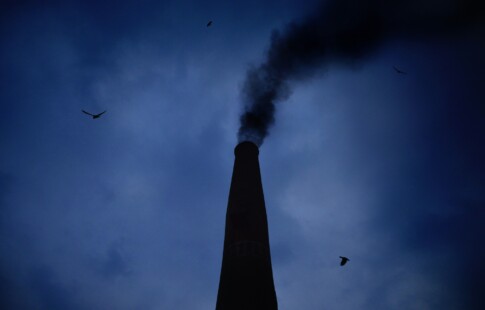
Climate change compounds koalas’ troubles. Rising atmospheric carbon dioxide has been shown to reduce the nutritional quality and water content of eucalyptus leaves, forcing koalas to expend even more energy just to survive, and sometimes compelling them to leave the safety of the trees to find water.
Additionally, hotter, drier conditions increase the frequency and severity of bushfires, which can instantly destroy habitat and claim thousands of lives.
- Chlamydia Is a Major Killer — But There’s Hope
A startling proportion of koalas suffer from chlamydia, a sexually transmitted bacterial disease that can cause blindness, infertility, and sometimes death. In some populations, infection rates reach as high as 70%, making it one of the leading causes of mortality.
In 2025, Australian regulators approved a world‑first single‑dose vaccine to protect koalas from chlamydia, reducing symptoms and mortality by an estimated 65%. This breakthrough offers real conservation potential when combined with habitat protection.
- Koalas Shape Their Ecosystem
Far from being passive forest dwellers, koalas have an important ecological role. Their selective feeding helps shape the species composition of eucalyptus forests, influencing plant growth patterns and even soil nutrient cycles. These interactions ripple through the broader ecosystem of native flora and fauna.
Their presence and absence can serve as indicators of forest health, making them keystone species in conservation biology.
- Human Activities Account for Many Hospital Admissions
Analysis of rescued koalas shows that nearly half of admissions to the Port Macquarie Koala Hospital were linked to human activity. This includes being found near roads and power lines, being involved in vehicle collisions, and being attacked by pet and feral dogs.
These statistics highlight the strong connection between land-use change and koala mortality — a link that underscores how broader planning decisions affect wildlife.
- Without Action, Extinction Is a Real Risk
Scientists and conservationists warn that without a significant, coordinated effort — particularly to protect habitat and reform land‑use laws — koalas could disappear from areas where they once were widespread. Some models project local extinctions by 2050 unless trends are reversed.
This looming possibility has galvanized opinions around environmental policy and sustainable land management in Australia, prompting debates about how best to balance development and biodiversity protection.
Understanding Koalas’ Struggles and Securing Their Future
The humble koala is far more than an Australian symbol of quiet charm. Its life reflects a delicate balance of evolution, ecology, and environmental pressures that are now tipping toward crisis. From uniquely inefficient diets and surprising reproductive tactics to acute sensitivity to habitat loss and disease, the koala’s story is both fascinating and cautionary.
Understanding these surprising facts reveals not just the vulnerability of Phascolarctos cinereus but also the broader environmental challenges facing wildlife in the Anthropocene. Conservation efforts — from vaccines to habitat protection — may yet save this iconic species, but only if science and policy act in tandem.
Share on
Like what you read? Join other Environment.co readers!
Get the latest updates on our planet by subscribing to the Environment.co newsletter!
About the author

Jane Marsh
Starting from an early age, Jane Marsh loved all animals and became a budding environmentalist. Now, Jane works as the Editor-in-Chief of Environment.co where she covers topics related to climate policy, renewable energy, the food industry, and more.