Dangerous Fungi: Tips for Staying Safe While Foraging
We are reader-supported. When you buy through links on our site, we may earn affiliate commission.
Foraging is an adventurous way of finding your food. One of the most thrilling ingredients you can come across is mushrooms because they require specific conditions to flourish. However, before you grab that toadstool you just spotted, you need to know if it’s a delicious find or a deadly one. There are some dangerous fungi out there, and they often resemble their non-toxic counterparts. You must learn more about the varieties that grow around you and what to look out for.
1. Never Eat What You’re Not 100% Positive On
The first — and perhaps most important — rule of foraging is never to eat something you can’t identify with 100% certainty. Many perfectly safe mushrooms have lookalikes with effects that range from uncomfortable to fatal. For example:
- King bolete, porcini or penny bun: Stomach-turning varieties may turn black or blue when you damage them or taste bitter.
- Puffball: Ones with gills or any colors inside are toxic, while the warted version is only safe when young.
- Oyster: The ghost fungus will glow in the dark to warn you of its inedibility, while funnel mushrooms differ in that their gills stop at the top of the stem.
- Chicken of the woods: While the jack-o’-lantern mushroom looks pretty similar, the undersides of its caps will have gills rather than pores and glow in the dark.
What if you come across a funnel mushroom where the gills reach beyond the stem or misjudge the color a porcini leaves behind? Even if the effects are just nausea, they’ll likely do more harm than good if you make the wrong call. Keep yourself and anyone you’ll feed safe by not cooking what you’re not extremely sure of.
2. Learn How to Spore Print
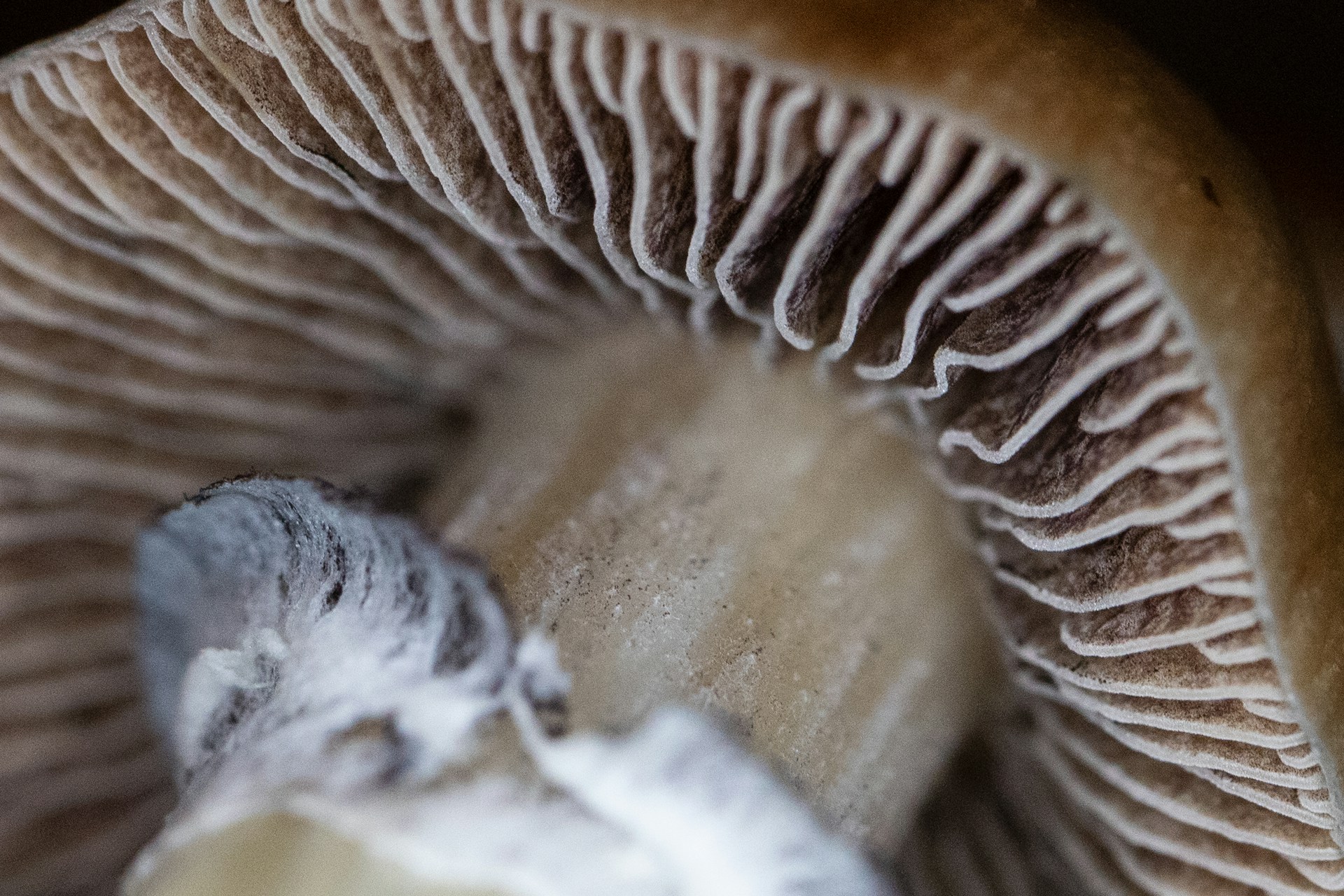
It takes a little extra time, but spore printing is one of the most reliable methods for identifying one mushroom from another. As one forager discusses, the brick cap fungus — also known as kuritake and chestnut mushrooms — has a purple-brown spore print and is edible, while the similar-looking Autumn Skullcap has a rusty brown print and can cause a host of issues. Thus, it’s vital to check the spores to see which species it is.
To do so, start by gathering a bit of the fungus in question, leaving enough behind for the environment and so the colony can reproduce. Cut the stems from the caps so the gills or pores are exposed. Then, put the caps face down in a clear container and sprinkle or spray enough water to make them damp. You’ll then cover and leave them alone for a couple of hours to a day, depending on how long it takes for the caps to drop their spores.
If the toadstool is a bit firmer, you can rehydrate it a bit by wrapping it in a paper towel overnight before putting it in a glass or clear plastic Tupperware. After the time has passed, place the container over something white — like a paper towel or piece of paper — and lift the caps to see the colors and style of print the spores leave. You can then compare your results with known samples so you know you’re avoiding any dangerous fungi.
3. Know a Few Safe Fungi
Luckily, there are a few toadstool varieties that don’t have deadly twins. For instance, the lion’s mane mushroom is always safe. You should see it on oak, maple, and beech trees — just be sure there isn’t any pollution or waste they could be consuming to avoid ingesting them yourself.

Additionally, hen of the woods — which grows in large, brownish gray clusters near the bases of trees — only has non-dangerous lookalikes. If anything, you might mistake it for a velvet-top fungus, but these are simply too tough to eat. You could use it as a dye, though.
You could also keep an eye out for puffball mushrooms. These are fairly easy to identify from their large white shapes, but remember to leave behind any varieties with gills or interior colors. As you keep polishing your identification skills, you can venture into species like chicken of the woods and oyster mushrooms that take a more cautious eye.
4. Prep for Success
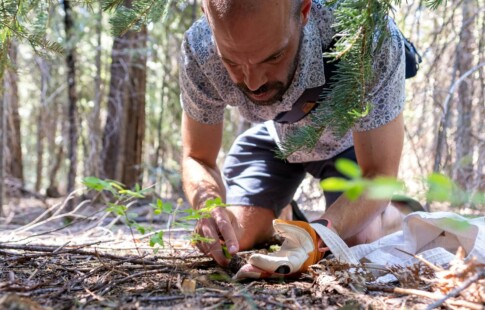
To keep yourself safe, there are a few precautions you can take before you come into contact with potentially dangerous fungi. Gloves and long sleeves and pants keep your skin away from any plants and mushrooms that could cause damage, as well as insects like ticks and mosquitoes. You’ll likely be going in some damp areas, too, so thick socks and weatherproof shoes will make your trek more comfortable.
You should also take along a few mushroom-gathering tools. There are guides to the toadstools that typically grow in your area, helping you identify what you come across faster. A knife and a bag are also useful for collecting and transporting your fungal finds. Lastly, for safety, ensure your phone is charged so you can contact someone in case you get hurt, and always tell at least one person where you’re going.

5. Refer to an Expert
One of the best sources of information on mushrooms is a mycologist. There may be a mycology group led by some of these scientists near you, or someone at a local school may be an expert. See if they offer any community walks or classes where you could learn more about the fungi near you, or if they take questions. When you’re just starting out, learning from a leader in the field can help you avoid some dangerous fungi blunders.
Even when you’re not a beginner, there’s always value in a second set of knowledgeable eyes. Toadstool identification relies heavily on sight, so having someone double-check your findings is a valuable tool. Apps like iNaturalist are handy starting points for narrowing down species, but because they’re community-run, it’s best to check in with an expert for confirmation.
Avoiding the Dangerous Fungi
Foraging has become much more popular in recent years, but that doesn’t mean it’s safe. It’s a lot easier to find dangerous fungi like the jack-o’-lantern and ghost mushrooms. Luckily, there are multiple ways you can spot these toadstools and prepare for gathering them. Just remember not to take any toadstools you can’t distinguish and that knowledgeable minds are out there to assist.
Share on
Like what you read? Join other Environment.co readers!
Get the latest updates on our planet by subscribing to the Environment.co newsletter!
About the author

Jane Marsh
Starting from an early age, Jane Marsh loved all animals and became a budding environmentalist. Now, Jane works as the Editor-in-Chief of Environment.co where she covers topics related to climate policy, renewable energy, the food industry, and more.