We are reader-supported. When you buy through links on our site, we may earn affiliate commission.
If you want to create the cozy vibes a fireplace promises, you’ll need to clean it. Chimney cleaning is a critical responsibility if you plan to use it for fires. It is important for safety and for environmental protection to maintain it well. Is this a project you can DIY, or should you reach out to a professional? If you can help the cause, what chimney cleaning equipment do you need to get started?
You can clean your chimney DIY-style. However, it requires preparation, the right tools, and some education before you dive in. If you have any reservations, you can always reach out to local certified professionals, who may be willing to teach you a thing or two about maintenance and chimney cleaning frequency.
These are the most important things to know before cleaning your own chimney:
If you feel confident in doing this yourself, what should you equip yourself with?
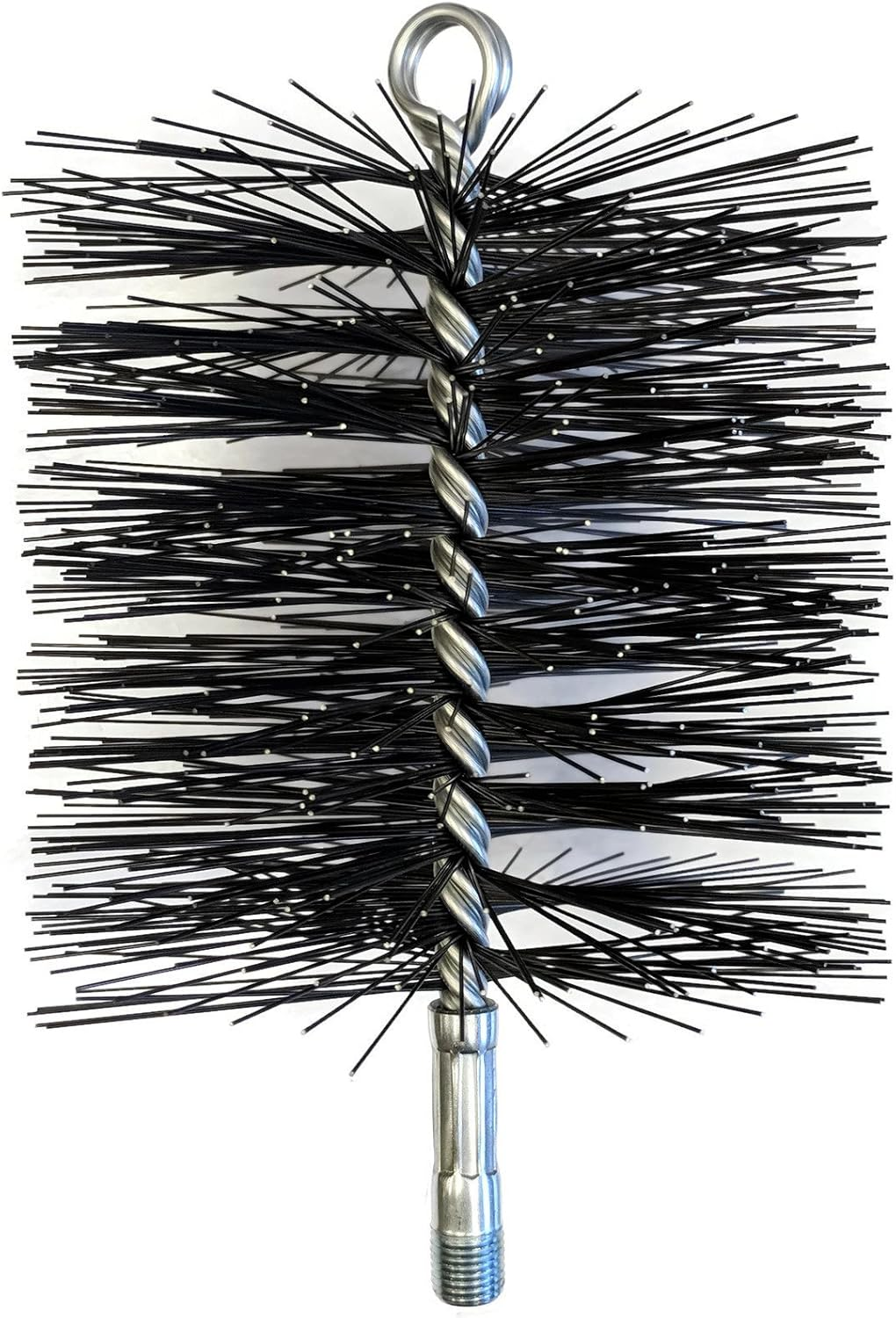
This is not a regular brush. These are specially designed to fit in a chimney flue with no resistance. The bristles are also extremely durable and sturdy, so they shouldn’t break off even if there is soot caked throughout the chimney.
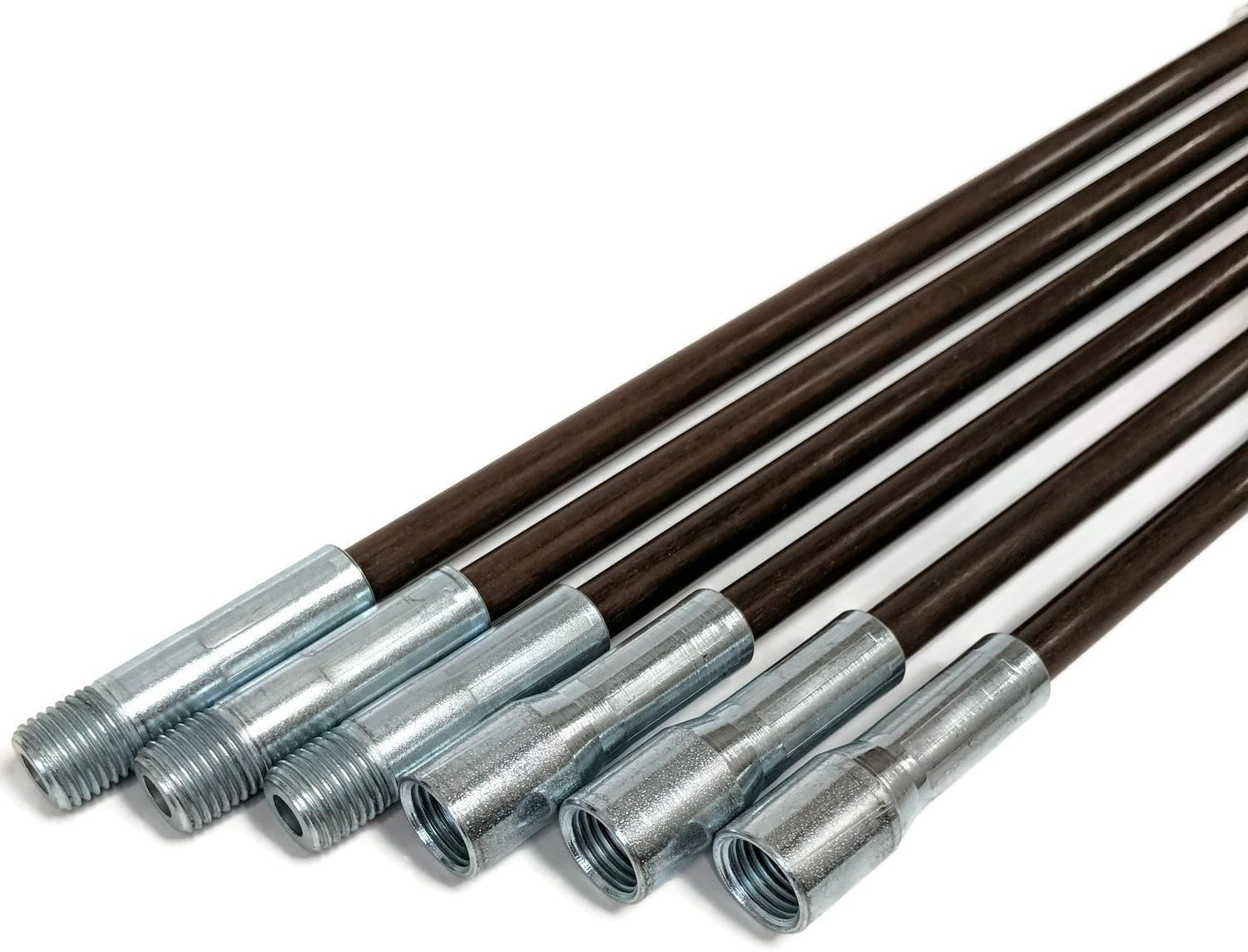
Use extension rods to lengthen your chimney brush. You might be able to reach the top and bottom of your chimney from one spot if the poles are long enough.
You don’t need a special tarp or drop cloth for chimneys — any will do. This should protect your floor from debris. Plus, you can repurpose them later if you have an art project or home renovation to do.

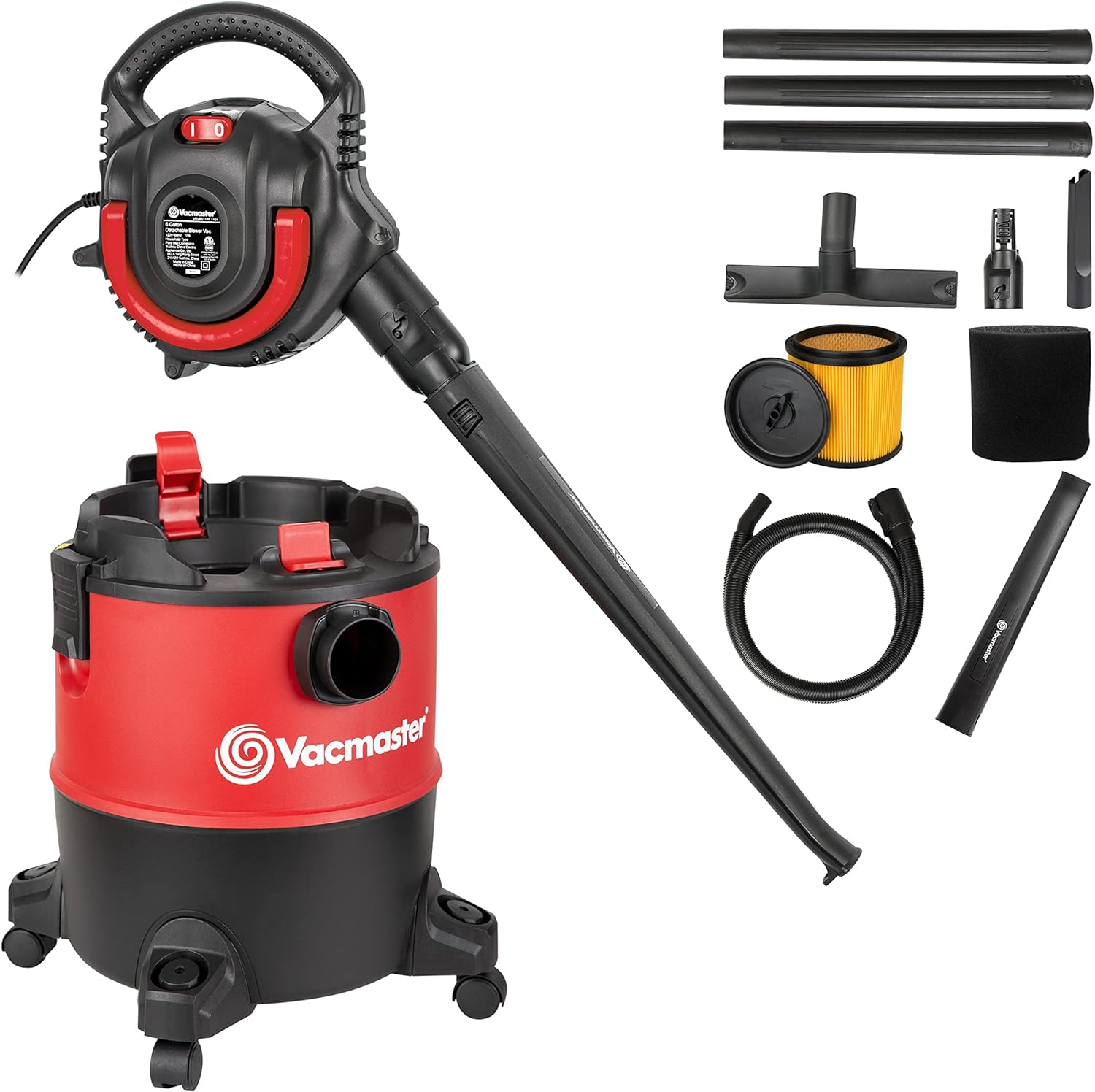
Whether you’re an amateur or professional, there is going to be some degree of mess. A powerful vacuum cleaner with a HEPA filter will make any cleaning zone look brand new again. You may also want to pair this with some air purifiers and other ventilation to make sure particles don’t fly all over the place. Dust and soot reduction is critical for a comfortable cleaning experience.
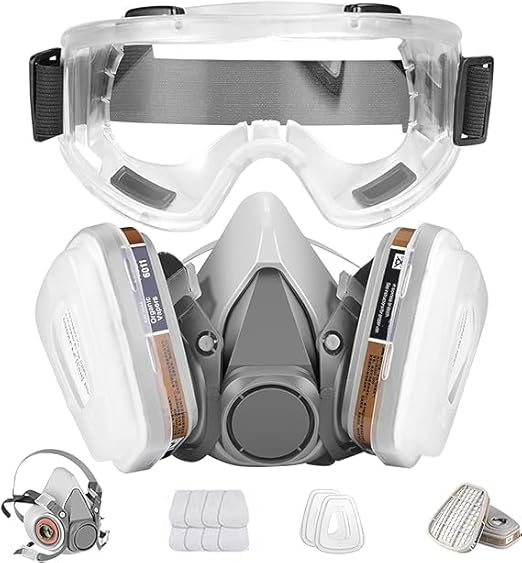
Safety gear is included but not limited to:
For example, a respirator can make sure you don’t inhale toxic particles during the clean. Make sure you get one with clear credentials so you can trust it to keep you safe.
Now that you have all the gear, how often do you have to use it? The National Fire Protection Association recommends a chimney cleaning frequency of once or twice per year — more frequently if you have a wood- or oil-burning setup.
If you collected everything from the list above, then you are already off to a great start.
Lay down your tarps, don your safety gear, and ready your brushes. Make sure you have adequate airflow that prevents dust collection but doesn’t encourage soot to fly all over the house. Additionally, you’ll want to see if there are any blockages, buildup, and even bird nests in unexpected places before you start messing around in the chimney. All heating appliances should be inspected yearly for safety.
You can access the chimney using a top-down method from the roof or a bottom-up method from the fireplace entry. Creosote buildup is common, so make sure you apply healthy amounts of pressure to break it down.
You can’t clean the chimney without cleaning up after it. Clean the tarp and sweep up any debris. Check nearby surfaces, such as tables, shelves, and the mantle. You never know when stray soot could fly into unexpected places. It’s best to tackle it now before it finds its way throughout the house and into the air vents.
Put it in your calendar to clean the chimney yourself once a year or reach out to a local company. You don’t want to forget, because not only is it a safety and environmental hazard, it makes the process more complicated if there is more buildup and neglect.
You should prioritize cleaning your chimney if nothing else for the environment’s sake. Fireplaces are contentious already because of their impact on air pollution, but if you’re going to use one, these are the benefits cleaning will bring.
This is the most obvious win. A clean flue won’t produce or spread around as many particulates that could get into habitats or hurt biodiversity.
If you have a wood-burning fireplace, you will accumulate creosote buildup. Inefficient burning interacts with this to increase the amount of GHGs your fireplace usage creates.
You won’t have to use as many resources or burn fire as long if there is clear airflow. This saves energy and natural resources.
Unclean chimneys are more likely to start fires. In intense circumstances, severe damage can hurt nearby environments and wildlife. To prevent fires from spreading and causing lasting damage, keep your chimneys sparkling.
Fireplaces feel better when you know you’re not breathing in tons of air pollutants. This is what happens when you maintain chimney cleaning frequency. Even if you’re unsure of doing the dirty work yourself, there are small things you can do to help in between scheduled visits with a professional. If you’re gazing at your chimney and are afraid because it’s never been cleaned, you can start the process today.