We are reader-supported. When you buy through links on our site, we may earn affiliate commission.
Updated February 21, 2024
What are biofuels? They’re perhaps the oldest form of energy produced by human beings. Rubbing two sticks together to make a fire is but one example. However, the modern term often refers to using waste materials to create power. Decreasing landfill fodder while producing electricity and powering cars sounds good, but are there any drawbacks? Here are seven biofuels pros and cons you should know.
What if the trash currently polluting the planet could fuel it instead? It would ease the burden on landfill space — and the collective guilt everyone should feel when walking to the garbage bin instead of the sorting center.
Biofuel technology can even mitigate some of the impact of meat production on the environment. Currently, demands for beef, pork and chicken contribute to nearly 15% of global greenhouse emissions. However, the oils, fats and grease disposed of from food waste could translate into 1.7 billion gallons of biodiesel.
Oils and fats aren’t the only potential fuel sources or environmental problem-solving. Solid combustible waste, such as paper products that contain other materials like metal or plastic, can gum up recycling machines. Roughly 17% of all recycled materials are so contaminated. However, scientists are currently working on processes to convert this material to fuel, helping the planet — and sparing people untold headaches when they try to decide whether to recycle or toss an item.
Here’s the deal — unless humans can afford to wait a few billion years, once the current oil and gas supplies disappear, they’re gone for good. However, biofuels are infinitely renewable because they come from goods people use every day.
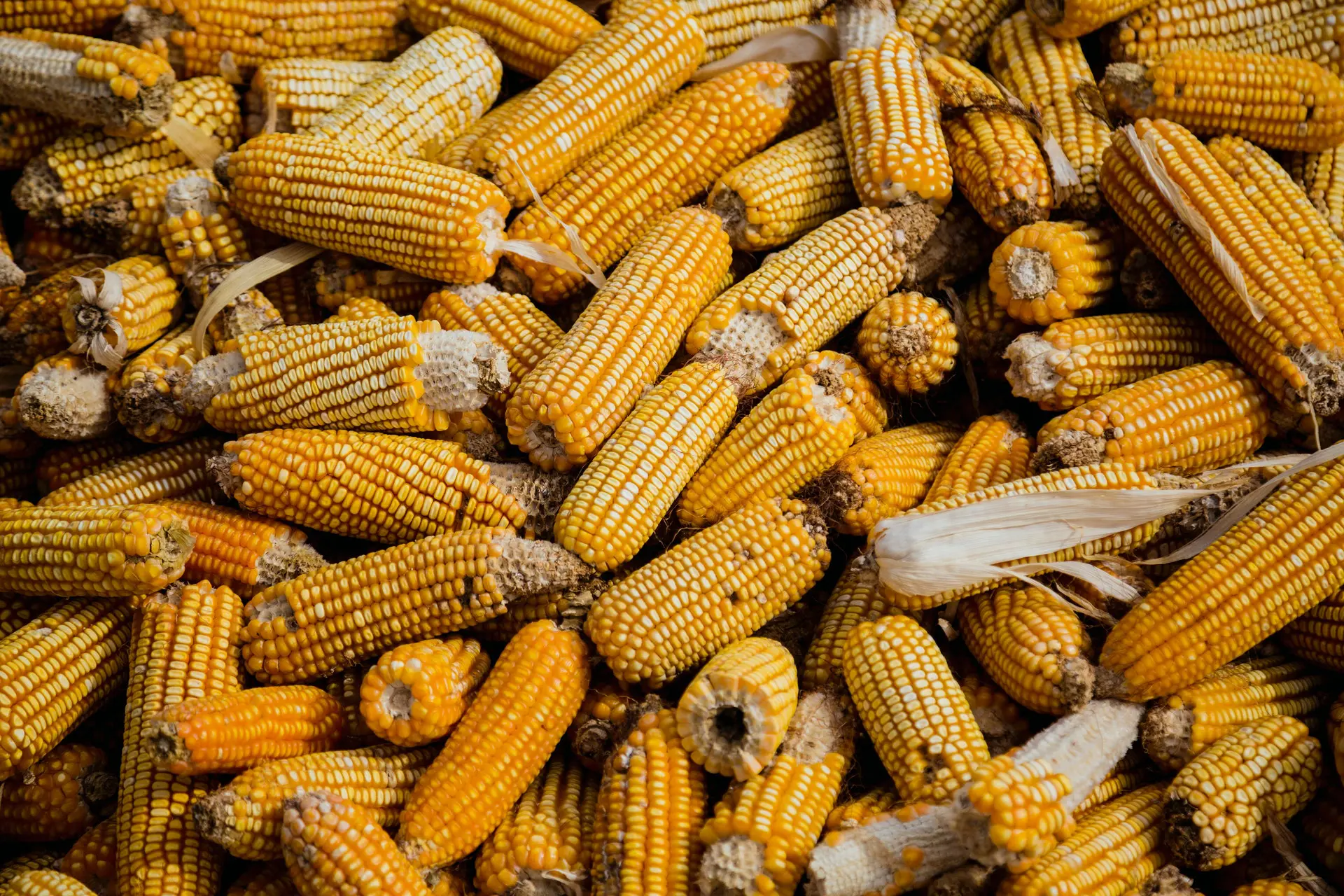
The earliest example of biofuel energy is fire, using renewable materials such as sticks and leaves. Ethanol, one of the earliest biofuels, comes from grain crops, making it infinitely renewable as long as the land yields a harvest each year. Most vehicles can use blends of up to 10% ethanol, while flexible-fuel cars utilize 85%. Many municipalities now utilize such vehicles for police and rescue operations to decrease emissions.
It goes without saying that a steady stream of municipal waste will always exist. Once humans figure out how to make the energy conversion cost-effective, they can look forward to an inexhaustible fuel supply.
Another perk of ethanol is that it ensures complete combustion, lowering carbon emissions while reducing reliance on fossil fuels. The EPA’s 2010 analysis projects that many types of biofuel could yield lower life-cycle greenhouse gas emissions than gasoline.
Biofuel technology could save lives. Currently, over 10 million people die each year from air pollution.
You don’t have to look any further than today’s headlines to see how biofuels could reduce energy reliance on foreign sources. War creates untold environmental devastation and fighting over limited resources only shortens the time humans have on this planet while making it more miserable all around.
Furthermore, the need for quality jobs also sparks headlines as many tasks once done by hand convert to automated processes. Those in the technology and energy sector tend to pay well with benefits sufficient for people to buy homes and start families.
It’s hard to believe, as their invention occurred only 150 or so years ago, but there are nearly as many cars in the world as people. Could you imagine if every single one needed an engine conversion to run on biofuels? The environmental cost of the upgrade would likely create bigger problems than it solved.
Fortunately, there’s no need for engine modifications. Biodiesel works as well as the regular stuff, as do biofuel replacements for gasoline.
In fact, biofuels may improve the performance of certain types of engines. A recent investigation into low-viscous biofuel for direct-injection diesel engines found higher brake thermal efficiency and improved engine behavior. Viscosity refers to a liquid’s thickness due to internal friction, and lower viscosity biofuels result in thinner lubrication and prevent churning losses, bettering engine performance.
As beneficial as biofuels may be, there are some downsides. Here are X possible cons of biofuels:
Biofuels offer hope in the battle against human-induced climate change. Once perfected, it promises to let people enjoy their current comforts without leading to environmental devastation.
However, even the best technology isn’t without its drawbacks. Knowing the pros and cons of biofuels can help you make educated decisions about what to advocate for in your community.