We are reader-supported. When you buy through links on our site, we may earn affiliate commission.
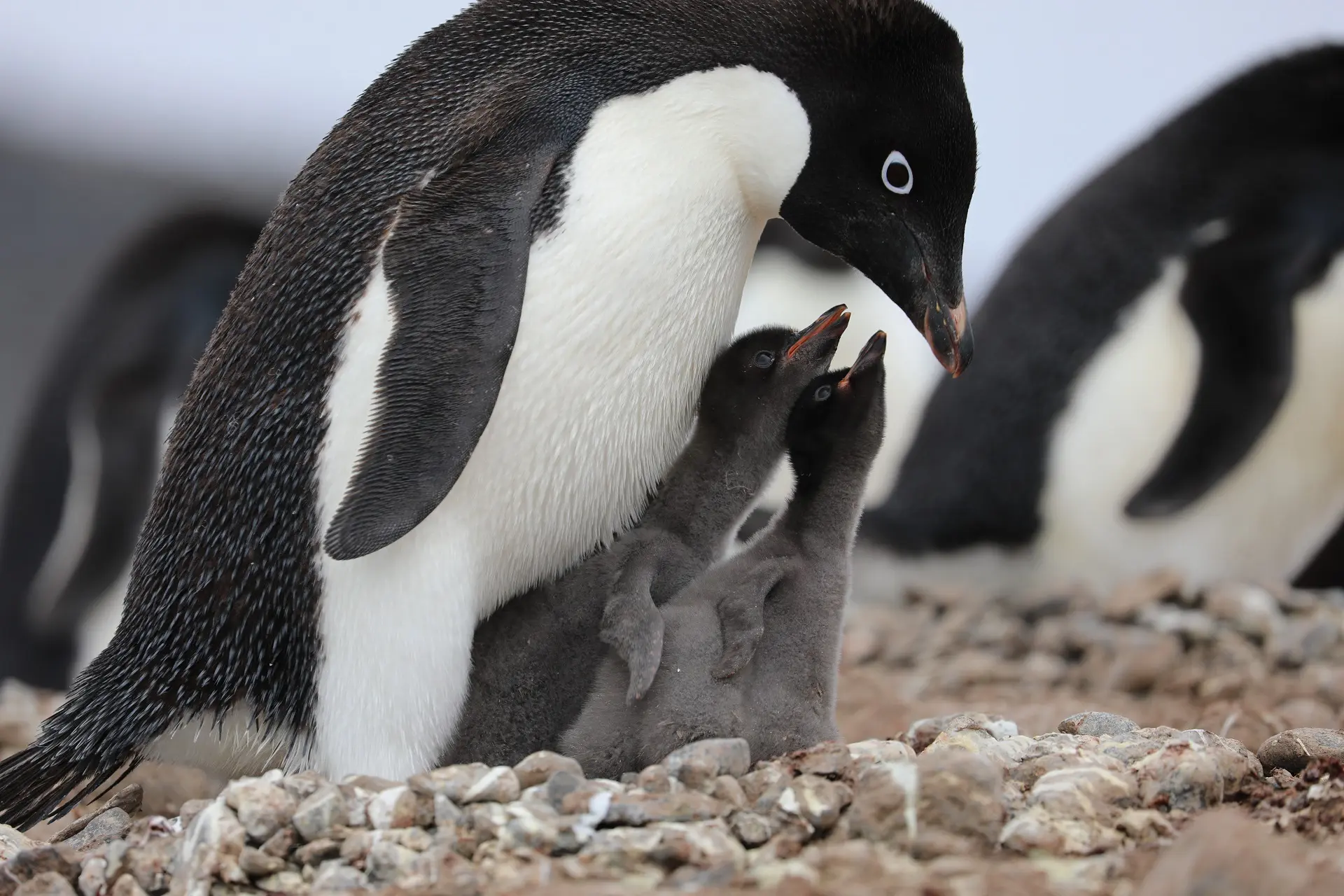
Penguins have taken the hearts of many humans. These birds that thrive in the most brutally cold conditions are some of the most protective of their kin, despite their flightless nature. They’re locked to the southern hemisphere in Antarctic conditions, making them invisible to most. However, this doesn’t mean they aren’t at risk of reduced numbers because of human influences like the climate crisis. Are penguins endangered like many of the world’s species, and how can humans curb this destruction?
There are several designations humans place on species to determine their status. The Endangered Species Act (ESA) in the US and the International Union for Conservation of Nature (IUCN) — among others — have similar or crossover classifications.
Most have heard of the endangered label, but more nuance is worth exploring to know penguins’ livelihoods more intimately. Species become endangered because of habitat destruction, disease, commercialization, and more. Here is a summary of some categories for a better understanding of the status of penguins:
Knowing these distinctions, are penguins endangered in any capacity among the various species?
According to the IUCN, in early 2023, there were five species of penguins listed as endangered, with other species ranging from least concern to vulnerable:
Conservationists closely monitor habitat preservation and population restoration as part of their endangered status.
It’s easy to see the range of numbers of what constitutes endangered because the influences vary depending on the geographic area and the biological features of each penguin. Effects include natural causes and human consequences, but it’s often a mixture, and how fast-acting and catastrophic those factors are.
Some species have a wider spread over multiple habitats with a firmer foundation, alongside long-living adults to carry on a sustainable legacy — others don’t have this luxury. A few species have extensive migratory patterns that put most of the population in severe danger yearly, while others stay in one place. Chilling climates could put newborns in danger and hunting patterns could frequently separate parents for long periods, decreasing familial resilience.
Other natural causes include predators’ reproductive rates outpacing penguins or a massive spread of illness. However, if not for human influence, these species could survive these factors more gracefully.
Humans cause penguins harm because of the extent of their contribution to the climate crisis. It’s an umbrella for countless branching side effects. For example, military pollution, oil spills, invasive species, and illegal egg poaching are all ways humans endangered penguins — each of these reasons intensifies because of climate change affecting temperatures, pollution distribution, and irregular animal movement.
Many penguin species, including the Galapagos and Yellow-eyed penguins, are victims of overfishing and unethical fishing practices. Fisheries unintentionally wrap them in nets, harming them in the process. They’re more susceptible to predators if released back into the waters because of their ailments. A course like this represents how one harmed penguin could affect the whole colony because they can’t bring back food.
Corporate, governmental, and individual efforts are all helpful in preserving endangered penguin populations. It’s not enough to rely on the processes humans have — humans must bolster these efforts to meet species’ needs. Let’s analyze how everyone can help penguins within their capabilities and resources, though there is plenty of crossovers.
Everyone can reduce their carbon footprint. These actions look different depending on individual or enterprise implementation, but the value is invaluable to saving penguins.
Most live in colder climates, threatened by a warming Earth. If everyone considers waste reduction, energy use, pollution contribution, and environmental commitment, these will improve penguin populations because cold regions won’t dissipate as quickly.
Education is another critical way to assist penguins. Providing information to the masses can manifest in multiple ways, depending on if you’re alone or leading a Fortune 500 company:
Governments and global organizations can instill standards and advocate for penguin protection. Some initiatives have been the reason penguins are still around, proving how necessary they are to their survival. The Antarctic Treaty and the Convention on International Trade in Endangered Species of Wild Fauna and Flora (CITES) are other examples outside ESA and IUCN integral to penguin safety.
The penguin family is not entirely safe, but they’re far from the most endangered on the planet. Other families of creatures are in more perilous positions, but that doesn’t mean efforts to protect penguin species should go overlooked. Conservation efforts have already salvaged many species, and it could prove valuable in saving the presently endangered penguins.