We are reader-supported. When you buy through links on our site, we may earn affiliate commission.
Food production is entering a new phase as cities expand and natural resources come under greater pressure. Vertical farming emerges as a promising solution, offering a way to grow crops in controlled spaces with greater efficiency.
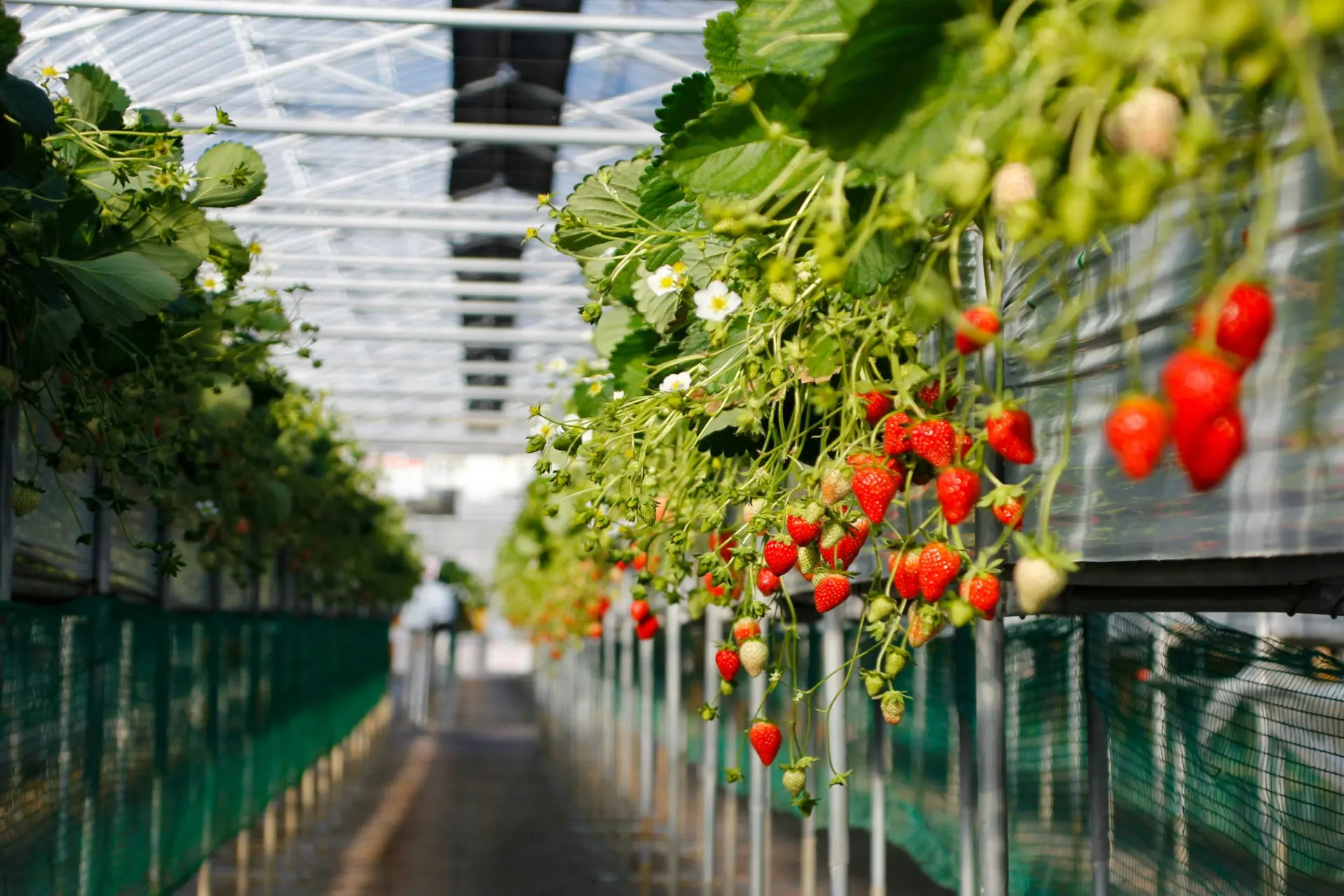
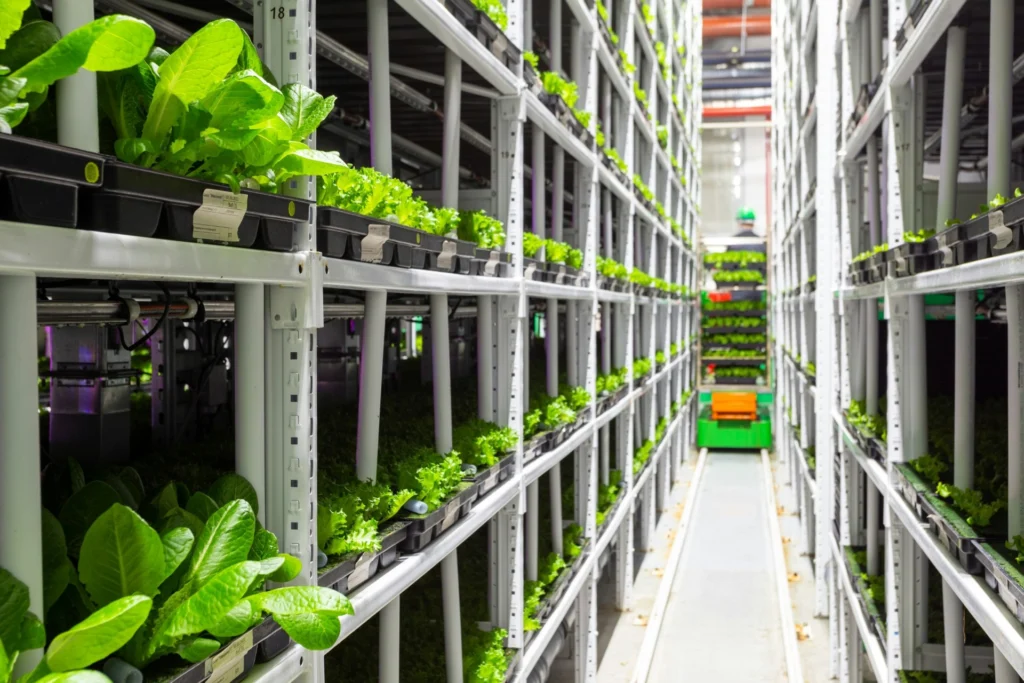
Vertical farming reimagines agriculture by growing crops in stacked layers within carefully controlled environments. To create ideal conditions year-round, these systems use technology to manage light, water, nutrients and temperature to ensure healthy crop yield.
As more countries seek sustainable food solutions, vertical farming continues to gain momentum. Market projections estimate growth from about $10.61 billion in 2026 to $70.89 billion by 2034, showing increasing confidence in its scalability and future role in food production.
There are several types of vertical farming, each based on the way plants receive nutrients and how growers manage the environment.
Each system offers distinct advantages in cost, complexity and scalability, but all share the core principle of maximizing productivity through vertical space.
Vertical farming offers several advantages that make it an appealing alternative or complement to traditional agriculture. On a global scale, it aligns closely with climate-smart agriculture goals by enabling higher food production on smaller areas of land while using significantly less water and minimizing reliance on chemical pesticides.
By stacking crops vertically, farms significantly increase output per square meter compared to conventional farming. In densely populated urban areas where land is expensive or scarce, vertical farms make it possible to grow more food within a compact footprint. As a result, city dwellers gain better access to fresh produce with lower environmental impact.
Vertical farming systems dramatically reduce water consumption compared to traditional agriculture. Many operations recycle water through closed-loop systems, which cuts waste and lowers overall consumption. These features make vertical farming an attractive option for regions facing water scarcity or environmental pressures.
By minimizing water use and preventing runoff, vertical farms support sustainable agriculture and conserve precious freshwater resources while maintaining steady crop yields year-round. In the long run, it helps create food systems that are both resilient and environmentally responsible.
Controlled environments in vertical farms protect crops from pests, weeds and external contamination, so growers rarely need to use chemical pesticides or herbicides. Less reliance on chemicals produces cleaner food and safer produce for consumers.
Fewer chemicals in farming also benefit the environment by cutting pollution and preventing soil degradation. Vertical farms provide healthier growing conditions and meet rising consumer demand for sustainably grown food, making them especially appealing in high-quality produce markets.
While vertical farming offers many advantages, it also faces several important challenges that limit its widespread adoption. Understanding these problems is essential for evaluating the farms’ long-term viability.
One of the biggest barriers to vertical farming is the high cost of building and maintaining facilities. Equipment such as LED lighting systems, irrigation technology and climate control infrastructure requires significant investment. Small-scale farmers often struggle to enter the industry under such financial pressure.
Even after setup, operational expenses can remain high due to maintenance and technology requirements. While efficiency gains can offset some costs over time, the initial financial burden remains a major challenge for expansion, limiting accessibility and slowing down large-scale adoption.
Vertical farming relies heavily on artificial lighting and climate control systems to maintain optimal growing conditions, resulting in high electricity consumption.
Efficiency measurements add further context to the energy challenge. A 2025 study found that vertical farming achieves only up to 2% energy conversion efficiency in converting electricity into edible dry biomass, indicating that energy optimization remains a critical priority for long-term success.
However, the same research also suggests that vertical farming’s energetic efficiency could increase several-fold in the future as technology advances. Upgrades in lighting, automation and energy management can help improve performance and reduce electricity costs in vertical farming over time.
Not all crops grow well in vertical farming systems. Leafy greens, herbs and small vegetables typically thrive, but larger crops with long growth cycles are much harder to cultivate efficiently.
For now, vertical farms work best as a complementary system that targets high-value or fast-growing crops. Researchers continue to explore ways to expand the range of plants that can be grown indoors, making crop variety an ongoing focus in the industry.

Vertical farming works well even in small home settings, especially when growers use simple and manageable systems. Hydroponics is a popular choice because it’s clean, efficient and easier to maintain indoors. Beginning on a small scale helps new growers understand how plants respond to controlled environments and builds confidence for larger projects in the future.
With more attention on sustainability every year, vertical farming is likely to play a larger supporting role in global food systems. As experts develop smarter systems and find ways to use less energy, vertical farms become more accessible and affordable. While challenges remain, the outlook for vertical farming points to steady growth, as food production evolves to meet changing needs.