We are reader-supported. When you buy through links on our site, we may earn affiliate commission.
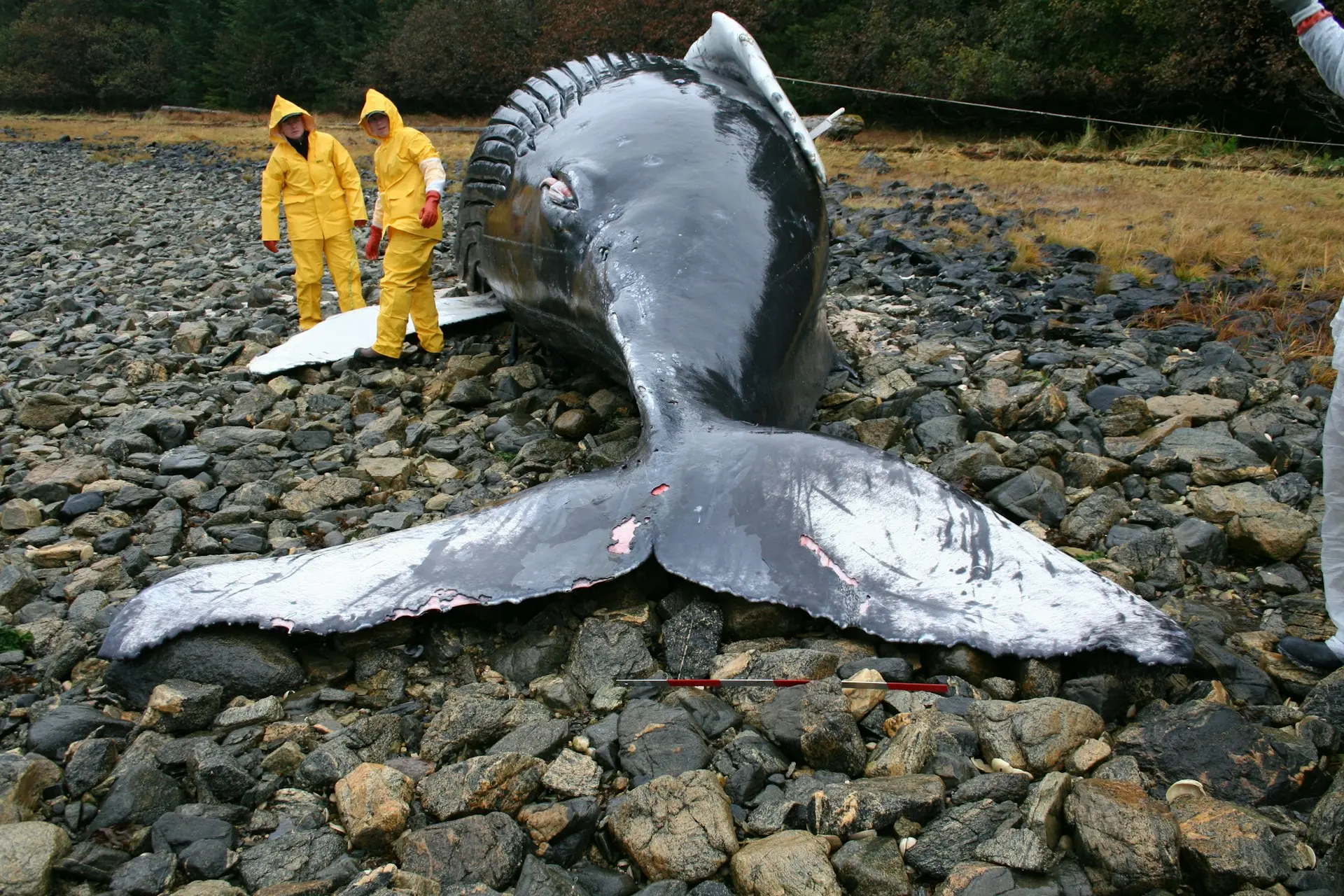
Every year, hundreds of whales and dolphins strand on coastlines around the world. These gentle giants wash ashore alive or dead, in groups of dozens or even hundreds. Scientists have studied this phenomenon for decades, yet many strandings remain deeply puzzling. What drives healthy, deep-diving marine mammals to beach themselves? The answer involves both ancient natural forces and disturbing modern threats.
At dawn on a quiet beach, a massive shape lies motionless in the surf, its dark form stark against the light sand. Volunteers, scientists, and onlookers gather around a stranded pilot whale, as the animal’s labored breathing creates a haunting rhythm. Rescuers work frantically, draping wet towels over its skin and digging trenches around it.
This scene plays out with alarming regularity. Since 1978, the Marine Mammal Stranding Center has responded to 6,465 strandings along the mid-Atlantic coast alone, and the problem is growing more severe. In 2024, the National Oceanic and Atmospheric Administration Fisheries documented 8,028 cetacean and pinniped strandings across the United States — a figure higher than recent averages.
Each stranding represents a tragedy. For every animal that beaches alive, marine mammal response teams must race against time to save it. Despite decades of experience, many questions remain unanswered about why whales and dolphins strand in the first place.
Several natural factors explain why marine mammals wash ashore. Old age, illness, and injury can weaken these animals, making them unable to swim or hunt effectively. When sick or elderly, a whale may lack the strength to resist currents. Parasites and bacterial infections can also impair their ability to navigate the waters. Gently sloping seabeds can confuse species that rely on echolocation to find their way, leading to disorientation.
Predator evasion can also trigger mass strandings. A 2023 study documented this type of event in 570 common dolphins, which researchers linked to the animals fleeing orcas. During a moment of panic, entire pods may rush into dangerously shallow waters.
Once there, the group’s strong social bonds prevent healthy individuals from abandoning stranded pod mates. These natural causes have likely driven strandings for millennia and represent the baseline that scientists must understand before identifying more troubling patterns.
Multiple animals often beach themselves along the same stretch of coast, sometimes showing signs of acoustic trauma, within hours of each other. A 2023 mass stranding in Cyprus saw 13 Cuvier’s beaked whales strand over several days, with post-mortem examinations revealing petechial hemorrhages in tissues and gas bubbles in the brain veins. Unfortunately, these unusual events frequently coincide with naval exercises in nearby waters.
Ken Balcomb spent years watching whales before becoming their most important defender. A former U.S. Navy pilot turned marine mammal researcher, Balcomb founded the Bahamas Marine Mammal Research Organisation. His military background gave him unique insight into what he would eventually discover.
In March 2000, Balcomb witnessed something that changed everything. Following intense naval sonar exercises near the Bahamas, 17 beaked whales stranded along the islands’ shores. Post-mortem examinations revealed hemorrhaging around the ears and brain, injuries consistent with acoustic trauma.
Refusing to let the issue fade, Balcomb worked with the Natural Resources Defense Council and other scientists to build an overwhelming case. His research demonstrated that high-intensity active sonar could disrupt diving behaviors in beaked whales and cause potentially fatal acoustic trauma, particularly with low-frequency systems. The sound waves were so powerful that they essentially deafened the animals.
The Navy eventually conceded. Scientific reviews found the connection between military sonar and certain strandings to be beyond a mere smoking gun, as his work exposed an uncomfortable truth about how human technology harms ocean life.
Balcomb’s discoveries prompted changes in how military branches worldwide conduct exercises, with the U.S. Navy now operating under stricter guidelines for protecting marine mammals. For instance, protected zones have been established, and exercises must avoid areas with high cetacean populations during sensitive periods.
However, tensions between military readiness and marine conservation persist. The Navy is currently authorized for up to 1,100 hours of sonar annually under the surveillance-towed-array sensor system low-frequency active programs. This number reflects changes in accounting methods rather than necessarily increased use, but environmental advocates remain vigilant.
Research also continues to reveal the scope of sonar’s impact. Mid-frequency sonar operates between 1 and 10 kilohertz and affects not only beaked whales but also larger species. The more scientists learn, the clearer it becomes that underwater noise pollution represents a significant threat to marine ecosystems.
Military sonar represents just one piece of a larger puzzle. For many whale and dolphin populations, acoustic disturbances combine with other human-caused threats. The North Atlantic right whale exemplifies this crisis.
The species teeters on the edge of extinction, with just 336 individuals left in the population. Entanglement in fishing gear, collisions with ships, climate change, and underwater noise pollution all threaten these animals, weakening their resilience and leading to cumulative stress-related strandings.
Noise pollution from shipping traffic, seismic surveys, and construction projects also fills the ocean with sound. Because whales rely on acoustic communication for mating, wayfinding, and locating food, the chronic noise exposure can lead to behavioral changes, altered stress responses, and increased susceptibility to disease.
The story of whale and dolphin strandings is also about solutions and ongoing research that offer hope. Stranding response networks provide critical data as rescuers attempt to save individual animals and foster scientific understanding.
Scientists continue refining knowledge about how human activities affect cetaceans, including the widespread nature of acoustic impacts. Their work helps establish guidelines for safer ocean use.
Citizen scientists also play an increasingly important role. Beachgoers who report strandings provide early alerts that can mean the difference between life and death. Public awareness campaigns help people recognize signs of distressed marine mammals and know who to contact. Individual actions from supporting sustainable fishing to advocating for quieter ships contribute to healthier oceans overall, where fewer whales and dolphins strand.
These common questions help clarify key aspects of whale and dolphin strandings.
In many whale and dolphin species, strong social bonds keep tight-knit family groups together. When one animal becomes stranded, others may beach themselves in an attempt to help or refuse to leave. This loyalty, while admirable, often turns single strandings into mass tragedies.
Multiple factors determine refloating success, including species, health status, stranding duration, and environmental conditions. Smaller dolphins have higher survival rates when refloated quickly. Large whales face challenges because their body weight can crush internal organs out of water. Teams assess each situation carefully, and sometimes euthanasia becomes the most humane option to prevent suffering.
Researchers combine field observations, necropsy results, environmental data, and historical patterns. They examine the animals for injuries, diseases, and stomach contents. Water samples are tested for harmful algal blooms, while satellite data tracks ship traffic and naval activities. This detective work often takes months, especially when decomposition has advanced.
The mystery of why whales and dolphins strand remains partially unsolved. Natural causes like illness and predator evasion have always driven some strandings. Still, Ken Balcomb’s pioneering work revealed how naval sonar creates new dangers these ancient mariners never evolved to handle. As human activities expand, continued vigilance and research remain essential to protecting these magnificent creatures.