The Rise of Vegan Chocolate and Other Sweet Treats
We are reader-supported. When you buy through links on our site, we may earn affiliate commission.
Chocolate has been a favorite of many for years. Recently, however, people have started thinking about the impact of their sweet treats. Looking at that data has made some think about ways they can reduce their footprints and start putting their money toward businesses that want to make a difference. This has led to a broad expansion in the amount of plant-based snacks, including vegan chocolate.
The Impact of Traditional Chocolate
America loves chocolate — consumption has reached nearly 20 pounds per capita per year, and worldwide, the industry is worth over $90 billion. There’s a lot of money to be made on such a popular product, but the ingredients are worth paying attention to when so many of them are necessary.
Currently, key elements like palm oil, cocoa and soy are traded with minimal traceability. Vendors and manufacturers use independent supply chains to keep the true nature of their harvesting under wraps, obscuring the environmental consequences. One study found that these accounted for up to 42% of soy, 90% of palm oil and 100% of cocoa sourcing.
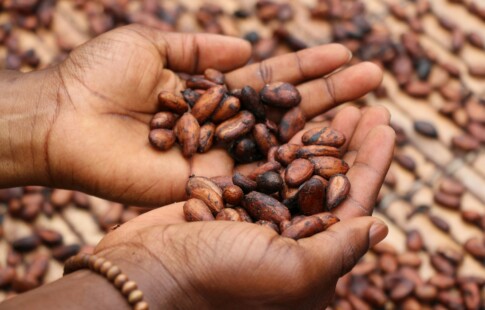
Cocoa also ranks as one of the highest carbon-emitting foods globally. Its harvesting has significantly contributed to pollution, habitat and biodiversity loss, and deforestation. Additionally, there are notable human rights issues. Some farmers earn just $0.78 a day, and forced and child labor occurs due to the extreme poverty.
Along with the human and environmental costs, there is an animal one. There are around 270 million cows kept for their dairy in the world, which give up to 12,000 liters of milk a year. Researchers have equated such a feat to an athlete who would need to run a marathon every day.
Concerningly, there are no animal welfare certifications in the chocolate sector that align with high-welfare husbandry standards. Most of these animals don’t even see a pasture in their lifetime. Compared to plant-based milks, cow milk emits two to four times as many greenhouse gases (GHGs), doubles eutrophication, and requires three and a half times more freshwater and tenfold more land. The industry has not disclosed how much dairy it sources annually, but it is likely millions of metric tons.
How Vegan Chocolate Makes a Difference
One of the reasons for the rise in vegan chocolate is that consumers are looking for products that are cruelty-free and sustainably sourced. While dark chocolate has also risen in popularity — thanks to it being dairy-free, gluten-free and full of antioxidants — many brands are also starting to release plant-based options like coconut, oat and almond milks.
As shoppers start paying more attention to what goes into making their food, the demand for plant-based chocolate has increased. Research from the University of Oxford found that a global switch to a vegan diet would halve GHG emissions from food production and decrease land use by 76%. Thanks to such ideals, the vegan chocolate market could rise from $1.17 billion in 2025 to $2.7 billion by 2032.
Entities Leading the Way
There are also many efforts to make the market more equitable. Brands like Tony’s Chocolonely have opted to trade directly with cocoa farmers, cutting out the middleman of independent supply chains. It pays them an extra premium on top of the Fairtrade premium, as well as investing a percentage of sales in its Chocolonely Foundation, which runs community projects and helps victims of human trafficking.
Alter Eco offsets 100% of its emissions through tree planting in South and Central America, and earned certifications from Fairtrade and B Corp. The products are certified organic and come in wrappers that are fully compostable. To assist cocoa farmers, it only sources this ingredient from them and teaches regenerative farming practices through its Alter Eco Foundation. These help them promote biodiversity among crops and decrease tillage for minimal soil disruption.
In a Fairtrade first, the Kuapa Kokoo Farmers’ Union — a cooperative consisting of 100,000 Ghanaian cocoa farmers — is a significant shareholder of chocolate maker Divine. Several of its bars have approval from the Vegan Society, and it does not use palm oil or soy in an effort to curb deforestation. Like the previous companies, it also uses a portion of its profits to give back to the community, such as through adult literacy and numeracy classes and farmer training.
By eliminating animals from the equation and ethically sourcing ingredients, businesses making vegan chocolate can profoundly impact the market and the environment. Spreading eco-conscious farming techniques and working directly with farmers and the community helps make the sector more sustainable, as well.
The Popularity of Plant-Based Sweet Treats
Chocolate may dominate 45% of the vegan confectionery market, but there has also been an increase in demand for other plant-based sweets. The industry’s size was $1.5 billion in 2025, and this number is expected to grow to 3.5 billion through the following decade. Brands like JELL-O now offer Oat Milk Chocolate Pudding, while others are creating vegan caramels, marshmallows, baked goods, gummies and jellies, licorice, and hard candies.

Some enterprises even end up accidentally creating plant-based products. For example, are Oreos vegan? Though the packaging says they may contain milk, this is simply a warning that there may be cross-contamination, as they’re made in facilities that also handle dairy. The recipe changed in the 1990s, replacing animal-based lard with hydrogenated vegetable oil. Some varieties aren’t fully plant-based — like the Cakesters or those covered in fudge — but the regular, golden, carrot cake, mint and more varieties are accidentally vegan.
Are Vegan Snacks Healthier?
Whether plant-based savory and sweet snacks are healthier than their traditional counterparts depends on what they’re made of. Naturally, something like baby carrots or dried fruit is going to be a healthier option than a vegan pastry or cookie. Even though they might be made with a plant-based butter or ethically sourced sugars, they still have ingredients people should consume in moderation.
Vegan Chocolate Signals a Shift
The rise of plant-based chocolates and other sweet treats shows more customers are starting to care about how their food is made and where it comes from. An increasing number want to use their money to support companies that choose to remove animal products from their ingredient lists and ensure they’re sourcing others ethically. By doing so — even accidentally, in some cases — these businesses help create a more equitable sector.
Share on
Like what you read? Join other Environment.co readers!
Get the latest updates on our planet by subscribing to the Environment.co newsletter!
About the author

Grace Waters
Always inspired by the natural world around her, Grace grew up exploring tide pools and hiking mountain trails, developing a deep appreciation for biodiversity and conservation. Now, Grace works as the Senior Editor of Environment.co where she covers topics related to emerging clean technologies, zero-waste initiatives, and the intersection of environmental policy and everyday living.