We are reader-supported. When you buy through links on our site, we may earn affiliate commission.
An urban homestead creates self-sufficient, sustainable living spaces in urban areas. It is a refreshing trend that brings the essence of traditional farming into the heart of the city. This movement is gaining momentum as more people seek ways to live sustainably, even in bustling city environments.
The benefits are impressive — imagine having fresh, home-grown produce right from your balcony or rooftop. Urban homesteading provides access to fresh, healthy food and significantly reduces your environmental footprint, making it a win-win for city dwellers and the planet.
Urban living often means limited space, so it’s essential to assess what you have available. You can transform a small balcony or patio into a productive area. If you lack outdoor space, windowsills and indoor rooms can also be potential spots for plants.
In addition, plants need sunlight to thrive, making sunlight availability a vital consideration. Most edible plants require at least six to eight hours of daylight. Observe the areas where you plan to set up your homestead and note how much direct sunlight they receive daily.
Starting your urban homestead requires some tools and resources. Here’s an essential list to get you started:
These tools and resources will help you build a solid urban homestead foundation. Remember, you can expand your toolkit as your garden grows and evolves.
As you delve deeper into urban homesteading, you’ll discover that space limitations can inspire creativity. Here are innovative gardening techniques for urban environments.
Vertical gardening is a creative solution for growing plants in limited spaces using vertical space rather than the traditional horizontal approach. This method involves growing plants upwards using structures like trellises, wall-mounted planters, hanging baskets or shelves.
Here are the benefits of vertical gardening:
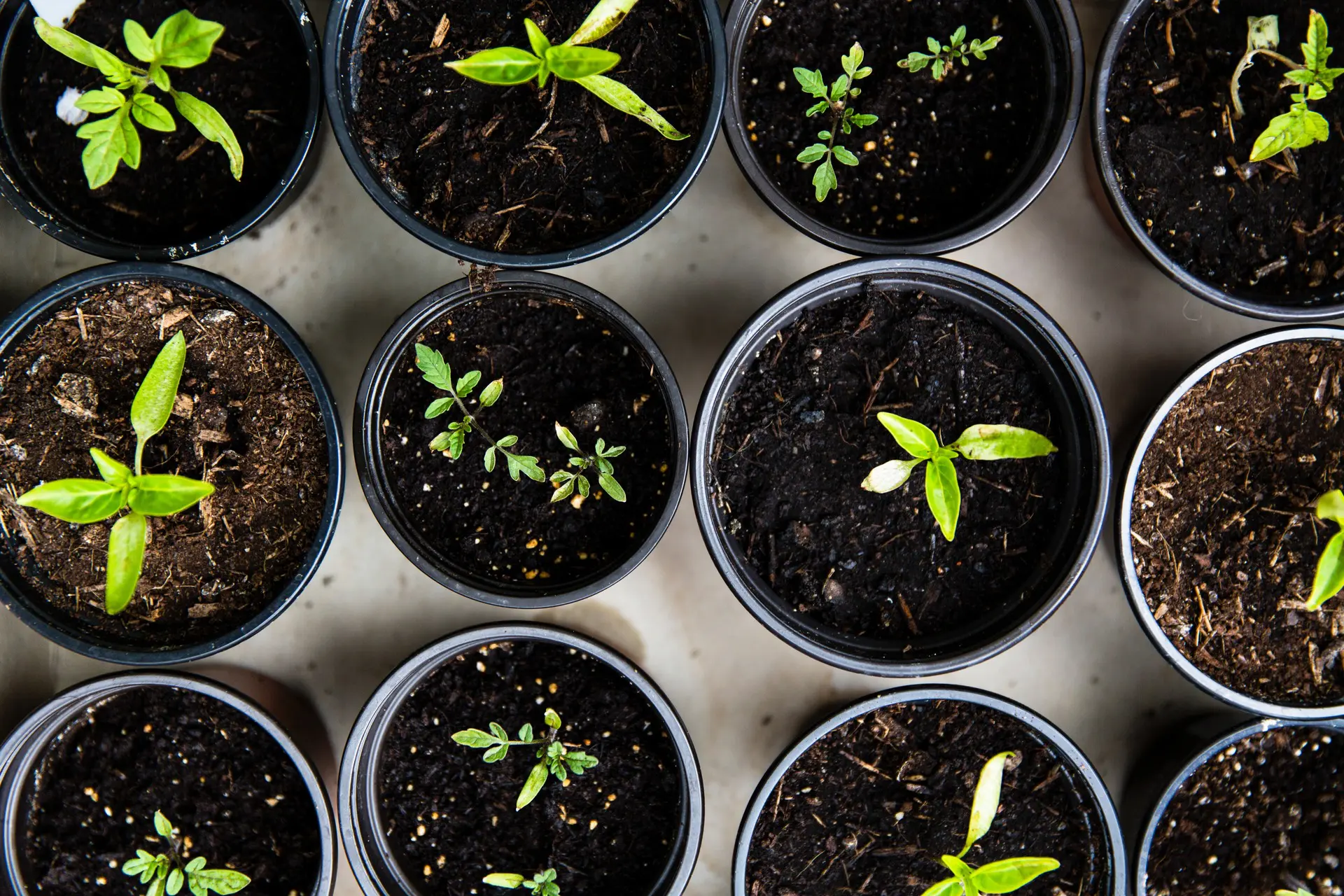
Container gardening is an ideal solution for growing plants in small urban spaces. Select the right container size, ensuring it has proper drainage to prevent waterlogging. Moreover, regular watering is crucial, as containers dry out faster than traditional gardens, but be cautious of overwatering to prevent root rot.
To maintain a thriving container garden, fertilize regularly since nutrients in pots deplete more quickly. Regular pruning and deadheading encourage healthy growth and prevent disease. Be aware of seasonal changes — you may need to move some plants indoors during colder months. Grouping plants with similar light and water needs can simplify maintenance.
Composting in an urban setting is a practical way to reduce waste and enrich your garden soil. Remarkably, 30% to 40% of the U.S. food supply ends up in landfills, contributing to greenhouse gas emissions. Composting can turn your kitchen scraps into valuable nutrients for your plants, and you can play a part in reducing this waste.
Compost materials can include “greens” — like fruit and vegetable peels — and “browns” like dry leaves and paper. Remember to avoid meat, dairy and oily foods to prevent attracting pests. Layer the greens and browns to maintain your compost, ensuring a balance between them.
Keep it as moist as a wrung-out sponge and turn it regularly to add oxygen, accelerating the decomposition process. The compost will eventually transform into dark, nutrient-rich soil over a few months.
Time and method are pivotal to conserving water in urban gardens. Water your plants early in the morning or late afternoon to minimize evaporation, ensuring that more water reaches the roots.
Likewise, consider installing a drip irrigation system, which is more efficient than traditional sprinkling methods, as it delivers water directly to the plant roots. Mulching is another effective strategy — it helps retain soil moisture, reduces evaporation and keeps plant roots cool.
Additionally, rainwater harvesting is an excellent way to conserve water. Collecting rainwater in barrels for garden use helps save tap water. Maintaining soil health is crucial, too — enriched soil with good organic matter retains moisture more effectively.
Choosing suitable crops for urban environments involves considering space limitations, sunlight availability and your preferences. Here are some guidelines to help you select suitable crops for your urban homestead:
Understanding seasonal cycles is essential for optimal plant growth and sustainability in an urban homestead. Different plants flourish in specific seasons. For instance, cool-season crops — like lettuce and spinach — are ideal for temperatures between 55°F and 75°F. Meanwhile, warm-season varieties — like tomatoes — excel in summer.
Aligning your planting schedule with these natural cycles ensures healthier plants and more abundant yields. Additionally, being in tune with seasonal changes aids in pest and disease management, as many garden afflictions are season-specific.
Seasonal planting also enhances resource efficiency. For example, selecting drought-tolerant crops during drier seasons can significantly reduce water usage. This approach aligns with nature’s resources and ensures a continuous harvest throughout the year, enabling a succession of different crops as the season progresses.
An urban homestead empowers you to cultivate fresh, healthy produce right at your doorstep, reducing your carbon footprint and bringing a slice of nature into the city landscape. As you embark on this rewarding path, remember that every small step counts.
Whether a pot of herbs on a windowsill or a full-fledged rooftop garden, your efforts contribute to a greener, more sustainable world. So, start where you are, use what you have and do what you can.