The Effect of Animals on Plants
We are reader-supported. When you buy through links on our site, we may earn affiliate commission.
What is the effect of animals on plants? Recognizing how animals and plants depend on each other is vital for conserving ecosystems. Biodiversity, supported by this relationship, helps with carbon storage and overall ecosystem stability — essential for sustainable efforts.
Mutualistic Interactions Between Animals and Plants
The effect of animals on plants’ interactions showcases the interdependence of animals and plants, contributing to the health and sustainability of ecosystems. Mutualistic interactions between animals and plants are partnerships where both parties benefit. Examples include pollination, seed dispersal, and nutrient cycling.
Pollination
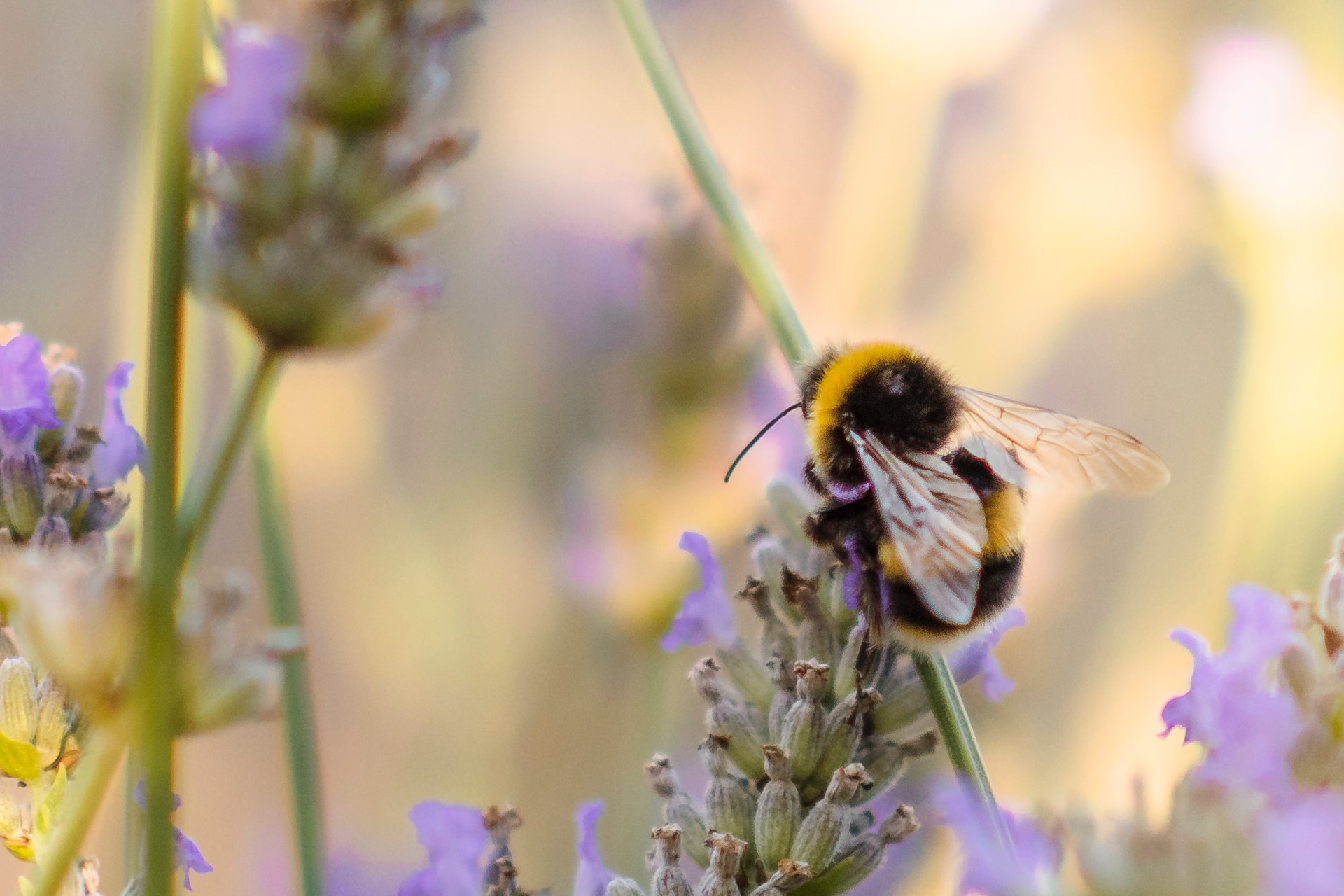
The effect of animals on plants is a broad topic. For instance, animals like bees, butterflies and hummingbirds play a crucial role in pollination.
They transfer pollen between flowers, enabling plants to produce seeds. This process is crucial for the survival of many plants and has a significant impact on biodiversity.
In agriculture, these animals are critical for the successful growth of crops. About 75% of flowering plants globally and about 45% of our food crops rely on animals like bees for reproduction. This means roughly one-third of the food you eat is possible because of pollinators, including native bees, that enhance crop yields.
The relationship between plants and animals through pollination is mutually beneficial. Plants rely on animals, such as bees and birds, for reproduction. These animals unintentionally transfer pollen between flowers, facilitating the formation of seeds and ensuring the next generation of plants. This process is essential for the survival and genetic diversity of many plant species.
On the flip side, animals depend on plants for food. Nectar, produced by flowers, is a source of pollinators’ energy.
In the case of herbivores, plants directly provide sustenance. This interdependence forms a delicate ecological balance where plants and animals coexist, each meeting essential needs for their survival. It underscores the intricate web of relationships in nature, highlighting the interconnectivity and interdependence of different species within ecosystems.
Seed Dispersal
Seed dispersal has beneficial effects on plants in several ways. It helps plants spread out and avoid overcrowding near the parent plant, creating a healthier population.
Dispersing seeds to different locations means plants encounter diverse conditions, leading to greater genetic diversity — which helps them adapt and remain resilient. It allows plants to reach new habitats where they might thrive better, contributing to their survival and growth. By establishing new habitats, plants make ecosystems more resilient and stable.
How Animals Aid in Seed Dispersal
The effect of animals on plants is that animals play a vital role in helping plants spread their seeds. They do this in five different ways — mainly:
- Ingestion: Animals eat fruits with seeds. After digestion, the seeds are released in a new location when the animal excretes. This spreads seeds around, reducing competition and helping plants grow in new places.
- Attachment: Some seeds stick to animals’ fur or feathers. As animals move, they carry seeds to new places and help plants establish themselves in different habitats.
- Transport: Seeds can hitch a ride on animals, adhering to their bodies and aiding in their unintentional transport to different areas.
- Ant-mediated dispersal: Seeds attract ants that carry them to their nests. Ants help bury and protect seeds, influencing where certain plants grow.
- Caching: Animals like squirrels store seeds for later— when some are forgotten, it leads to the accidental dispersal of seeds — impacting the types of plants in an area.
Nutrient Cycling
Animals play a key role in recycling nutrients in nature. Here’s a breakdown of the cycle:
- Eating plants: Animals eat plants for food. They absorb nutrients from plants, using them for their own growth and development.
- Returning nutrients in water: They release waste-containing nutrients from the plants they eat. This waste returns nutrients to the environment, allowing them to be recycled.
- Decomposing waste: Decomposers break down waste, including animal remains. This breakdown releases nutrients, enriching the soil for plant growth.
- Soil enrichment: Enriched soil from decomposition supports plant growth. Plants thrive from this nutrient cycle.
Herbivory’s Balancing Act Between Animals and Plants
Herbivory, the consumption of plants by animals, is a natural process where animals eat plants. It has sparked an evolutionary contest between herbivores and their plant hosts.
Animals that eat plants have developed unique adaptations to obtain plant nutrients, including specialized teeth and digestive systems. These tricks help them eat plants effectively and even influence the traits of the plants they eat.
Plants have protection methods, such as thorns or toxins, to deter herbivores from eating them. These defenses discourage animals from eating them and protect the plant’s ability to produce more plants.
Plants and herbivores have strategies to live together. Some plants make substances that repel herbivores and attract creatures that eat those herbivores — creating a balance in nature.
Herbivory and Plant Adaptations
Plants employ various strategies to deter animals that consume them, thereby influencing the interactions between plants and animals. Some plants only activate their defense mechanisms when eaten. This saves energy for the plant, and when an animal starts eating, it fights back, making the plant less palatable to the animal.
Certain plants mimic the appearance of other organisms, such as animals or damaged plants, which confuses predators and helps the plants avoid being eaten.
Trophic Cascades
Trophic cascades are like a chain reaction in nature. Changes in the number or behavior of animals, especially predators, can affect plants and the whole ecosystem.
Predators keep herbivores in check, preventing them from overeating plants and maintaining a balance in the ecosystem. Without them, herbivores can consume excessive amounts of plants, thereby altering the environment’s appearance and balance. Some examples are:
- Yellowstone wolves: Without wolves, too many elk were eating plants. Bringing wolves back to Yellowstone in 1995 helped restore the ecosystem’s balance. Less elk grazing allowed plants to grow, benefiting other animals.
- Sea otters and kelp: Overfishing hurts sea otters, leading to too many sea urchins eating kelp. Reintroducing sea otters helped control sea urchins, allowing kelp to thrive again and supporting marine life.
- Elephants and acacia trees: Poaching reduced elephant numbers, letting other herbivores eat too many acacia trees. African elephants can disperse seeds up to 40 miles, so protecting them is crucial in altering herbivore behavior and giving acacia trees a chance to grow.
Conservation and Future Directions
Protecting animals is crucial for plant conservation and the restoration of ecosystems. Disrupting animal-plant interactions can harm the health of entire ecosystems, affecting plant growth and diversity. Recognizing this, conservation policies stress the need to preserve these relationships.
Climate Change and Research
Climate change impacts animal-plant interactions by messing with when plants bloom, where animals live and the partnerships they share. In its most recent assessment, the International Union for Conservation of Nature (IUCN) reports that 47,187 out of 169,420 species are at risk of extinction. This disruption can lead to problems for plant communities and make ecosystems less resilient.
Studying animal-plant interactions needs more attention. Future research should look into these complexities, examining how animals and plants mutually depend on each other. Teamwork between different fields and the use of advanced tools can help unravel the mysteries of these relationships and inform conservation efforts.
Policies Focused on Ecological Protections
Conservation policies help protect plants and animals and the ecosystems that rely on them. Special frameworks establish guidelines and expand the protection of national parks and marine sanctuaries, ensuring that symbiotic relationships thrive without interference from human activity.
Many policies also help restore keystone species — the pollinators, seed dispersers and other critical creatures — that are vital for the health of different species. These regulations also prevent further habitat fragmentation, resource overconsumption, pollution and invasive species distribution.
How You Can Support Conservation
You have the opportunity to support conservation efforts by donating or volunteering for organizations that aid restoration initiatives. At home, consider creating a backyard oasis for plant-animal partnerships by planting native flowers, trees, and shrubs that provide food and shelter for pollinators and small critters.
Smart consumer decisions — from buying sustainable products with minimal packaging to supporting companies with green commitments — are another way to prevent deforestation and pollution. Likewise, you should aim to reduce your carbon footprint and advocate for more stringent environmental protections within your local area.
Frequently Asked Questions
How Do Plants and Animals Depend on Each Other in the Ocean?
Plants and animals depend on each other, whether on land or in the ocean. In both environments, plants create the foundation of ecosystems, generating clean air and providing food for animal survival.
Animals create the carbon dioxide that plants require for photosynthesis and encourage nutrient cycling through waste and decomposition. This exchange of energy and resources is fundamental to the Earth’s vitality.
What’s it Called When Animals and Plants Depend on Each Other?
Symbiosis is the act of plants and animals depending on each other, describing a close and long-term biological relationship between two biologically contrasting organisms. The most common symbiotic relationship is mutualism, in which both species benefit from their interaction.
Commensalism and parasitism are two other types of symbiotic relationships. The first is one where just one organism benefits, while the second is when a parasite benefits from its host. Each interaction is essential for maintaining a healthy terrestrial and aquatic ecosystem.
What Are Examples of Plants and Animals That Depend on Each Other?
Pitcher plants are carnivorous, having formed a mutualistic relationship with roosting woolly bats. In exchange, they benefit from the bats’ feces. A similar partnership occurs between pitcher plants and shrews.
In the Sonoran Desert, the senita moth is responsible for 95% of the senita cactus’s fruit production. Female moths lay eggs in the flower — when the larva hatches, it feeds on the seeds and fruit tissue, allowing the cactus to thrive.
The Lilford’s wall lizard is another creature with a unique bond with the dead horse arum plant. The plant emits a scent and appearance reminiscent of rotting flesh to attract flies, which the lizard then consumes, along with the plant’s berries and seeds. When the lizard passes the seeds through its gut, they are twice as likely to germinate, resulting in a sixfold increase in the plant population.
Recognizing The Effect of Animals on Plants
Animals significantly impact plants, helping with reproduction, diversity and overall ecosystem health. Understanding and protecting the relationships between animals and plants are crucial to thriving in the natural world.
Editor’s Note: Article updated December 3, 2025, to update statistics and content. This article was originally published on April 9, 2024.
Share on
Like what you read? Join other Environment.co readers!
Get the latest updates on our planet by subscribing to the Environment.co newsletter!
About the author

Steve Russell
Steve is the Managing Editor of Environment.co and regularly contributes articles related to wildlife, biodiversity, and recycling. His passions include wildlife photography and bird watching.