We are reader-supported. When you buy through links on our site, we may earn affiliate commission.
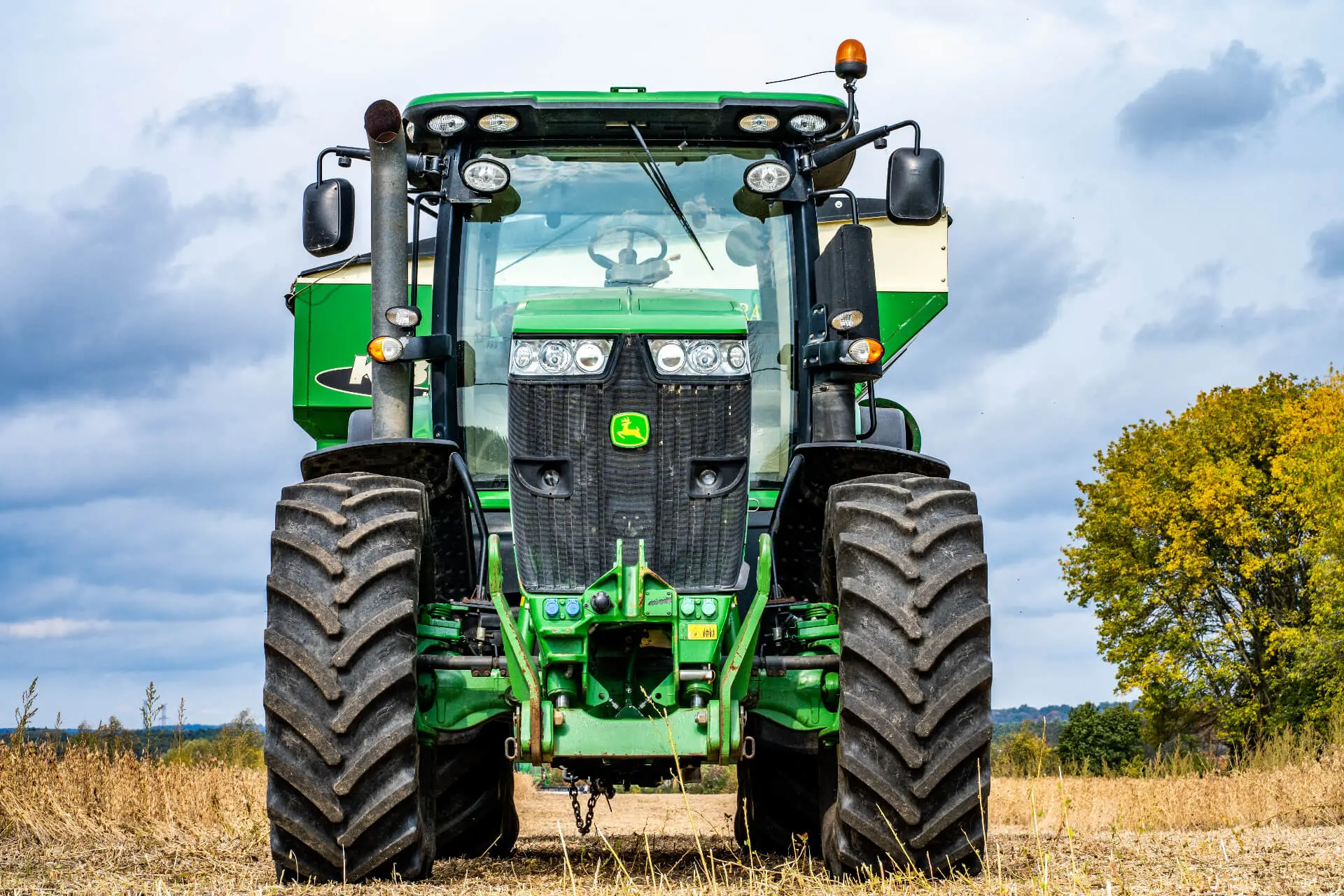
John Deere is the most prominent name in farming equipment worldwide. It is a household name. For some, it is the only brand they can access where they live. So, what is the relationship between John Deere and right to repair? These machines are complex, requiring original equipment manufacturer parts. Repairs are manageable for some farmers, saving them countless dollars and headaches by taking repairs into their own hands with off-brand options.
Unfortunately, there has been contention between owners and the equipment manufacturer for years because John Deere prohibited owners from repairing their equipment with non-John Deere parts. Why did this exist, and how has the story of John Deere and the right to repair developed?
The Right to Repair movement encourages total liberty for equipment owners to repair their machines however they choose, including:
Previously, John Deere only allowed buyers to use their services and OEM products, preventing many from seeking cheaper or DIY alternatives. The right to repair applies outside of farm equipment to cars and electronics.
Some manufacturers lock buyers into their brand, executing consequences for anyone who defies. Sometimes, this includes dissolving warranties or manipulation into repurchasing products instead of repairing them. The more technologically embedded farming equipment becomes, the more significant opportunity manufacturers have to lock owners out of repairing it themselves.
The topic has been hotly debated in the United States for several years. Despite actions such as the Magnuson-Moss Warranty Act and the Motor Vehicle Owners’ Rights to Repair, it was only at the beginning of 2023 that John Deere allowed United States citizens the right to repair their John Deere-branded farming equipment in a signed memorandum of understanding with the American Farm Bureau Federation.
Despite what seems like a promising step forward, the arduous fight continues at the state level. What is making people remain up in arms?
The central concern farmers have about the memorandum is there is nobody to enforce it. Though the manufacturer and the AFBF plan to meet twice yearly to review the terms, this is not frequent enough or particular security for farmers’ peace of mind. Additionally, this was a signed agreement with a private organization — not legislative action.
What stops John Deere from rescinding their promise when consequences might be minimal? It expedites action a bit, as lawmaking is long and tedious. But, will this private patch be for the long-term right to repair or eliminate all efforts on federal and state levels to solidify more intense measures? It could irreparably harm the future of agriculture.
The document in question feels like a win for farmers, but there are sneaky inclusions that gave John Deere the upper hand over the AFBF. The memorandum has clever wording, notably in this section:
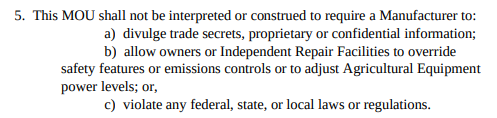
John Deere is still allowed to have secrets, preventing independent repair people from understanding the whole scope of their equipment — despite John Deere publicizing that it has empowered repairs for almost two centuries. It also prevents repair people from overriding safety features, which seems optimistic. However, there are specific reasons and circumstances where turning off those features may be necessary to fix the machine or, in some rarer cases, increase overall safety.
Under Section III, there are more concerning statements that John Deere appears to have manipulated the AFBF into:
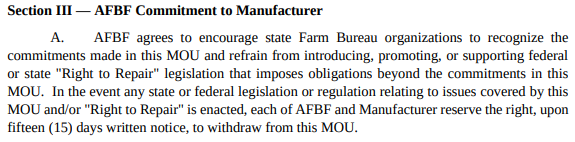
The inclusion of this paragraph is troubling, as it requires the AFBF to encourage farmers from further right-to-repair advocacy when they are the people who need it the most.
The fight continues for farmers to solidify their rights to repair more firmly. These recent signings kept the conversation alive, but at what cost? Farmers, ranchers, and private repair outfits should not stop until the right to repair becomes an inarguable, regulated law. Until then, ignoring this could harm farmers worldwide, even if these issues are mainly sparking in the United States presently.
Whatever happens in the nation could set a precedent that other countries should keep an eye out for. It has already inspired similar agreements in place of advocating for much-needed legislation. Loophole documentation like this could inspire many others to ignore what is best for agriculture for the benefit of their bottom lines. Here are other potential ramifications if citizens do not support their farmer’s rights to repair:
Standardized, globalized right to repair is an action everyone should lobby for. The ability for farmers to fix their equipment with lower costs and faster repair times is a boon for businesses large and small. It allows production to keep going, primarily when farmers have already invested potentially six figures into a single John Deere machine.
The John Deere right-to-repair scenario in the U.S. will ignite worldwide discourse — as it should. Consider smallholder farms in African nations that need equipment, but the practical and emotional costs of John Deere prevent them from advancing technologically and efficiently. Hopefully, these headlines and state court cases bring unification for the right to repair in the agricultural sector that ultimately bleeds into tech and automotive industries, too.