We are reader-supported. When you buy through links on our site, we may earn affiliate commission.
Trends of countertop herb gardens and beginner gardening have been spreading in the last couple of years. You can go past a berry bush and sprout your own mint. Learn how to grow microgreens at home. If you can do that, then you’ll unlock the next level of potential for becoming self-sufficient.
There are hundreds and hundreds of microgreen varieties in the world. However, these are the most common people include in their home cooking, depending on your tastes, culture, and preferences. You might be surprised at what they encompass, too. They can include but are not limited to:
As you can see, this includes some prominent root vegetables, herbs, and grains. Microgreens cover a wide variety, so it benefits everyone to learn how to grow them at home.
If you want to feel extra proud of yourself in 2025, learn how to grow microgreens at home. You will be able to control everything in the process, making them as organic and nutritious as you can. Here’s how to get started.
Unless you have a large property, you likely won’t be able to grow everything on the list. Think about what foods you eat most or what nutrients you want to include more in your diet. Then, select your seed packets. Many have the word “microgreen” on them. If you don’t want to spend money, many libraries now have seed libraries where people donate excess seeds from their gardens.
Your microgreens will need a healthy environment to flourish. Trays and shallow containers work well given their root systems. Then, you’ll need potting soil or healthy dirt from your yard. This is pretty much all you’ll need except for water and a light source.
You could also get grow lights if you want, but they aren’t necessary. Despite what many articles will tell you, you don’t need to spend tons of money to get started in learning how to microgreens at home.
The soil has to be right to support the microgreens. One to two inches should do the trick. If you’re using solid from outside and not supplementing it with compost or potting soil, be sure to do a soil test first to ensure there are not any harmful contaminants. Compact the soil down well so there aren’t too many air pockets for unwanted microorganisms or pests to get into.
Generously sprinkle seeds over the prepared soil. How close you place them is based on how dense the microgreens are when they grow. Cover your seeds with another thin layer of soil, though some prefer to be left in open air.
Water them but not too much. You may want to use a mister instead of a pot, depending on the needs of each microgreen. Waterlogging could stunt growth or move seeds around too much from the sowing stage. Cover them with the container’s lid or something else so they can germinate over the next week or so.
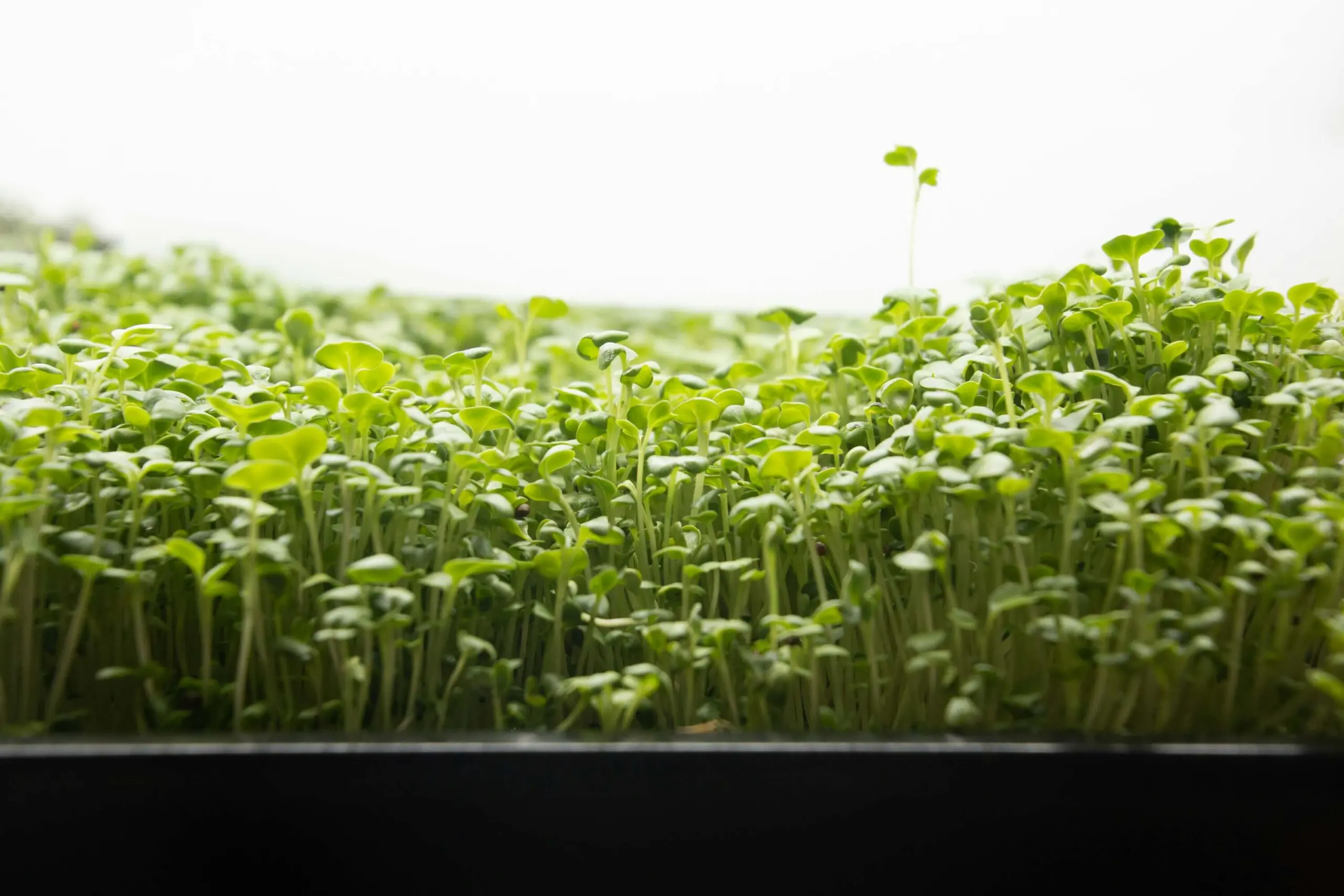
You’ll eventually see seeds starting to sprout. This is when you can move them to a sunny spot in the home or in your yard. You’ll want to check on them. Some plants get singed with too much sun or wilt with too little. Periodically check the soil with your finger to test moisture content, or pull out a moisture thermometer. Every microgreen grows at different rates, but you can usually harvest within the first month. Also keep an eye out for pests and take care of them accordingly if they show up.
What are some common problems and easy ways to avoid them?
Some seeds may not germinate if they are too old or try to grow in the wrong temperatures. Either change the environment, plant new seeds, or review humidity.
If there isn’t enough air circulating and too much water sits in the trays, it could lead to mold. Consider pulling back on your watering or find a dryer spot for the microgreens. Having a fan in the area is another option.
Leggy is a term to describe plants that are overgrowing with long stems and little fruiting or leaves. This is usually because the plant isn’t getting enough light to support seedlings. Move the plants to a brighter area or install grow lights if that’s not possible.
Microgreens typically have a bright color. When they start looking pale or yellowy, something is wrong. It’s usually because there isn’t enough light or the plants aren’t getting the right nutrient mixes. Add compost to the soil as a supplement and try different placements. Until they get their color back, which is usually in a few days.
A pest might cause alarm for beginner gardeners, but they are typically easy to squash. These include tiny aphids or flies. Numerous home remedies exist so you don’t have to use toxic pesticides. There are also products like insecticidal soap and neem oil which are helpful to apply to plants without hurting the leaves.
The microgreens might look good, but they may not taste as lovely. You might have overwatered them, causing this dilution of flavor. Reconsider watering schedules for the next batch, and do research on how water and nutrients influence flavor. Even liquid fertilizers can change the taste profile of a microgreen.
Growing microgreens at home is rewarding and sometimes finicky, but anyone can do it with minimal supplies and knowledge. You’ll often learn by doing, overcoming obstacles on the fly until your dinners become wonderfully colorful plates of vegetables you grew yourself.