We are reader-supported. When you buy through links on our site, we may earn affiliate commission.
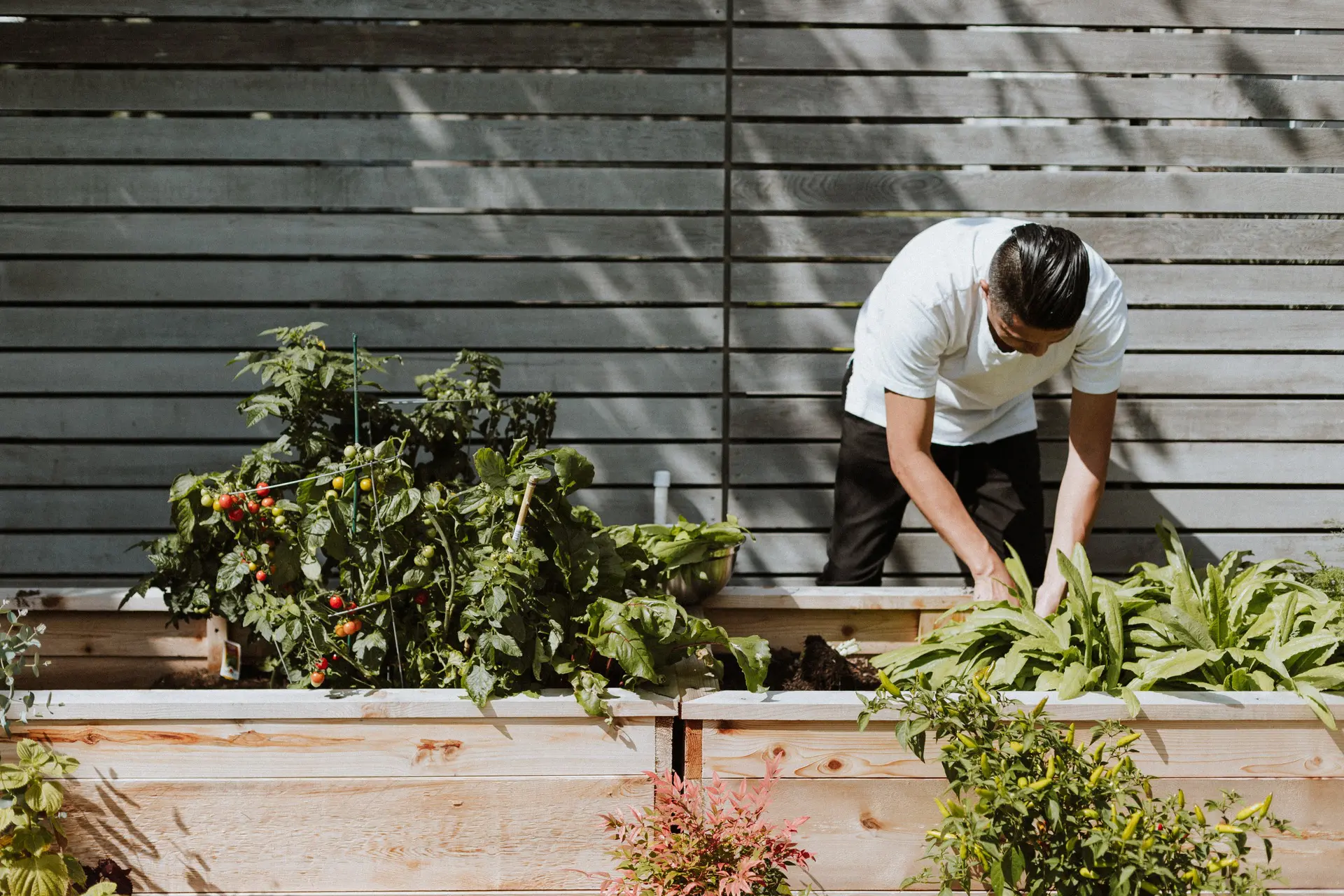
High-value crops (HVCs) in organic food gardening refer to plants that yield produce with a higher market value due to their demand, quality or rarity. These crops — often including exotic fruits, specialty herbs and unique vegetables — are increasingly sought after in today’s health-conscious and environmentally aware market.
The interest in organic produce has surged as consumers become more aware of their food choices’ health benefits and environmental impact. This rising demand presents a lucrative opportunity for gardeners and farmers. Focusing on high-value crops lets them tap into a market willing to pay a premium for organically grown, high-quality food products.
A high-value crop has the potential to yield a higher return on investment due to demand, uniqueness and premium pricing. These products are especially significant in organic farming, focusing on sustainable, chemical-free growing methods.
In 2021, fresh produce accounted for 40% of organic food sales in the U.S., underscoring the significant market for organic fruits and vegetables. This trend highlights the excellent opportunity for growers to focus on organic HVCs.
Examples of popular high-value crops include:
The benefits of growing these crops include a higher market demand for such produce from consumers looking for organic, healthful options. Additionally, these crops often command higher prices due to their perceived value, specialty status and the costs of organic farming practices. Growing high-value crops can be profitable for organic gardeners and farmers, providing a viable and sustainable way to meet the growing demand for organic produce.
Growing HVCs organically offers significant environmental benefits, making them an appealing choice for consumers and producers. One of the essential advantages is the limitation of harmful pesticides and synthetic fertilizers often used in conventional farming. Organic practices rely on natural methods for pest control and soil fertility, reducing environmental pollution and preserving biodiversity.
The sustainability aspect of organic farming is a strong selling point. Consumers today are increasingly environmentally conscious, seeking products that align with their values. Organic high-value crops meet this demand, offering premium quality and ecologically responsible produce. This consumer preference for sustainable products can boost the market value of these crops.
Additionally, organic farming practices contribute to soil health and water conservation, enhancing their environmental appeal. By using innovative techniques — like crop rotation, composting and natural pest control — organic farmers ensure the long-term sustainability of their land. This approach ensures consistent produce quality and commands higher prices in the market.
Selecting the right location and preparing the soil is crucial in establishing a successful organic garden, primarily when focusing on high-value crops. Here are some tips to consider:
Proper planting, watering and nurturing are vital for the success of high-value crops in organic gardening. Here’s detailed advice for each aspect.
The potential profits from growing high-value crops organically are just one aspect of the reward. There’s a profound satisfaction in nurturing a plant from seed to harvest, knowing you’ve contributed positively to the environment while producing high-quality, nutritious food.
The market for organic produce is growing, and your efforts can tap into this lucrative trend. So, stay curious, keep learning and take joy in each step of the gardening process. Your dedication and creativity in organic gardening could lead to financial gains, a deep sense of personal achievement and a healthier, greener world.