We are reader-supported. When you buy through links on our site, we may earn affiliate commission.
Conservation is no longer just about protecting what remains. Around the world, ambitious projects are actively restoring degraded ecosystems on a massive scale, from the Andes to the African Sahel. Communities and conservation leaders are reviving ancient forests, replanting coastal habitats and rebuilding damaged landscapes. These five habitat restoration initiatives prove ecological recovery is possible when innovation meets action.
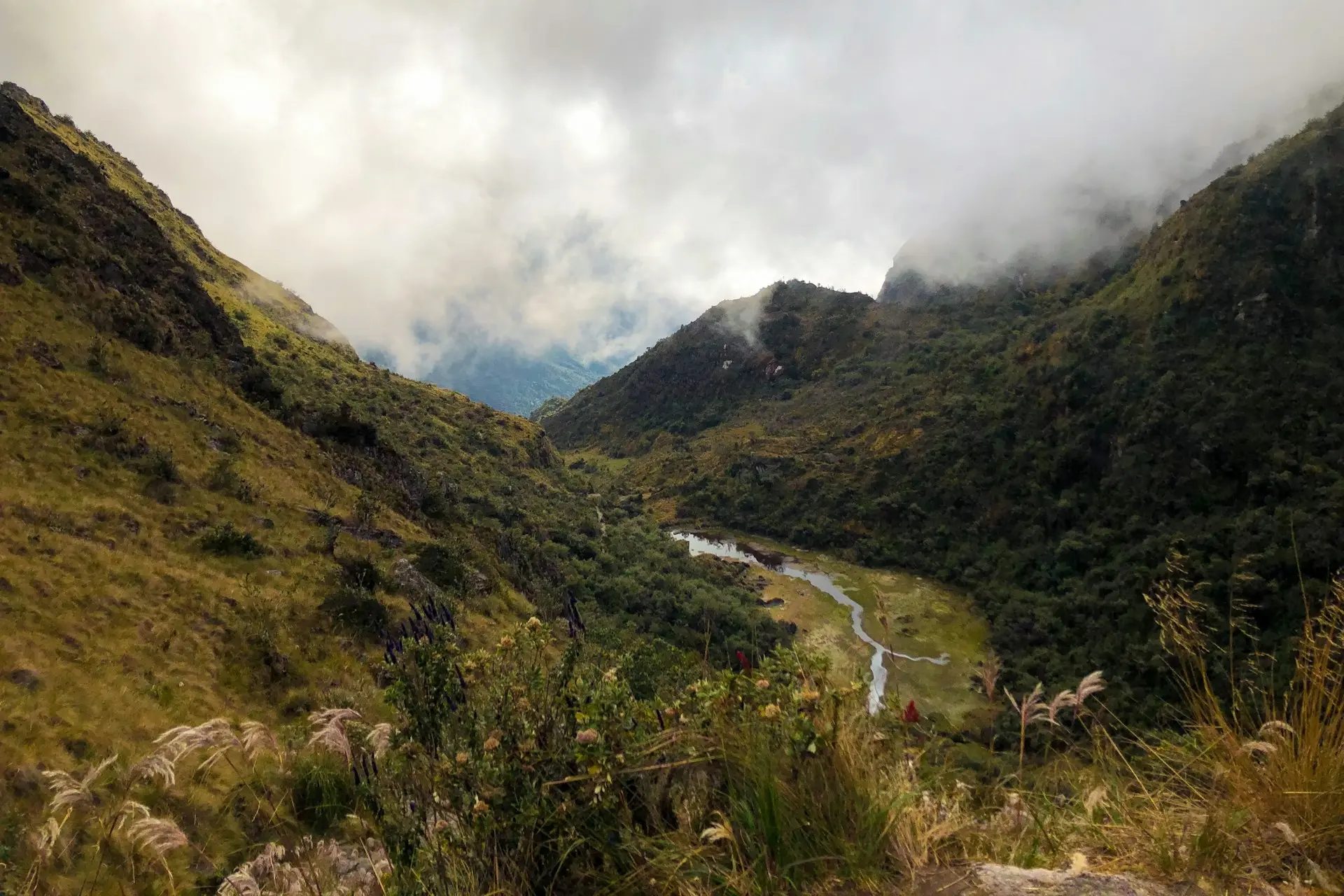
High in the Andes Mountains, a community-driven initiative is bringing back forests that have disappeared for generations. Acción Andina focuses on restoring Polylepis forests, a unique ecosystem of twisted, paper-barked trees that grow at elevations where few other species survive. These ancient woodlands provide critical water security for millions of people downstream while sheltering countless endemic species found nowhere else on Earth.
Since launching in 2018, the project has planted over 12.4 million native trees across several South American countries. The long-term vision extends to 2045, aiming to protect and restore one million hectares of this fragile ecosystem. That translates to more than 2.4 million acres of mountain forest returning to landscapes once stripped bare.
Acción Andina distinguishes itself through its emphasis on empowering local conservation leaders. The initiative works alongside Indigenous and rural communities who understand these landscapes intimately, while a network of experts provides technical resources and support. Communities themselves lead the restoration work, ensuring reforestation efforts respect local knowledge and create lasting stewardship rather than temporary fixes.
Along the Pacific Northwest coast, the Swinomish Indian Tribal Community is reviving an ancient practice that predates modern conservation by millennia. Traditional clam gardens, built and maintained by Indigenous peoples for at least 3,500 years, are making a comeback. These engineered ecosystems blend ancestral wisdom with contemporary restoration goals, offering a powerful example of habitat restoration drawing from deep cultural roots.
The technique involves constructing rock walls in the intertidal zone, which expands usable habitat for clams and other marine life while trapping sediment. The walls create terraces that stay submerged longer during low tides, providing a more hospitable environment for butter clams, sea cucumbers and various seaweed species. Research shows traditional clam gardens boost both shellfish production and overall species diversity.
Colonialism and modern shoreline development disrupted these traditional management systems, leading to their gradual abandonment and decline. Now, projects like the Swinomish effort demonstrate how reviving Indigenous practices can improve coastline resilience against climate change while restoring marine productivity.
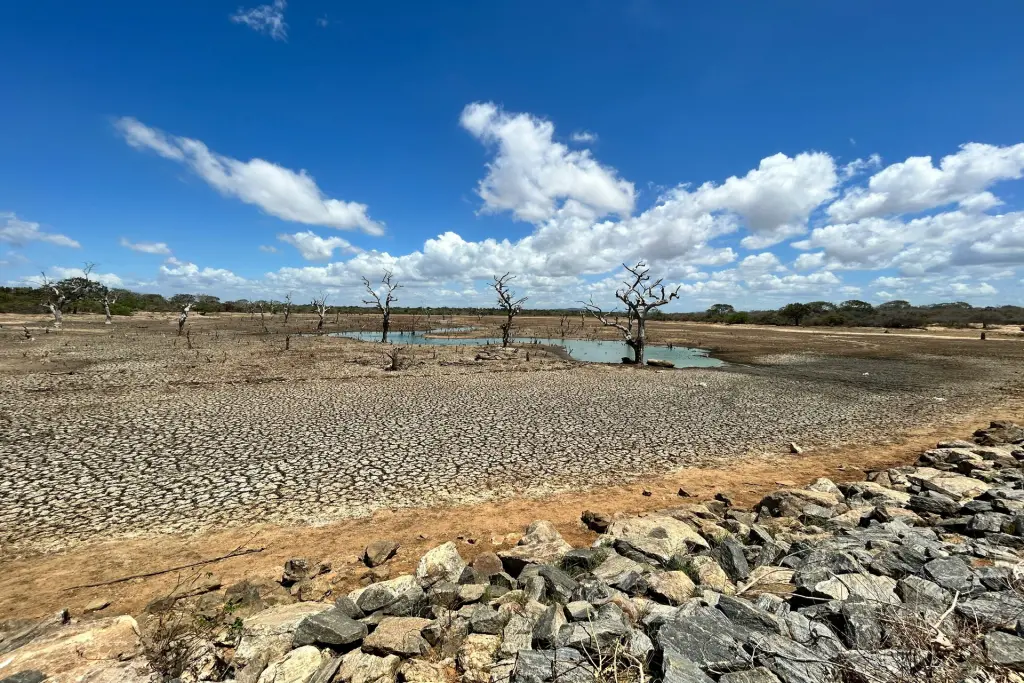
The most determined land restoration project on the planet spans 8,000 kilometers across Africa, representing an African-led movement to combat desertification and transform millions of lives in the Sahel. The Great Green Wall initiative isn’t a literal wall of trees but rather a mosaic of restored grasslands, forests, farmlands and sustainable agricultural systems designed to halt the southward march of the Sahara Desert.
By 2030, the project aims to restore 100 million hectares of land, capture 250 million tons of carbon and generate 10 million green employment opportunities across the continent. These aspiring goals address environmental degradation while tackling poverty, food insecurity and the displacement of communities forced to abandon degraded farmland.
Twenty-two African countries participate in the effort, each adapting restoration strategies to local conditions and needs while revitalizing thousands of communities. When vegetation returns to barren landscapes, and land becomes productive again, people gain opportunities to farm sustainably, raise livestock and access resources that disappeared as desertification advanced.
In the Indus River Delta, the world’s largest blue carbon project is transforming coastal landscapes and livelihoods. The Delta Blue Carbon initiative covers 350,000 hectares of swamps and streams where mangrove forests once thrived. These coastal trees excel at capturing and storing carbon dioxide while protecting shoreline communities from storm surges and erosion.
Over its 60-year lifetime, the project expects to remove 142 million tonnes of carbon from the atmosphere, equivalent to removing 33 million gas-powered cars from the road for an entire year. However, the community dimension elevates efforts even further beyond these impressive climate benefits.
The initiative partners with 43,000 residents across 60 villages surrounding the restoration area. More than a quarter of these community members now actively participate in mangrove restoration at every stage, from planting seedlings to monitoring growth. Deep local engagement also ensures people benefit directly from the restored ecosystem and maintain it for generations.
On Ulong Island in Palau, conservationists discovered that removing a single invasive species could trigger rapid ecological recovery. The island had been overrun by rats that preyed on seabird eggs and chicks, driving seabird populations to the brink of extinction. Eliminating the rats allowed seabirds to return, triggering a dramatic chain reaction linking terrestrial and marine ecosystems.
The project forms part of a larger initiative to restore 40 island-ocean ecosystems by 2030. Early results from Ulong demonstrate how quickly nature can rebound when key pressures are removed. Detections of the rare and endangered Palau Ground Dove increased following rat eradication. Seabird activity rose even more dramatically, with Bridled Tern calls increasing by 286%.
Seabirds act as nutrient connectors between land and sea, feeding in the ocean and depositing nitrogen-rich guano on land that washes into coastal waters. As a result, healthier reefs support more fish, creating benefits that ripple through the entire ecosystem from ridge to reef.
These projects raise important questions about how restoration works and what makes it successful. The following answers draw from the examples above.
Community involvement transforms conservation from an outside intervention into locally owned stewardship. Projects like Acción Andina and the Delta Blue Carbon initiative succeed because they empower local people to lead and participate actively. When communities benefit directly from restored ecosystems and hold decision-making power, restoration efforts become self-sustaining rather than dependent on external funding and enforcement.
Large-scale habitat restoration aims to reverse ecosystem degradation, restore biodiversity and enhance resilience to climate change while addressing human needs like food security, water access and employment. The Great Green Wall exemplifies this integrated approach by simultaneously targeting land restoration, carbon sequestration and job creation. Successful restoration recognizes that ecological and human well-being are inseparable.
Restoration strategies vary widely based on ecosystem type and local context. Reforestation projects like Acción Andina focus on replanting native trees in mountain ecosystems, while the Swinomish community revives traditional management practices that date back millennia.
Invasive species removal can trigger natural recovery, as Palau’s rapid rebound demonstrates. Coastal projects prioritize mangrove replanting for both carbon storage and community protection, demonstrating how a single approach can serve multiple conservation goals.
From the Andes to the African Sahel, these projects demonstrate that effective habitat restoration is underway at every scale. Communities worldwide are proving that degraded ecosystems can recover when innovation meets commitment. These success stories offer not just hope but an actionable blueprint for conservation on a changing planet.