We are reader-supported. When you buy through links on our site, we may earn affiliate commission.
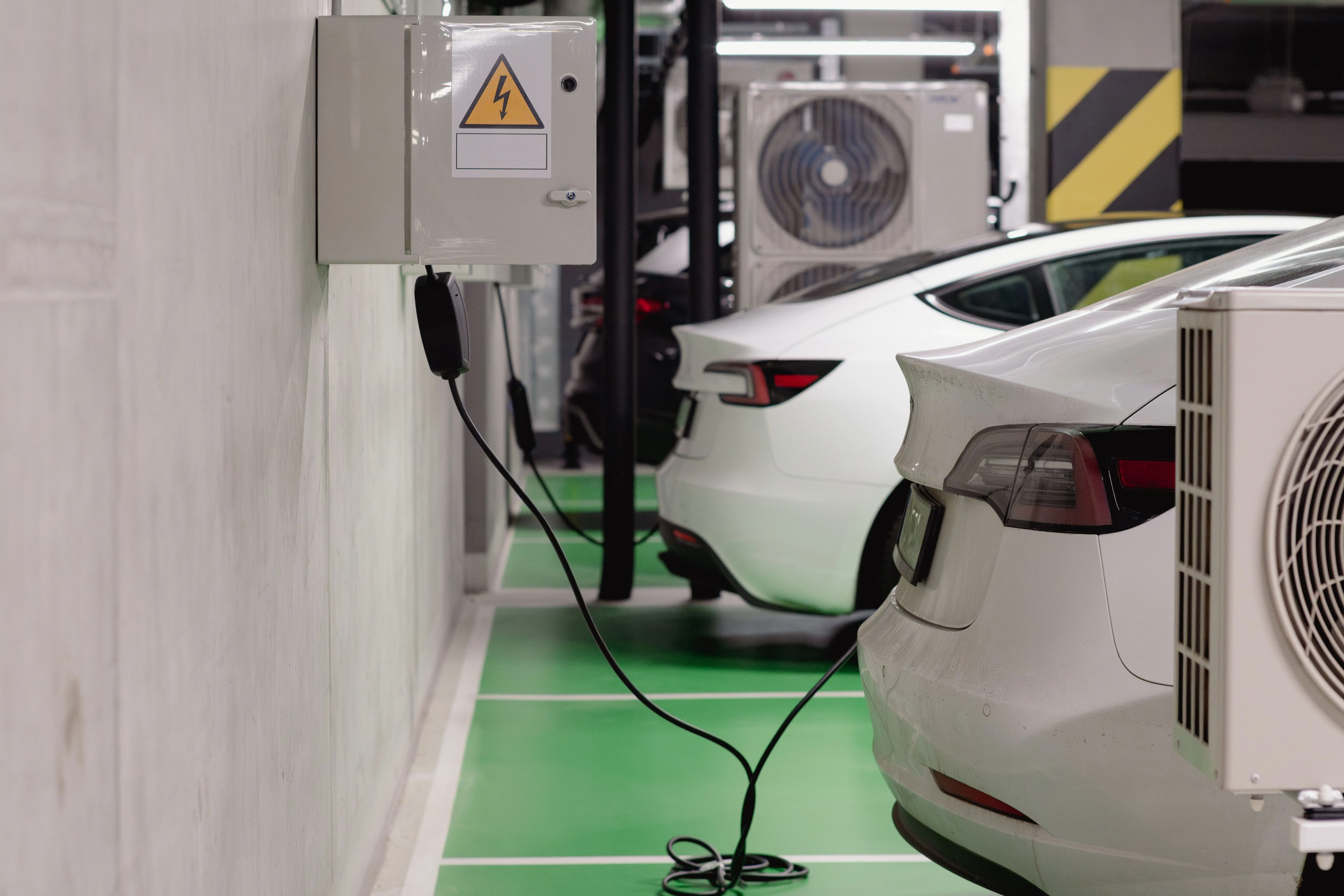
Electric vehicle (EV) infrastructure in North America demands new locations, and brownfield redevelopment offers a practical solution. These contaminated former industrial properties often sit in strategic areas with existing utility access. Converting them into EV charging hubs addresses environmental cleanup while supporting the shift to cleaner transportation.
A brownfield site refers to any property where previous industrial or commercial activity has left behind contamination. The United States has an estimated 450,000 brownfields, yet only about 7% have been assessed. The EPA has cleaned up an even smaller portion with EPA funding. This gap creates an opportunity for developers willing to take on remediation work.
Former fleet yards and fuel depots occupy valuable real estate near highways and urban centers. Many already have electrical infrastructure and road access that would cost millions to replicate elsewhere. Rather than building EV charging stations on undeveloped land, converting these sites puts contaminated properties back into productive use.
Former industrial sites often harbor serious environmental hazards that need attention before any redevelopment can begin. Fleet maintenance facilities and fuel storage areas typically contain benzene, toluene, ethylbenzene and xylene (BTEX) compounds. Because these substances are both carcinogenic and highly mobile in soil and groundwater, they create significant liability concerns for property owners while persisting in the environment for years.
Remediation requires specialized expertise to assess contamination levels and implement appropriate cleanup strategies. The process can involve soil excavation, groundwater treatment and ongoing monitoring. While this adds up-front costs to any project, it eliminates long-term legal exposure and makes the land safe for public use.
Brownfield redevelopment has historically faced economic barriers. When cleanup costs are combined with uncertain liability, these properties become less attractive than greenfield sites, though recent policy changes are shifting this calculus.
The Inflation Reduction Act introduced a 10% additional tax credit for clean energy developments on certain contaminated lands. By offsetting remediation expenses, this incentive can make these projects more attainable. Developers also benefit from existing infrastructure that reduces construction timelines and utility connection fees. The combination of tax advantages and lower development costs improves project returns while addressing community environmental concerns.
Converting a brownfield into an EV hub requires more than environmental cleanup and electrical capacity. The design must consider how drivers actually use charging infrastructure. Public perception plays a major role in adoption. Research shows that 43% of people express concerns about charging-station safety, with 40% wanting them in well-lit, accessible locations.
Driver behavior also shapes what the network needs to deliver. Studies indicate that up to 75% of EV owners can meet their daily charging needs at home or work. Public hubs on redeveloped brownfield sites serve a different purpose. These locations work best for long-distance travel and rapid charging rather than routine daily top-ups. Successful projects position stations near highway exits and commercial districts where drivers already stop during trips.
When developers convert contaminated sites into EV charging hubs, they can address environmental challenges on two fronts. Brownfield redevelopment transforms neglected properties into community assets while expanding the network needed for transportation electrification. This strategic move can heal past environmental damage and build the foundation for cleaner mobility.